A furnace smells like burning most commonly due to dust accumulation burning off the heating elements during the first use of the season. While this usually dissipates within thirty minutes, persistent odors resembling plastic or rubber may indicate electrical faults, damaged wiring, or an overheating motor that requires professional attention. If your furnace smells like burning for an extended period, you should shut it off immediately to prevent potential fire hazards.
When the first cold snap hits Fillmore and you switch on your heating system for the season, the sudden scent of something burning can be deeply unsettling. For many homeowners in Millard County, this odor triggers an immediate sense of concern about their family’s safety and the integrity of their HVAC equipment. While some smells are merely the result of harmless dust accumulation on heating coils, others signal critical component failures or dangerous gas leaks that require professional intervention. At Gobes HVAC, we believe that an informed homeowner is a safe homeowner. In this guide, we will decode the most common furnace odors, ranging from the typical scent of burning dust to the urgent warning signs of melting plastic or sulfur. You will learn how to identify these distinct smells, understand the underlying mechanical causes, and determine exactly when it is time to call for expert repair services.
Decoding Mysterious HVAC Odors in Millard County
When the first frost settles over the Pahvant Range and temperatures in Fillmore drop, most homeowners reach for the thermostat without a second thought. However, that initial rush of warm air often brings a distinct scent. If you notice your furnace smells like burning during the first cold snap, you are not alone. Our team at Gobes HVAC receives an influx of calls every autumn from residents concerned about these mysterious odors during the seasonal transition.
It is vital to distinguish between routine operational smells and genuine safety hazards. A faint, short-lived scent is often a byproduct of the system waking up after months of dormancy. In contrast, sharp, pungent, or persistent odors can signal mechanical failure, aging components, or electrical issues. While many scenarios are harmless, others require immediate professional intervention to mitigate risks like house fires or gas exposure. Our heating and air conditioning services focus on identifying these risks before they become emergencies. Understanding these sensory cues is the first step in maintaining a safe, comfortable home. If you encounter a scent that feels high-risk or simply out of the ordinary, you should contact Gobes HVAC for a diagnostic inspection to ensure your system is operating within code-compliant safety margins.
The Most Common Cause: Why Your Furnace Smells Like Burning Dust

The most frequent reason a furnace smells like burning at the start of the season is simple accumulation. Throughout the spring and summer, your HVAC system remains largely dormant or runs only in cooling mode. During this time, household dust, pet dander, and fine debris settle inside the furnace cabinet, specifically on the heat exchanger or the electric heat strips. When you finally engage the heating cycle for the first time in winter, these components reach temperatures sufficient to incinerate that settled material.
If you are wondering how long does it take for a furnace to burn off dust, the answer is typically 20 to 30 minutes. As the furnace reaches its operating temperature and the blower circulates air through your home, the scent should gradually fade. This is a normal part of the system's seasonal awakening and generally does not indicate a mechanical failure. Opening a window slightly during this first cycle can help clear the air faster and reduce the irritation caused by the particulates.
However, homeowners should monitor the duration and frequency of the odor closely. If the singed smell persists for more than an hour, or if the scent returns every time the furnace kicks on throughout the day, the issue is no longer just settled dust. A persistent smell often points to a heavily soiled air filter, a restricted return air vent, or an overheating component that requires a professional diagnostic. In these cases, scheduling reliable maintenance is essential to prevent the system from tripping a limit switch or suffering sustained damage. If the odor is accompanied by any visible smoke or a hazy appearance in the air, you should immediately contact Gobes HVAC for an emergency inspection to ensure your Fillmore home remains safe.
Critical Warning: Furnace Smells Like Burning Plastic or Rubber
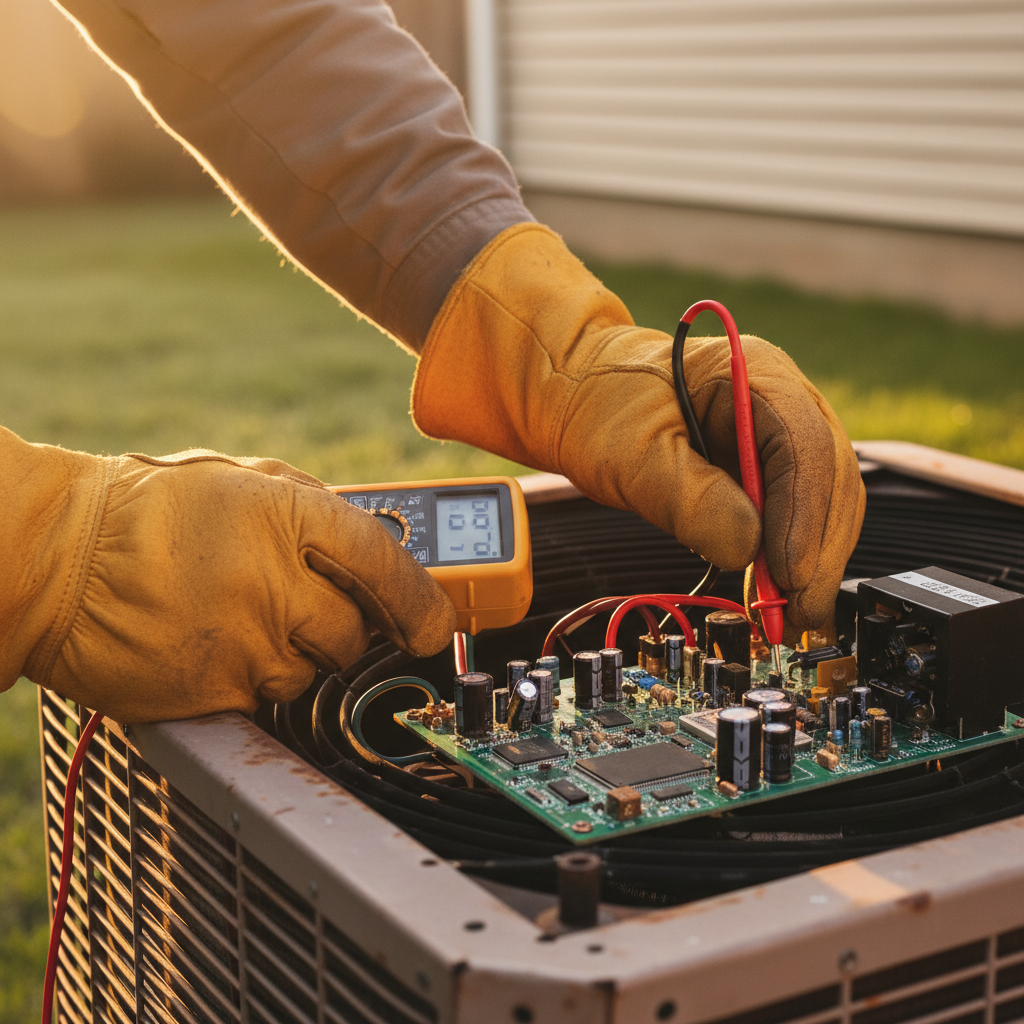
While the scent of burning dust is common and temporary, a sharp, acrid odor resembling burning plastic or vulcanized rubber is a critical warning sign. This smell is distinctly chemical and much more pungent than the singed, organic scent of dust. In most cases, it indicates a significant electrical malfunction within your heating system that requires immediate attention.
Inside your furnace, a blower motor uses bearings that can seize over time. When these bearings fail, the motor draws excessive current, causing it to overheat and melt its own internal components or plastic housing. Alternatively, high-voltage wires may have loose connections that create electrical resistance, leading to heat buildup that melts the plastic insulation surrounding the copper. In many older Fillmore residences, aging electrical systems may not interact perfectly with modern furnace components, increasing the risk of these faults as wiring reaches the end of its intended lifespan.
If you notice your furnace smells like burning plastic, immediate action is required to prevent a potential house fire. Do not wait for the heating cycle to finish. You should immediately turn the system off at the thermostat and then locate your electrical panel to flip the dedicated furnace circuit breaker to the off position. Cutting power at the source ensures that even if a component has shorted, it will no longer receive the current necessary to ignite nearby materials.
Once the power is disconnected, do not attempt to troubleshoot the internal wiring yourself. This level of failure requires reliable maintenance and a thorough diagnostic to identify exactly which component failed. You should contact Gobes HVAC to have a technician inspect the blower motor, capacitors, and terminal strips. Our team uses modern diagnostic tools to ensure every repair meets current code-compliant safety standards before restoring power to your system.
Rotten Egg or Sulfur Odor: The Natural Gas Emergency
While electrical smells are serious, a sulfur or rotten egg smell furnace gas leak represents an immediate life-safety hazard. Natural gas is inherently odorless and colorless, which would make leaks impossible to detect without help. To solve this, utility companies add a chemical called mercaptan, which produces that unmistakable, pungent odor.
If you smell sulfur near your furnace or vents, you must follow a strict emergency protocol. Do not flip light switches, do not use your phone inside the home, and do not attempt to turn off the furnace at the thermostat. Any of these actions can create a small electrical spark that could ignite the gas. Instead, evacuate all occupants and pets from the premises immediately.
Once you are at a safe distance from the property, call your gas utility company and contact Gobes HVAC. This is never a "wait and see" situation. Our team provides heating and air conditioning services that include pressure testing and leak detection to ensure your gas lines and furnace valves are secure. We prioritize these calls to prevent fire or explosion risks in the Fillmore community. Do not re-enter the home until a professional confirms the environment is safe and the source of the leak has been repaired to code-compliant standards.
Musty and Dirty Sock Smells: Mold in the Ductwork
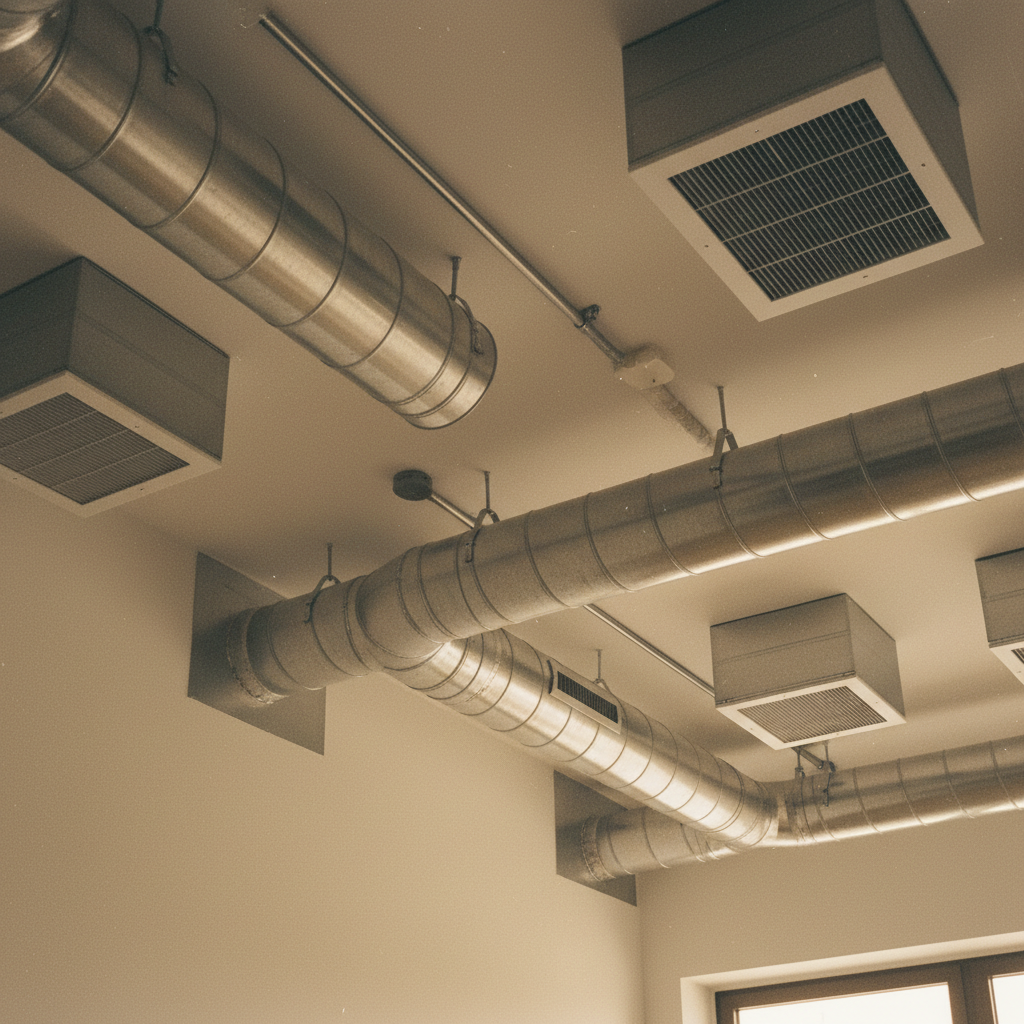
While gas leaks represent an immediate safety crisis, a damp or dirty sock odor suggests a lingering biological problem within your ventilation system. During the cooling season, your air conditioner’s evaporator coil removes significant amounts of moisture from the air. If the condensate drain line becomes clogged or if the system suffers from poor drainage, stagnant water pools inside the dark, enclosed spaces of your HVAC unit. This environment promotes the growth of mold and mildew on the coils and within the nearby ductwork.
When you transition to heating, the warm air passing over these contaminated surfaces releases microbial spores throughout your Fillmore home. This issue significantly degrades indoor air quality and can lead to persistent respiratory irritation. A musty scent that lingers is a clear indicator that your system requires reliable maintenance to clear the drain lines and sanitize the evaporator section. In many cases, professional duct cleaning is necessary to remove organic buildup that has settled in the branch lines. Beyond air quality, addressing these biological odors is vital for energy efficiency. Clean coils allow for better heat transfer, ensuring your system does not have to work overtime to reach your desired temperature. If the air coming from your vents smells sour or damp, rather than the short-lived way a furnace smells like burning dust at startup, you should contact Gobes HVAC for a thorough system hygiene inspection.
Chemical or Metallic Odors: Refrigerant Leaks and Cracked Heat Exchangers
While musty smells point to biological growth, a distinct chemical or sweet scent often indicates a refrigerant leak. Although your furnace uses gas or electricity to generate heat, the indoor evaporator coil contains refrigerant for the cooling side of your HVAC system. A leak in these coils can emit a faint, ether-like odor that persists even when the system is not in cooling mode. More concerning, however, is a sharp, metallic, or formaldehyde-like scent. This odor often signals a cracked heat exchanger, which occurs when the metal component responsible for transferring heat from the combustion chamber to your air supply becomes compromised.
A cracked heat exchanger is one of the most critical signs of a failing furnace. The primary danger is not the smell itself, but the risk of carbon monoxide (CO) poisoning. When the heat exchanger is damaged, combustion byproducts that should be vented outside can leak into your home. Because carbon monoxide is typically odorless, the faint metallic or chemical scent may be your only physical warning. Even if your furnace smells like burning only intermittently, you should never ignore these industrial odors. At Gobes HVAC, our heating and air conditioning services include combustion analysis and pressure testing to identify these leaks. If you notice these specific scents, you should immediately contact Gobes HVAC for an inspection. Investing in reliable maintenance ensures that small cracks are caught before they lead to life-threatening CO exposure in your Fillmore residence.
Maintenance Steps to Eliminate Odors at Home

Before requesting a service call, perform a thorough check of your air filter. A clogged or heavily soiled filter is a primary culprit for odors; it restricts airflow, forcing the blower motor to work harder and run hotter than intended. This excessive heat can create a distinct singed scent as the system struggles to breathe. If you notice a burning smell after changing filter, verify that the new unit is installed in the correct direction and has a MERV rating compatible with your furnace. Using a filter that is too restrictive can mimic the effects of a dirty one by choking the system and causing components to overheat.
Next, inspect every vent and floor register in your home for localized obstructions. In many Fillmore households, small items like plastic toys, stray socks, or pet hair can fall into the ductwork and rest against the hot metal, leading to a localized scorching odor. If clearing these obstructions and replacing the filter does not eliminate the scent, you likely need reliable maintenance to inspect the internal components. For expert heating and air conditioning services and a full system diagnostic, contact Gobes HVAC to ensure your equipment is operating within safe temperature limits.
A burning smell from your furnace often points to simple dust buildup or more serious electrical issues that require immediate attention. Understanding these signs helps you maintain a safe and comfortable home during the colder months in Fillmore. If you want expert help diagnosing a strange odor or ensuring your system is running efficiently, we are here to support you. You can learn more about our team and how we serve our local community. Keeping your family warm should always be a stress-free experience.