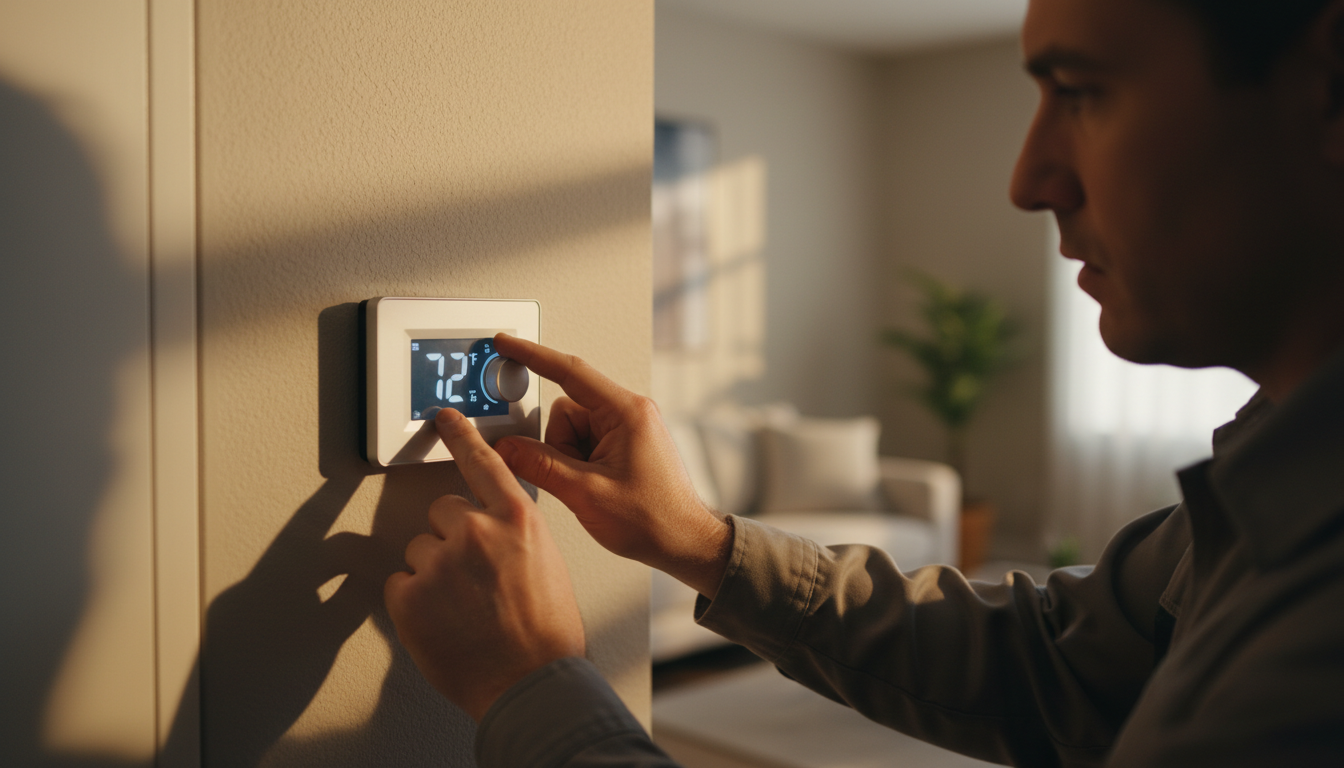
The recommended thermostat settings for summer and winter are 78°F during the hotter months and 68°F during the colder months to maximize energy efficiency. Homeowners can save approximately three percent on utility bills for every degree the temperature is adjusted while they are away or sleeping.
Living in Fillmore requires navigating the extreme temperature swings of Millard County, where scorching summers and biting winters often lead to staggering energy bills. Many homeowners struggle to find the precise balance between maintaining indoor comfort and controlling utility costs, resulting in a constant, frustrating cycle of manual adjustments. At Gobes HVAC, we understand that optimizing your system is about more than just a number on the wall; it is about maximizing efficiency without sacrificing your quality of life. This guide will provide specific, seasonal recommendations to help you master your thermostat settings throughout the year. We will explore optimal temperatures for peak hours, strategies for when you are away from home, and the long term benefits of smart technology. By the end, you will have a clear roadmap to lower bills and a more comfortable home.
Managing Energy Costs in the Millard County Climate
Residents of Fillmore understand that Millard County presents a unique set of HVAC challenges. Our high desert environment brings scorching summer afternoons and winter nights that regularly drop below freezing. These local extremes place significant pressure on your equipment. According to the U.S. Energy Information Administration, heating and cooling account for over 50 percent of the average home's energy costs. In Utah, where mountain air and low humidity define our seasons, generic national advice often falls short.
Achieving efficiency here requires a strategy tailored to our specific climate. The dry heat in our region allows for different comfort levels than humid coastal areas, meaning your recommended thermostat settings for summer and winter should reflect local conditions. At Gobes HVAC, we provide reliable heating and air conditioning services to help homeowners navigate these seasonal shifts effectively.
The goal of this guide is to move beyond guesswork. By finding the precise balance between personal comfort and utility savings, you can extend the lifespan of your system while keeping monthly expenses under control. Understanding how to manage your home's temperature is the first step toward long term reliability and lower bills in the high desert.
Optimal Summer Thermostat Settings for Energy Savings
For most Fillmore residents, the ideal target during the heat of the day is 78 degrees Fahrenheit while you are at home. This number might seem high if you are accustomed to keeping the house in the low 70s, but the financial impact of this adjustment is significant. We often point clients toward the 3 percent rule: for every degree you set the thermostat above 72 degrees, you can save up to 3 percent on your cooling costs. By moving your baseline from 72 to 78, you could potentially see an 18 percent reduction in your energy consumption.
A common question we receive is whether 72 degrees is too low or if 77 degrees represents a better balance. While 72 degrees is a standard comfort setting for many, it forces your condenser to run much longer cycles in the Utah heat. In Millard County, our dry desert air makes 78 degrees feel significantly more comfortable than it would in a humid climate. Because moisture evaporates quickly from the skin in our region, a setting of 77 or 78 degrees paired with proper airflow is often perfectly adequate for indoor comfort.
When the home is unoccupied for more than four hours, the strategy should shift. Rather than leaving the unit at your occupied temperature, we recommend setting the thermostat to 85 or 88 degrees. This range keeps the indoor temperature manageable so the system does not have to work overtime to recover when you return, but it avoids the waste of cooling an empty house. To ensure your HVAC system can reach these recommended thermostat settings for summer and winter efficiently, you should schedule routine maintenance to check refrigerant levels and coil cleanliness. A system struggling with dirty components will use more energy to reach 78 degrees than a well-maintained system uses to reach 75.
Best Thermostat Temperature for Summer Nights and Vacations
Maintaining comfort during the night requires a slight shift in strategy compared to daytime hours. While 78 degrees is the benchmark for activity, a common thermostat setting for summer nights ranges between 72 and 75 degrees to facilitate better sleep. You can achieve this level of comfort without dropping the temperature quite so low by utilizing ceiling fans. In the dry Fillmore air, a fan can make 78 degrees feel closer to 74 degrees, allowing the compressor to cycle less frequently while you rest.
For extended periods away from home, managing your vacation thermostat settings summer is essential for both efficiency and equipment health. It is never advisable to shut the system down completely. Doing so allows the building materials and furniture to absorb significant heat, which then forces the AC to run under extreme stress to recover upon your return. Setting the thermostat to 85 degrees provides the best balance. This keeps the home at a manageable baseline, protecting your belongings and preventing the indoor air from becoming stagnant or excessively hot. Adhering to these recommended thermostat settings for summer and winter ensures your system remains reliable throughout the year and avoids unnecessary strain on its mechanical components.
Winter Thermostat Recommendations for Utah Homeowners

As winter settles into Fillmore, the focus shifts from managing heat to retaining it. For the hours you are home and active, 68 degrees Fahrenheit is the optimal target. This temperature keeps the indoor environment warm enough to prevent discomfort while significantly reducing the load on your furnace or heat pump. When you are sleeping or away from the house for the day, we recommend a setback of 8 to 10 degrees, aiming for a range of 60 to 62 degrees. According to Department of Energy data, utilizing this setback for eight hours a day can reduce your annual heating costs by approximately 10 percent.
Fillmore homeowners using heat pump systems must approach these setbacks with more caution than those with traditional gas furnaces. Aggressive setbacks can be counterproductive if the system struggles to recover. If you raise the temperature by more than two or three degrees at once, the thermostat may trigger the auxiliary or backup heating elements. These electric heat strips consume significantly more energy than the heat pump's compressor, potentially erasing your savings. To maintain recommended thermostat settings for summer and winter without inflating your bill, use a gradual warm-up strategy or a smart thermostat designed specifically for heat pump logic.
Ensuring your system is calibrated to handle these seasonal shifts is a core part of our reliable heating and air conditioning services. If the system takes an unusual amount of time to reach 68 degrees, it may indicate an underlying performance issue or a drafty envelope. You should schedule routine maintenance to ensure the heat exchanger or outdoor coils are clean and functioning before the peak of the winter season hits Millard County.
Is it Better to Leave the AC on All Day or Turn it Off
A common debate among Millard County homeowners is whether it is more efficient to turn the air conditioner off entirely when leaving the house or to keep it running at a steady temperature. While it might seem intuitive to save energy by shutting down the system, modern central air units in Utah perform best when using a consistent setback strategy. Turning the unit completely off allows the thermal mass of your home, including walls, flooring, and furniture, to absorb significant heat throughout the day.
Once you return and switch the AC back on, the system must work under extreme load to remove heat not just from the air, but from every solid object in the house. This recovery process often takes hours of continuous operation, which places unnecessary stress on the compressor and can lead to premature wear. By adhering to recommended thermostat settings for summer and winter that utilize a 5 to 8 degree setback, you maintain a manageable baseline. This approach prevents the interior environment from reaching extreme temperatures, allowing the equipment to cool the space quickly and efficiently upon your return.
For homeowners seeking reliable heating and air conditioning services, understanding this balance is key to protecting your investment. A system that is constantly forced to recover from high heat spikes will likely require more frequent repairs. If you notice your unit struggling to bring the temperature down even after a modest setback, it is time to schedule routine maintenance to ensure the system is physically capable of handling the load. Keeping the system engaged at a higher setting rather than turning it off is the most practical way to ensure longevity and consistent comfort.
Smart Thermostat Strategies for Year Round Efficiency
Relying on memory to adjust your HVAC system often leads to missed savings. Smart and programmable thermostats eliminate the risk of human error by automating the shifts between occupied and away modes. For a typical family in Fillmore, a high-efficiency schedule might look like the following:
Time Period | Winter Target | Summer Target |
|---|---|---|
Morning (6:00 AM) | 68°F | 78°F |
Away (8:30 AM) | 60°F | 85°F |
Home (5:00 PM) | 68°F | 78°F |
Sleep (10:00 PM) | 62°F | 75°F |
Advanced smart units go a step further by monitoring Millard County weather patterns. If a sudden high desert cold front drops temperatures faster than expected, the system can preheat the home gradually. Upgrading from a manual dial to a smart interface is one of the fastest ways to see a return on investment through reduced utility bills. If you are ready to modernize your home, our team provides reliable heating and air conditioning services to install and calibrate these devices. Integrating technology ensures you stick to the recommended thermostat settings for summer and winter without constant manual adjustments.
Beyond the Thermostat: Maximizing Your HVAC Efficiency
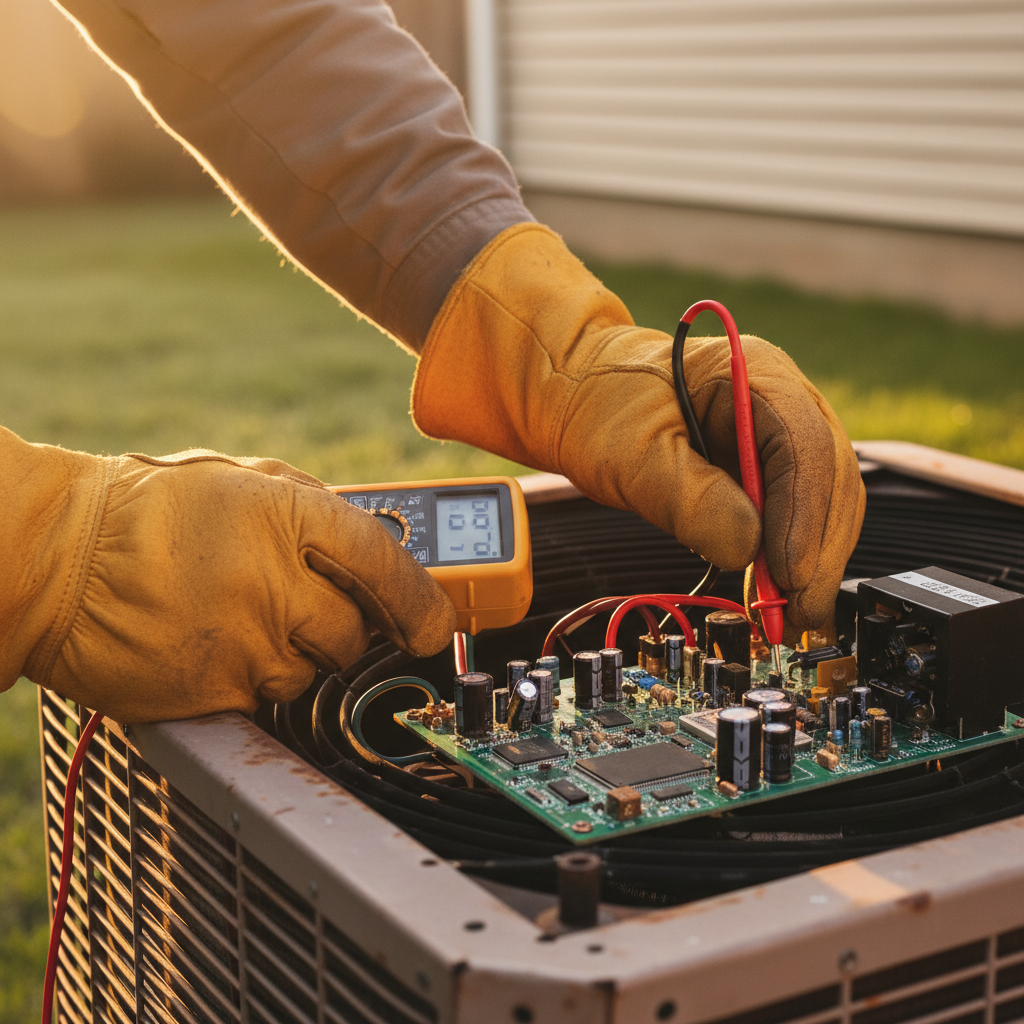
Optimizing your temperature settings only works if the mechanical components can keep up. In our dusty high desert climate, changing air filters monthly is vital to prevent restricted airflow and blower motor strain. You should also ensure ductwork is properly sealed, as leaks in unconditioned spaces can waste significant energy.
To reach the full efficiency of the recommended thermostat settings for summer and winter, you must schedule routine maintenance annually. Our reliable heating and air conditioning services include cleaning coils and checking electrical connections. Without regular professional care, a system will run longer cycles and consume more power, regardless of the number on your dial. Proper upkeep ensures your equipment reaches its full expected lifespan while maintaining the comfort levels you have programmed.