You can improve indoor air quality at home by changing HVAC air filters every 30 to 90 days and ensuring unobstructed airflow through regular system maintenance. Utilizing high quality filters with appropriate MERV ratings and maintaining proper ventilation via extractor fans helps effectively remove indoor pollutants.
Many homeowners in Fillmore assume their four walls provide a sanctuary from outdoor pollutants, yet the air circulating through your vents can often be more contaminated than the atmosphere outside. If you notice persistent dust, lingering odors, or seasonal allergy symptoms that never seem to subside, your HVAC system is likely struggling to manage particulate matter. Maintaining high indoor air quality is not merely a matter of comfort; it is a critical component of your family's respiratory health and the long term efficiency of your mechanical systems. In this guide, we will explore practical strategies to optimize your home environment. You will learn how to select the correct air filtration levels, identify warning signs of poor circulation, and evaluate advanced technological upgrades like UV purifiers. We will also outline the essential maintenance routines required to keep your air clean year round.
Why Indoor Air Quality Matters for Fillmore Homeowners
Research from the EPA indicates that indoor air is often two to five times more polluted than the air outside. For homeowners in Fillmore, Utah, this statistic carries significant weight. During our cold winters, we seal our houses tightly to maintain warmth, which inadvertently traps pollutants like dust, pet dander, and cleaning chemicals inside. Additionally, the dry, seasonal winds characteristic of our high-desert climate often force fine particulates into ductwork and living spaces.
Indoor Air Quality (IAQ) is more than just a lack of visible dust. It is a precise balance of temperature control, humidity management, and the filtration of microscopic pollutants. When these elements are out of sync, it can lead to respiratory irritation and reduced comfort. At Gobes HVAC, we view your heating and cooling system as the lungs of your home. It is responsible for circulating, filtering, and conditioning every cubic foot of air you breathe. To effectively improve indoor air quality at home, you must treat your HVAC system as the primary line of defense against stagnant, contaminated air. Investing in reliable heating and cooling services is the first step in ensuring your home breathes as cleanly as possible.
The Foundation: Understanding Your HVAC Air Filter
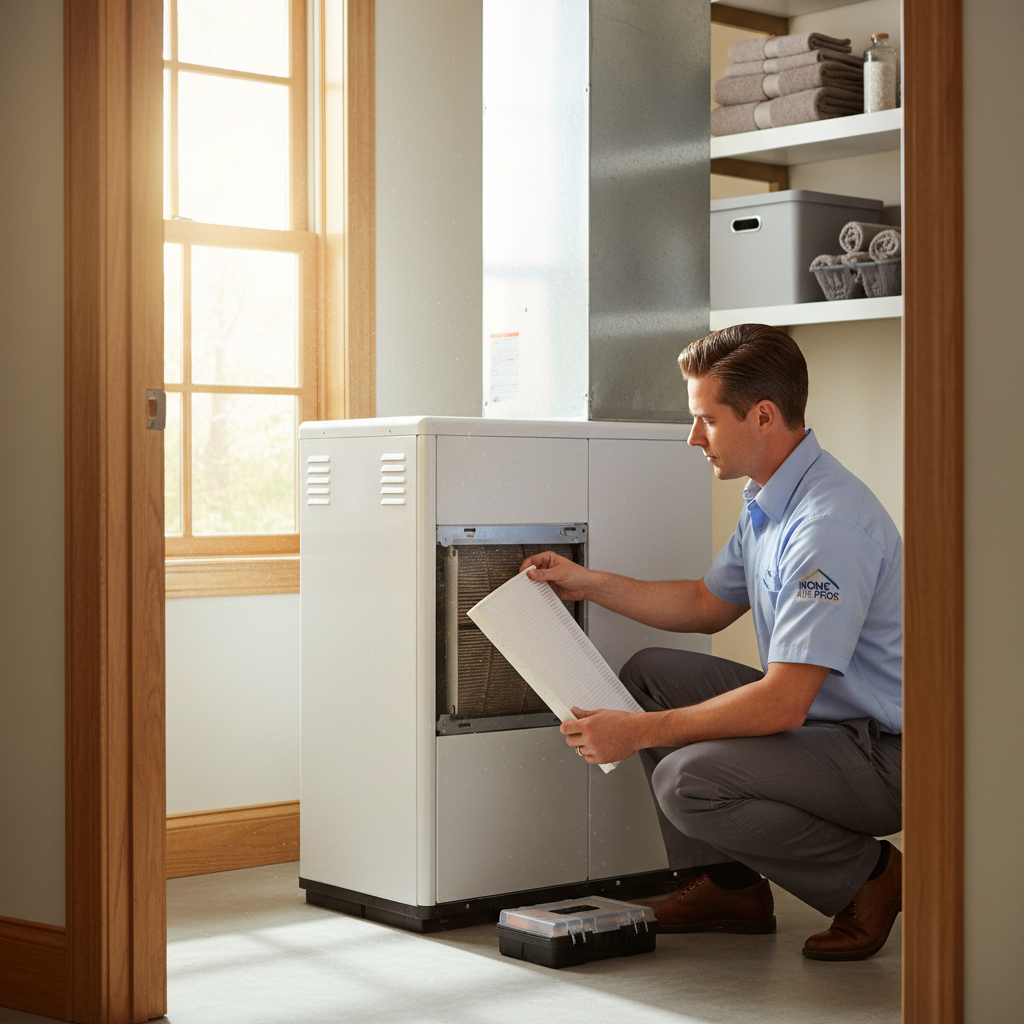
To effectively improve indoor air quality at home, you must start with the air filter. This simple component is the primary barrier preventing contaminants from entering your HVAC equipment and recirculating through your living space. Filters are categorized by their MERV rating, or Minimum Efficiency Reporting Value, which measures their ability to capture particles between 0.3 and 10 microns.
MERV Rating | Filtration Level | Best For |
|---|---|---|
MERV 8 | Standard | Basic dust, lint, and pollen |
MERV 11 | Superior | Pet dander, dust mites, and smoke |
MERV 13 | Hospital-Grade | Bacteria and microscopic allergens |
While a higher MERV rating provides superior filtration, it is not always the best choice for every system. Denser filters create more resistance, meaning your HVAC blower motor must work harder to pull air through the media. If you install a MERV 13 filter in a system designed for a MERV 8, you risk significantly reducing airflow. This restriction can lead to frozen evaporator coils, overheating of the heat exchanger, and premature component failure.
In the arid, dusty environment of Fillmore and the surrounding Millard County area, standard manufacturer timelines often fall short. Even if a filter is rated to last for 90 days, the fine Utah dust can saturate the media much faster than expected. We recommend checking your filter every 30 days. If the surface appears gray or shows a visible layer of debris, replace it immediately to maintain efficiency and protect your equipment.
Matching the right filter to your specific blower capacity is a critical part of scheduled regular maintenance. If you are unsure which MERV rating your system can safely handle without compromising performance, you should contact Gobes HVAC for a professional assessment. Ensuring proper airflow today prevents expensive repairs tomorrow while keeping your air breathable.
Signs Your Indoor Air Quality Needs Attention
Knowing when to improve indoor air quality at home often starts with observing your health and your surroundings. In Fillmore’s high-desert climate, dry skin and itchy eyes are frequent complaints; however, if these symptoms persist even when you are hydrated, your HVAC system might be failing to manage humidity and airborne particulates. You may also notice persistent sneezing or a scratchy throat that only occurs while you are inside, suggesting that allergens are being concentrated rather than removed.
Your home provides physical clues as well. If a gray layer of dust settles on your furniture shortly after cleaning, your system is likely recirculating debris due to a bypass in the filter rack or saturated media. Lingering odors from cooking or pets that hang in the air for hours indicate poor ventilation or dirty ductwork where biological growth can hide. Recognizing these signs early allows you to schedule reliable heating and cooling services to address the root cause, ensuring your equipment effectively purifies your living space.
Seasonal IAQ Challenges: Winter Inversions and Summer Dust
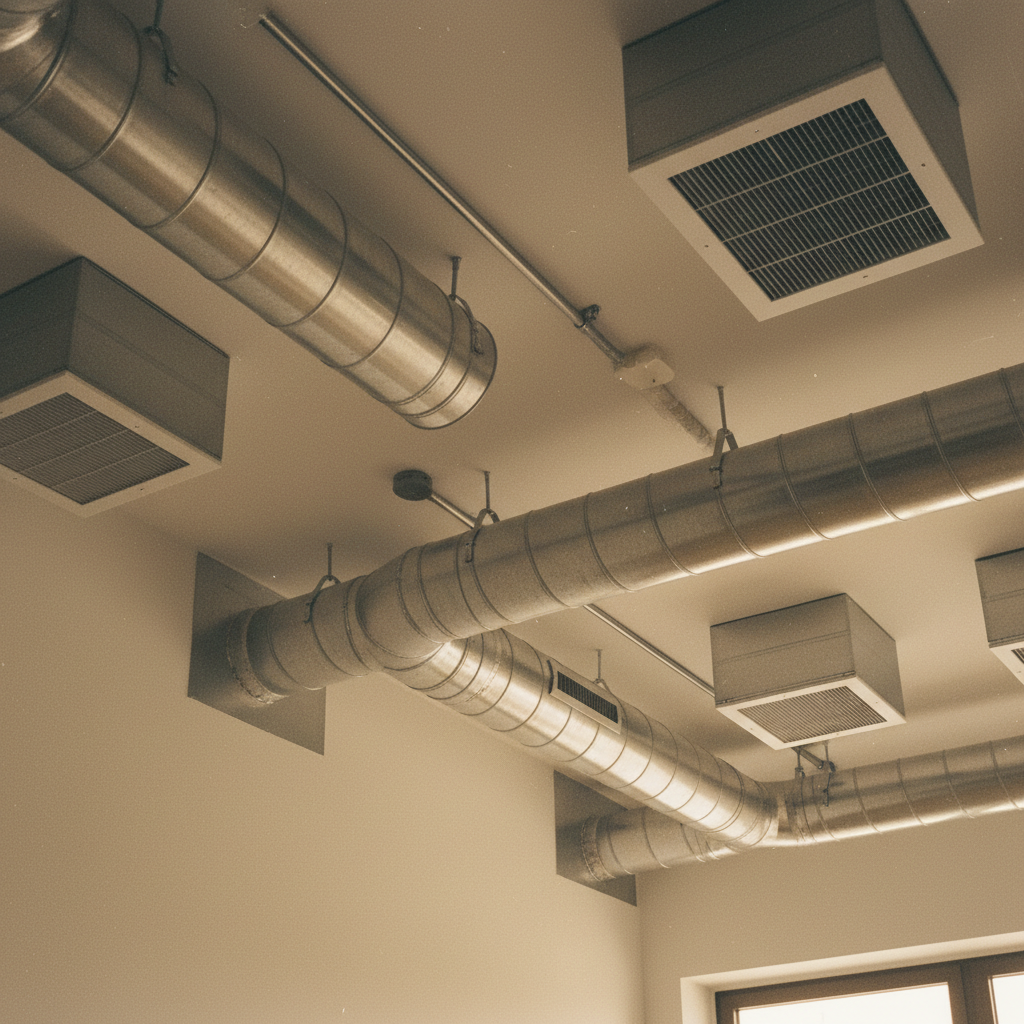
Fillmore experiences distinct environmental shifts that directly impact how you manage your home's air. During our cold winter months, the natural instinct is to seal every gap to lower utility bills. While energy efficient, this creates a stagnant environment where Volatile Organic Compounds (VOCs) from household cleaners and carbon dioxide from occupants reach unhealthy concentrations. Conversely, the summer months bring dry, high desert winds that carry fine particulates and agricultural dust through even the smallest crevices.
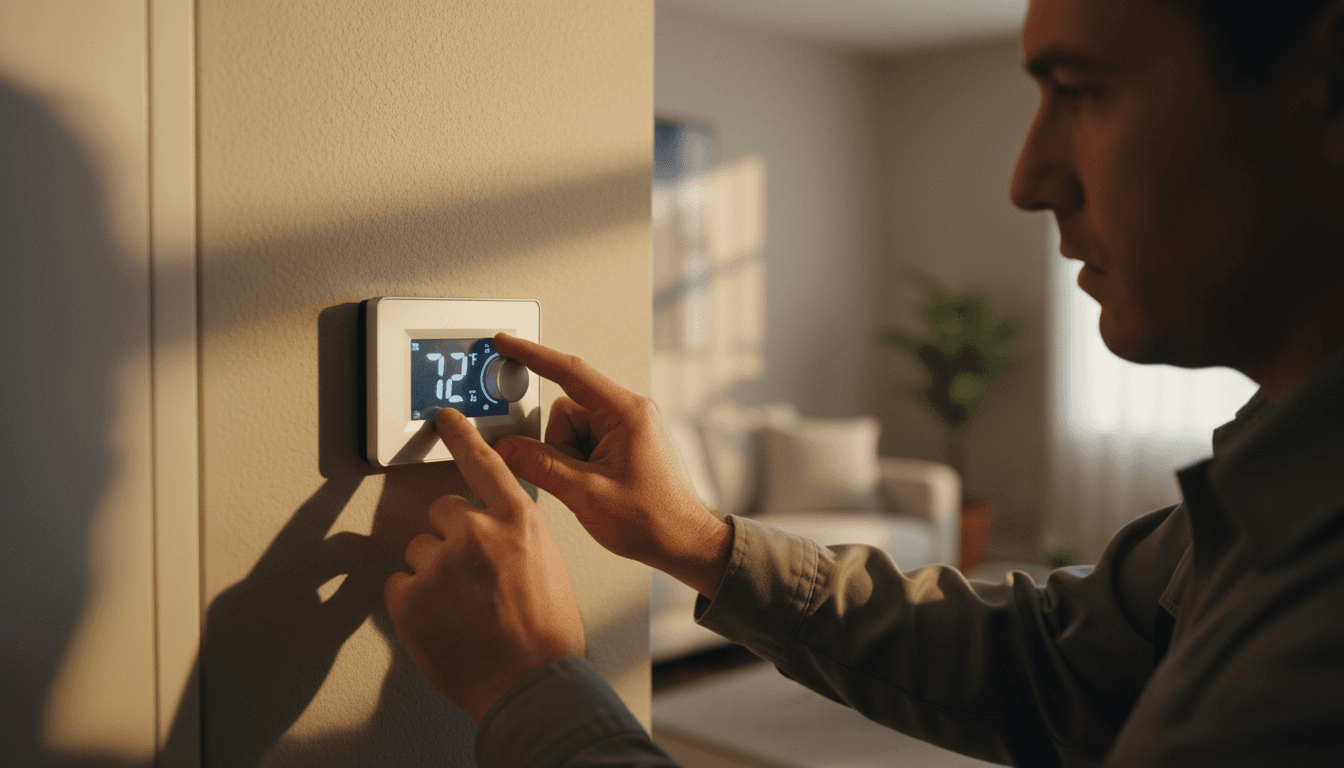
One of the most effective ways to improve indoor air quality at home during these extremes is to utilize your thermostat’s fan setting. Most homeowners leave their fan on Auto, meaning it only runs during a heating or cooling cycle. By switching the fan to On or using a Circulate mode, the HVAC system continues to pull air through the filtration media even when the temperature is stable. This ensures that air is constantly scrubbed of pollutants rather than sitting stagnant in unused rooms.
Season | Primary IAQ Challenge | HVAC Strategy |
|---|---|---|
Winter | Trapped VOCs and CO2 | Consistent circulation via fan On setting |
Summer | Fine Dust and Particulates | High efficiency filtration; avoid window ventilation |
It is important to distinguish this from natural ventilation. While opening windows might seem refreshing, in Fillmore’s climate, it often introduces more allergens and dust than it removes. Relying on reliable heating and cooling services to ensure your system’s blower and ductwork are optimized for constant circulation provides a controlled, filtered environment that natural air simply cannot match.
Advanced Upgrades: What to Add to Your HVAC System
While a high quality filter acts as a physical barrier, certain pollutants and environmental factors require active treatment rather than passive filtration. To significantly improve indoor air quality at home, you can integrate commercial grade technology directly into your existing residential ductwork. These additions treat the entire volume of air in your house every time the blower runs, offering a comprehensive solution that portable, single room units cannot match.
In the Fillmore area, our outdoor humidity levels often drop below 20 percent. This dry air pulls moisture from your skin and respiratory system, leading to irritation and increased susceptibility to illness. A whole home humidifier integrates with your water line and furnace, adding controlled moisture to the airstream. This prevents wood furniture from cracking and keeps your mucous membranes hydrated, which is your body's first defense against viruses.
Microbial growth is another concern that standard filters may not fully address. HVAC coils are naturally damp due to condensation, making them a potential breeding ground for mold and bacteria. UV germicidal lights are installed inside the air handler to shine directly on the coil and drain pan. The ultraviolet radiation disrupts the DNA of microorganisms, neutralizing them before they can be circulated into your living areas.
Upgrade Type | Primary Function | Best For |
|---|---|---|
Whole-Home Humidifier | Adds moisture to dry air | Respiratory comfort and wood protection |
UV Germicidal Lights | Neutralizes biological growth | Mold, bacteria, and coil cleanliness |
iWave / Ionization | Charges microscopic particles | Odors, VOCs, and fine allergens |
For microscopic particulates and odors, electronic air cleaners or iWave technology provide a sophisticated solution. These systems use needle point bi polar ionization to charge particles in the air. This causes dust, pollen, and smoke to clump together, making them large enough for your filter to catch, while also neutralizing pathogens and VOCs. These advanced components require precise installation to ensure they don't interfere with system static pressure. Integrating these tools during scheduled regular maintenance ensures your home stays a sanctuary from Utah's harsh outdoor elements. If you are ready to move beyond basic filtration, you can contact Gobes HVAC to discuss which upgrades fit your specific equipment and ductwork layout.
How to Improve Air Quality Naturally Alongside Your HVAC
Supporting your mechanical systems with simple lifestyle adjustments is a practical way to improve indoor air quality at home. Houseplants such as Spider Plants and Peace Lilies are frequently recommended for their ability to absorb trace toxins like formaldehyde. While they add oxygen and aesthetic value, their capacity is limited; you would need dozens of plants per room to replicate the air scrubbing power of a high quality furnace filter. Think of greenery as a supplementary boost rather than a primary solution.
The most effective natural strategy is source control. Prevent pollutants from entering the living space by leaving shoes at the entryway, which stops the tracking of pesticides and Utah’s fine alkaline dust across your carpets. When updating your home, select low VOC (Volatile Organic Compound) paints and finishes to reduce long term chemical off gassing. Furthermore, utilize your kitchen exhaust fan whenever cooking. This prevents grease and combustion byproducts from entering the general circulation, reducing the workload on your HVAC equipment. If you want to ensure your existing ventilation is properly handling these indoor loads, you can contact Gobes HVAC for a system evaluation.
The Role of Professional Maintenance in IAQ
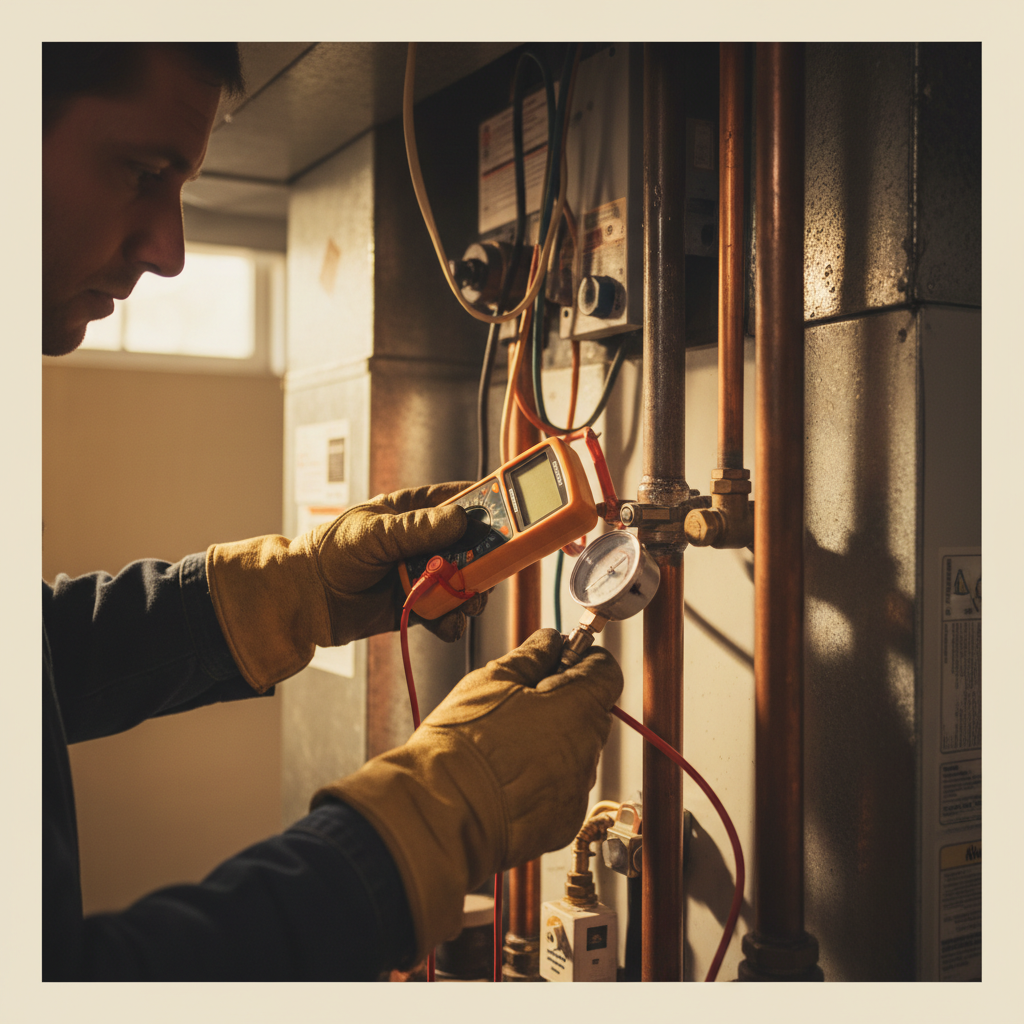
Professional maintenance is the essential final step to improve indoor air quality at home. While homeowners can manage basic filter changes, a deep inspection requires modern diagnostic tools to identify hidden pollutants. A primary focus during a tune up is the condensate drain line. When moisture is removed from the air, it must exit the home safely; if this line clogs, the resulting standing water becomes a breeding ground for mold that the blower motor then distributes through every room.
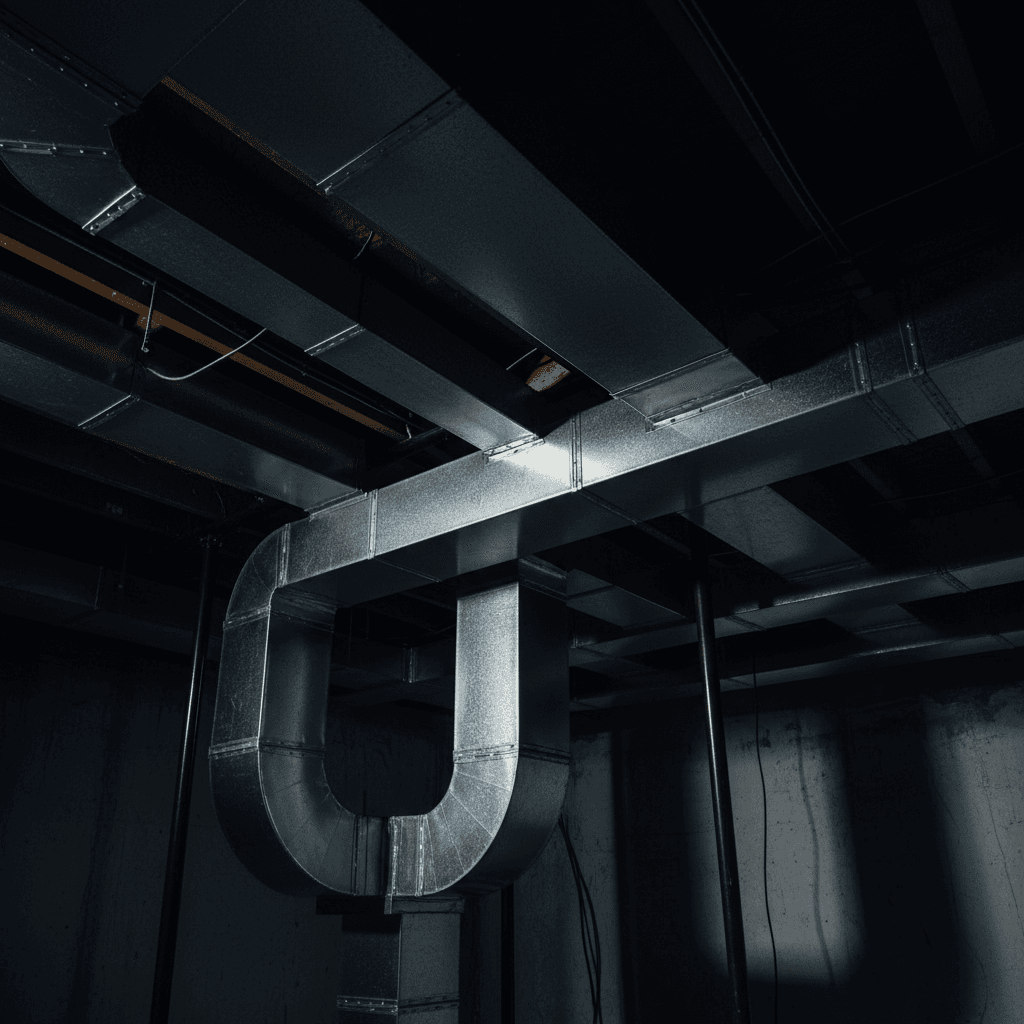
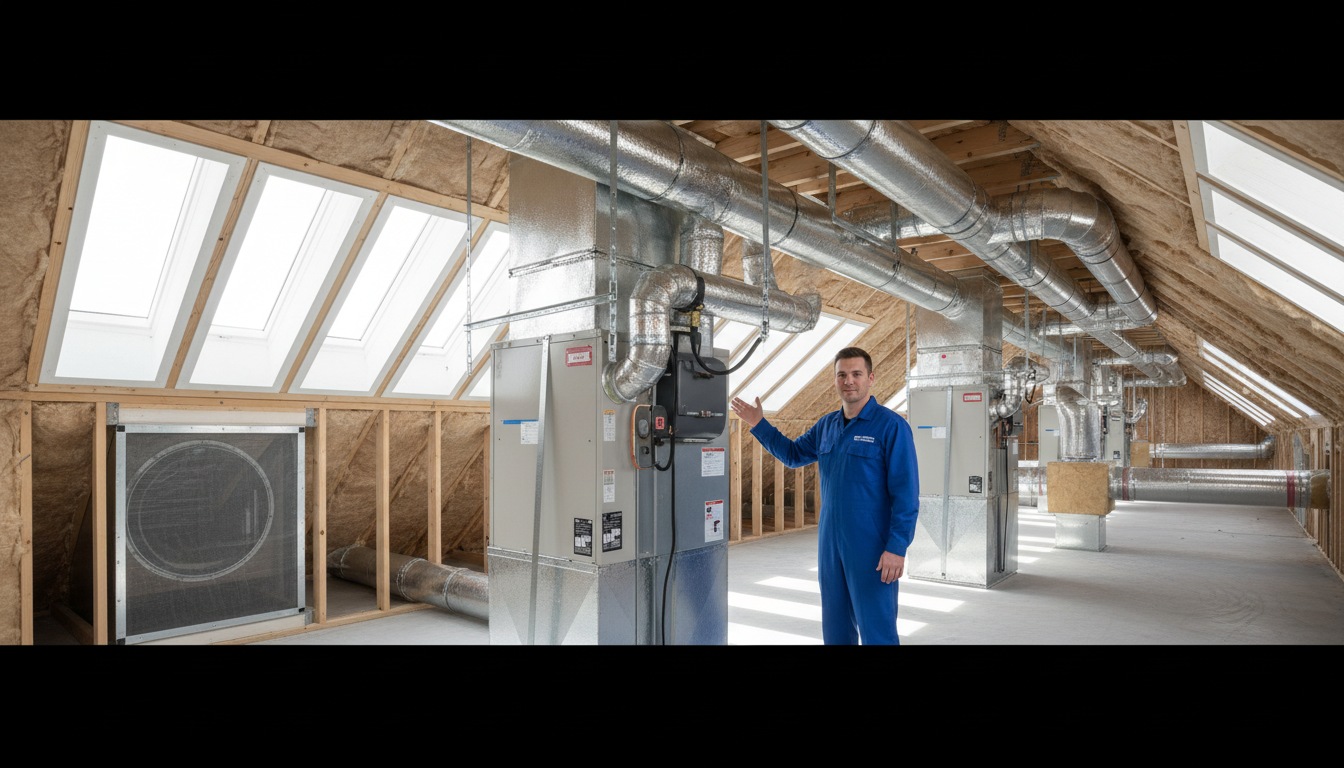
We also conduct rigorous safety checks on the heat exchanger. Hairline cracks in this component can allow carbon monoxide to leak into the living space, a risk that increases as systems age. Furthermore, ensuring ductwork is properly sealed prevents the system from pulling in dust and insulation particles from unconditioned spaces like attics or crawlspaces. This step is particularly important in our high desert environment where fine dust easily penetrates small gaps in the ventilation system.
Homeowners often ask how to make a house smell good through the HVAC system, but a truly clean system should smell neutral. Persistent odors usually indicate biological growth on the evaporator coils or burnt dust that has bypassed a low quality filter. Scheduled regular maintenance targets these specific areas, cleaning the internal components to remove odors at the source rather than masking them. For Fillmore residents, investing in reliable heating and cooling services ensures that your home’s lungs remain free of contaminants and safety hazards.
Maintaining a healthy home environment starts with an efficient HVAC system. By keeping filters clean, managing humidity levels, and scheduling routine maintenance, you can significantly reduce pollutants in your living space. These small steps make a big difference in your daily comfort and overall health. If you want expert help optimizing your system for maximum air purity, we are here to support you. Feel free to explore our full range of HVAC services to see how we can assist with your specific home needs.