An air conditioner freezing up typically results from restricted airflow or low refrigerant levels that cause the evaporator coil to become too cold. Common causes include dirty air filters, blocked return vents, or refrigerant leaks; solving these issues requires clearing obstructions or calling a professional to repair mechanical leaks. Regular maintenance can prevent ice buildup and ensure the system operates at the correct temperature.
Walking into your Fillmore home on a triple-digit afternoon only to find your vents blowing warm air is frustrating, but seeing a layer of frost on your evaporator coils is a genuine cause for concern. A frozen air conditioner is a paradox that often signals a serious underlying issue, such as restricted airflow or a refrigerant leak, rather than a simple glitch. Ignoring these icy buildup signs can quickly lead to permanent compressor failure or significant water damage to your property. In this guide, we will examine the mechanical science behind why your system is icing over during the Utah heat. You will learn how to identify common culprits like clogged filters, understand the risks of low refrigerant levels, and discover the exact steps to safely thaw your unit. Our goal is to help you restore comfort while protecting your HVAC investment from avoidable repairs.
The Science Behind a Frozen AC Unit in the Utah Heat
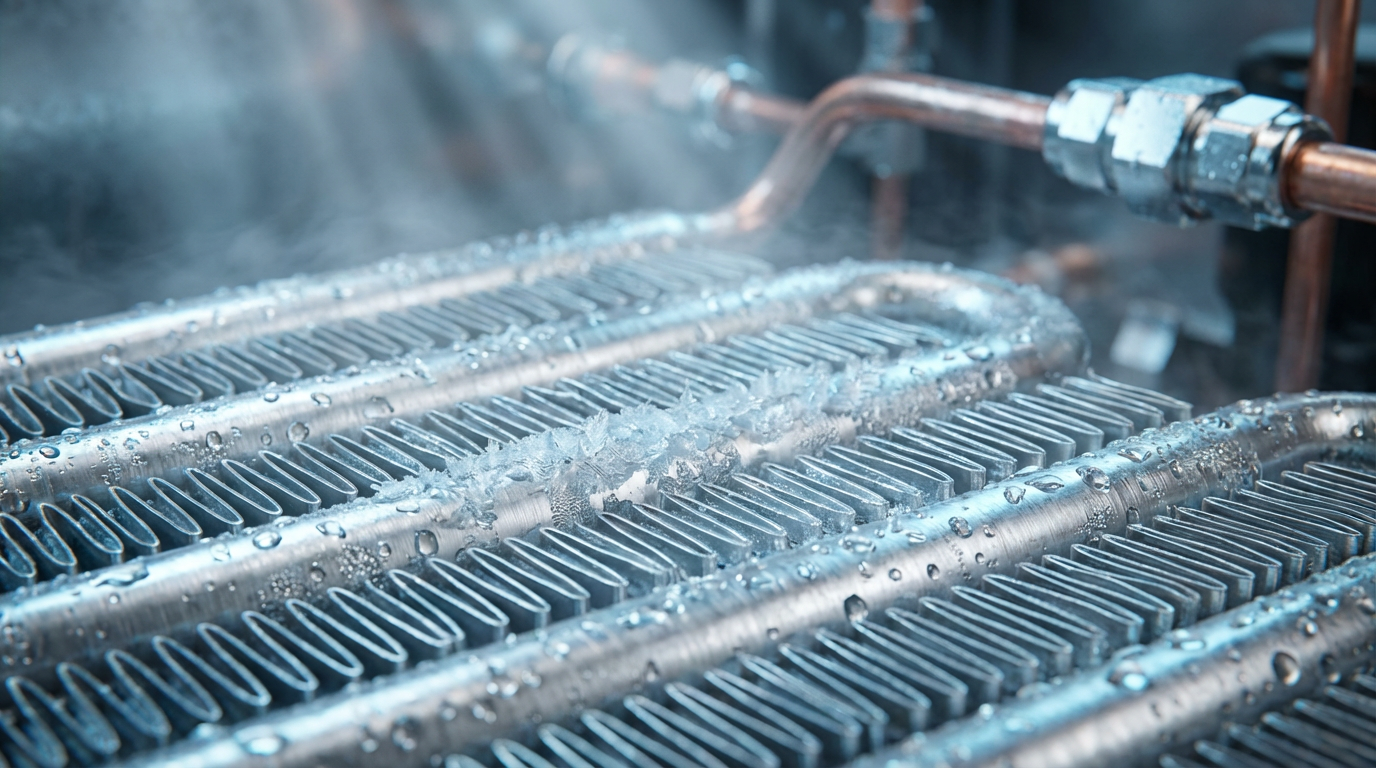
It seems counterintuitive to find a block of ice on your outdoor unit or indoor coil when it is 95 degrees in Fillmore, but the physics of cooling make this a common problem. Your air conditioner does not actually generate cold air; it removes heat from your home. This process occurs at the evaporator coil, where cold refrigerant circulates. Under normal conditions, warm indoor air blows over these coils, the refrigerant absorbs the heat, and moisture from the air condenses on the coil surface and drains away.
If this heat exchange is interrupted, the refrigerant temperature can plummet. When the coil surface drops below 32 degrees, the moisture from your home's humidity instantly turns into ice. Finding your air conditioner freezing up is rarely a sign that the unit is simply broken in the traditional sense. Instead, it is a symptom of a system imbalance. The delicate equilibrium between airflow and refrigerant pressure has been lost. This ice acts as an insulator, further blocking heat absorption and causing the freeze to spread. If you suspect an imbalance, you should schedule a diagnostic repair to identify the root cause before the ice leads to a liquid slugging event in your compressor.
Restricted Airflow: The Most Common Culprit for Frozen Coils
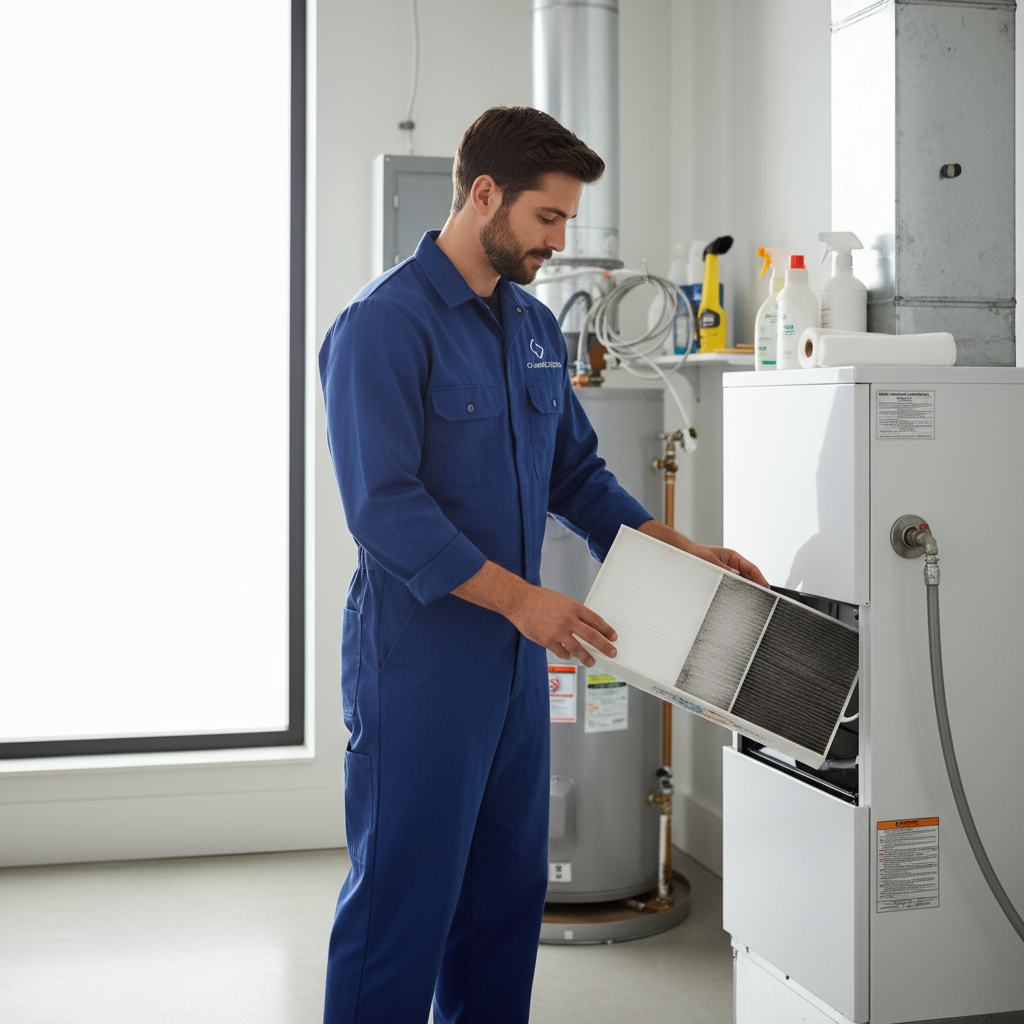
While mechanical failures occur, restricted airflow is the primary driver behind an air conditioner freezing up. For the heat exchange process to work, a constant volume of warm indoor air must pass over the evaporator coils. When this flow is blocked, the refrigerant inside the coils lacks the heat load necessary to stay above the freezing point, leading to rapid ice accumulation.
In Fillmore, local environmental factors often accelerate this process. Our proximity to agricultural fields and the frequent high desert winds mean that dust and fine particulate matter are constantly in the air. These particles settle into your filter much faster than in more urban environments. Local homeowners often find that a standard pleated filter, which might last three months in other climates, becomes completely obstructed in as little as four to six weeks during a windy Millard County summer.
Beyond simple dirt, the filter type itself can be the culprit. Check the Minimum Efficiency Reporting Value (MERV) rating on your filter packaging. While a higher MERV rating provides better air filtration, it also creates more resistance. If your filter is too restrictive, such as a MERV 13 or higher on a system not designed for it, it can choke off the return air and cause the coil to ice over even if the filter is brand new. Keeping your system running smoothly requires balancing air quality with the necessary air volume, a core component of the reliable heating and cooling services we provide to ensure your system operates within its designed pressure parameters.
Why Your AC Freezes Up at Night
Many Fillmore homeowners notice their air conditioner freezing up specifically after sunset. This phenomenon is directly tied to our high desert climate, where daytime temperatures in the 90s can plummet by 30 degrees or more once the sun goes down. When the outdoor air cools, your AC system encounters a lower thermal load. While this sounds beneficial, it means the heat exchange process is less intense. If your system already has a marginal airflow restriction or a slight refrigerant imbalance, the cooling capacity of the evaporator coil begins to outpace the heat it can absorb from your home.
Under these cooler ambient conditions, the coil temperature is more likely to drop below the freezing point. During the heat of the day, the intense indoor heat might keep the coil just above 32 degrees, but the nighttime temperature drop acts as a tipping point. If you wake up to a warm house and a block of ice, it indicates an underlying mechanical issue rather than a simple fluke. You can learn more about Gobes HVAC and how our technicians use precise pressure gauges to calibrate systems for these extreme local temperature swings.
The Low Refrigerant Paradox: How Less Coolant Leads to More Ice
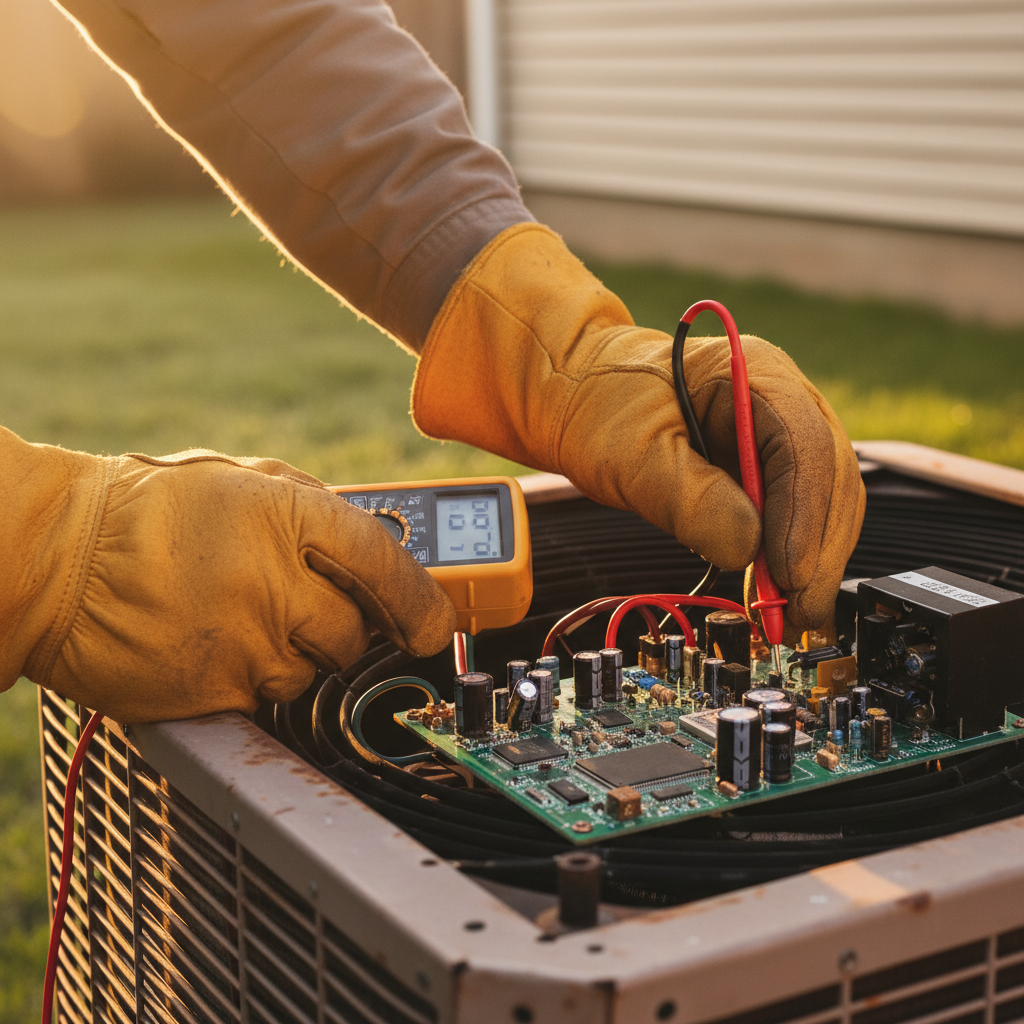
One of the most confusing reasons for an air conditioner freezing up is a low refrigerant charge. It sounds contradictory; common sense suggests that less cooling fluid would result in a warmer system. However, the physics of HVAC operation rely on a precise relationship between pressure and temperature. Under normal conditions, the refrigerant enters your indoor evaporator coil at a pressure that keeps the metal surface at approximately 40 to 45 degrees Fahrenheit, which is cool enough to dehumidify but warm enough to avoid icing.
When the system is low on refrigerant, the pressure within the evaporator coil plummets. This drop in pressure causes the remaining refrigerant to expand much more rapidly than intended. In accordance with thermodynamics, this rapid expansion leads to a significant drop in temperature, often sending the coil surface well below the 32 degree freezing mark. As the humid air from your home passes over this sub-freezing metal, the moisture instantly crystallizes into ice.
It is important to understand that refrigerant does not wear out, evaporate, or get consumed like fuel in a car. Your AC is a hermetically sealed system. If the levels are low, it is the result of a physical leak. Attempting to top off the system without fixing the source of the leak is a temporary and often expensive mistake. Professional technicians use specialized electronic leak detectors or ultrasonic tools to find the breach. Utilizing reliable heating and cooling services ensures the leak is sealed and the system is recharged to manufacturer specifications. If you notice ice forming despite a clean filter, schedule a diagnostic repair to address the underlying pressure imbalance before it stresses the compressor.
Quick Fix for AC Freezing Up: Immediate Steps to Take
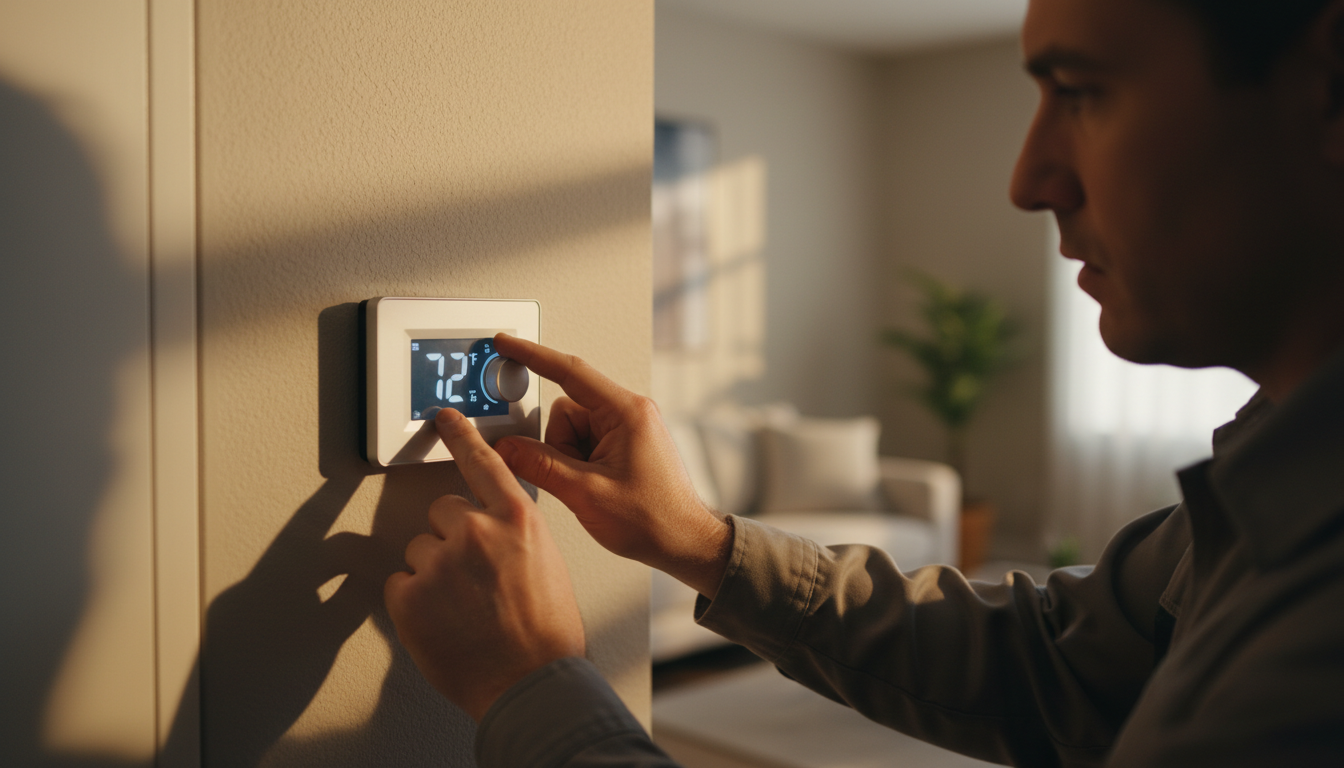
If you discover your air conditioner freezing up, you must act quickly to prevent mechanical strain on your compressor. The first step is to turn the system "Off" at the thermostat. This halts the cooling cycle and stops the refrigerant from further dropping the temperature of the evaporator coil. Next, switch your thermostat fan setting from "Auto" to "On." This keeps the blower motor running, which forces warm indoor air across the frozen coils to accelerate the thawing process.
While the system is thawing, perform a visual inspection of your return vents and the air filter. Ensure all vents are open and unobstructed by furniture or curtains. If the filter is dark or caked with Fillmore dust, replace it immediately. You might be tempted to use a mechanical tool or even a hair dryer to clear the ice faster, but you must resist this urge. The aluminum fins on your evaporator coil are extremely delicate; scraping them can cause permanent deformation or punctures, leading to expensive repairs.
Thawing the unit is only a temporary measure, not a permanent solution. Once the airflow is restored and the ice has melted, you will still need to determine why the thermal balance was lost. To ensure the underlying issue is resolved, you should schedule a diagnostic repair to have a technician verify your refrigerant levels and system pressure. Professional intervention ensures you receive reliable heating and cooling services that prevent a recurrence of the freeze and protect your compressor from long term damage.
How Long Does It Take for an AC to Unfreeze?
Patience is required once you begin the thawing process. The time it takes for an air conditioner freezing up to fully clear depends heavily on the severity of the ice accumulation and the ambient temperature inside your home. A light dusting of frost might melt in about an hour if the blower fan is running, but a thick block of ice encasing the entire evaporator coil can take up to 24 hours to liquefy completely.
You should monitor your condensate drain line during this period. Do not attempt to restart the cooling cycle until all water has stopped dripping from the drain. If you turn the system back on while the interior of the coil pack is still bridged with ice, the cooling process will immediately drop the temperature of that existing ice, causing the system to re-freeze even faster than before. While the unit thaws, you can schedule a diagnostic repair to ensure that once the ice is gone, the root cause is addressed. Relying on reliable heating and cooling services ensures that you are not just melting ice, but preventing the next freeze-up from occurring during the peak of the Utah summer.
Is My AC Ruined if It Freezes Up?
Discovering a block of ice on your unit often sparks the fear that a total system replacement is imminent. In most cases, a single instance of an air conditioner freezing up will not permanently ruin the equipment, provided you shut it down immediately. The primary mechanical risk involves the compressor. This component is designed to pump refrigerant vapor; however, a frozen coil can allow liquid refrigerant to reach the compressor. This condition, known as slugging, can cause internal valves to fail or the motor to seize if the problem persists.
Secondary damage is often more immediate and costly than the mechanical strain. As the ice thaws, the sheer volume of water can easily overwhelm the secondary drain pan. In many Fillmore homes, the indoor unit is located in a crawlspace or above a finished ceiling. Overflowing meltwater can lead to structural rot, warped flooring, or electrical shorts within the furnace cabinet. To avoid these compounding issues, you should schedule a diagnostic repair to identify the failure point. Investing in reliable heating and cooling services now ensures that a temporary freeze does not evolve into a catastrophic mechanical failure or extensive property damage.
Professional HVAC Solutions and Maintenance in Fillmore
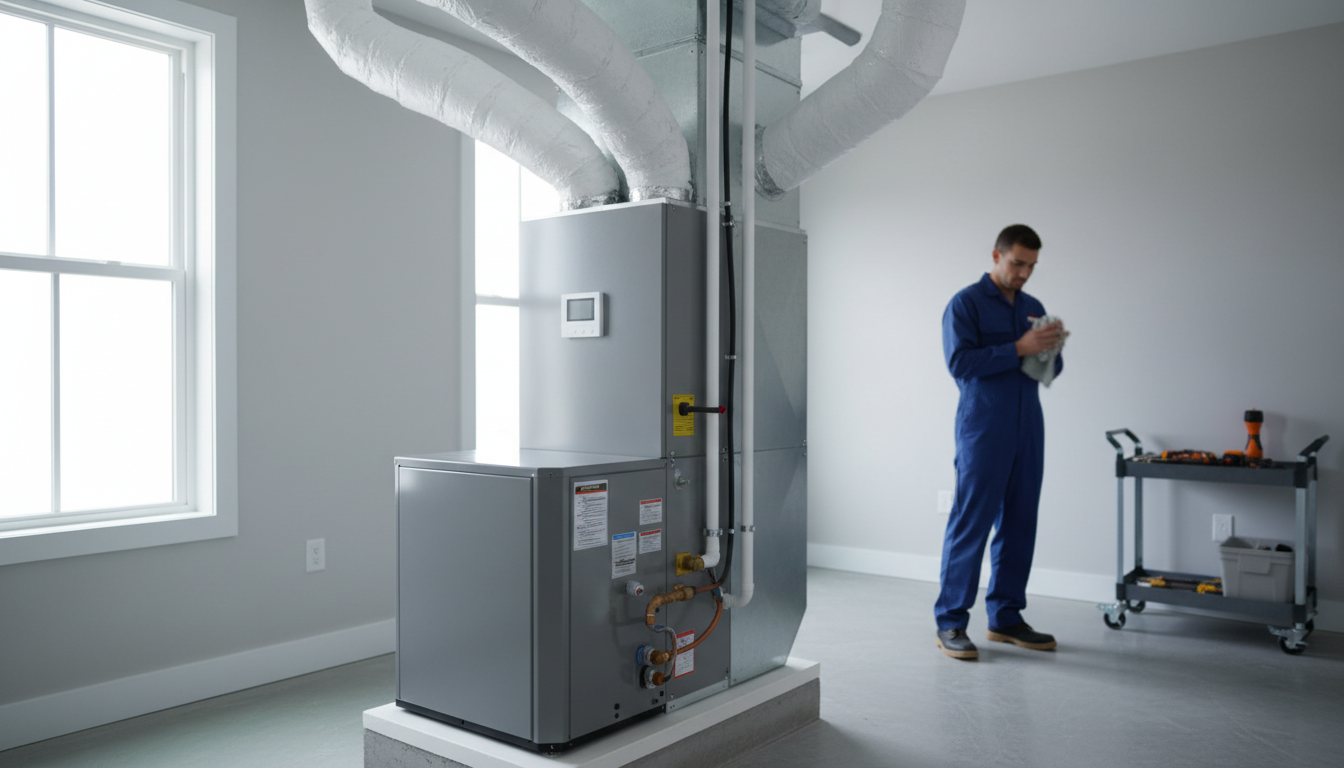
Resolving an air conditioner freezing up requires more than just replacing a filter; it demands a technical analysis of the system's internal pressure and electrical components. At Gobes HVAC, we use modern diagnostic tools, including electronic leak detectors and digital manifold gauges, to pinpoint the exact source of a refrigerant loss or pressure imbalance. These tools provide a level of accuracy that manual gauges alone cannot match, ensuring your system is recharged to precise manufacturer specifications while remaining fully code compliant.
Homeowners in Fillmore benefit from our specific local expertise. We perform deep evaporator coil cleanings using specialized chemical rinses that remove the fine agricultural dust that common household vacuums miss. Additionally, we conduct blower motor testing, measuring the amperage and capacitor health to ensure the fan is moving the correct volume of air required to prevent future ice formation. These are critical maintenance steps that require specialized training and safety equipment to perform correctly. If your system continues to struggle, you can schedule a diagnostic repair to get a clear, data-driven answer. By choosing reliable heating and cooling services, you extend the lifespan of your equipment and avoid the cycle of repeated freeze-ups. Learn more about Gobes HVAC and our commitment to quality craftsmanship in every Millard County home.
A frozen air conditioner usually points to restricted airflow or a more complex mechanical issue like a refrigerant leak. While basic maintenance like changing your filter can often solve the problem, persistent ice buildup suggests a need for deeper inspection. If you want expert help to get your system running smoothly again, our team is ready to assist. You can learn more about Gobes HVAC and our commitment to serving the Fillmore community. We prioritize reliable solutions that keep your home comfortable throughout the warmest months of the year.