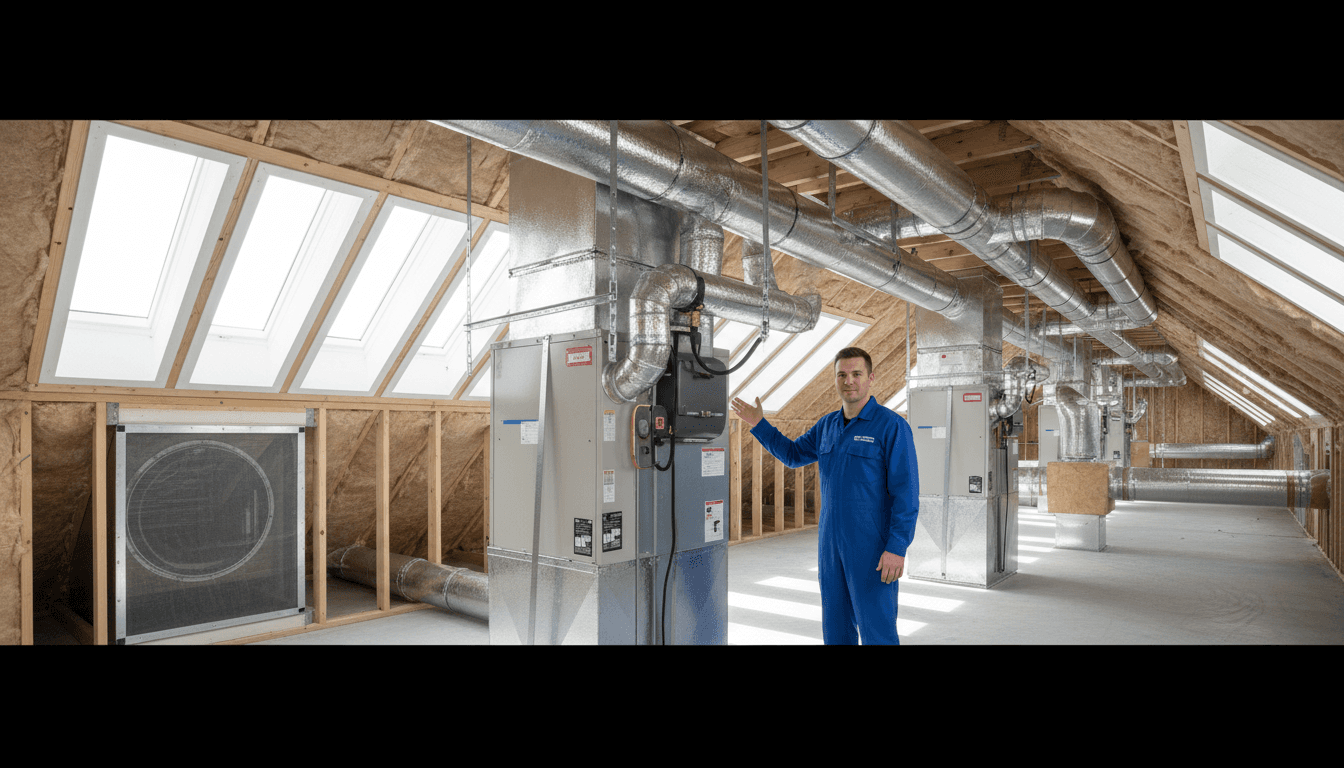
High utility bills, uneven temperatures, and weak airflow from vents are prominent signs of leaky air ducts. Homeowners may also notice excessive dust, musty odors, or whistling sounds coming from the ventilation system; identifying these issues early is essential for maintaining energy efficiency and indoor air quality.
You might notice that your monthly utility bills in Fillmore are steadily climbing even though you have not adjusted your thermostat settings. Perhaps one bedroom remains stubbornly chilly while the living area feels stifling, or you find a persistent layer of dust settling on your furniture shortly after cleaning. These frustrations are common symptoms of leaky air ducts, a hidden issue that forces your HVAC system to work significantly harder while venting expensive conditioned air into your crawlspace. Addressing these leaks is essential for protecting your equipment and ensuring consistent indoor comfort. In this guide, we will examine the seven telltale signs of ductwork failure, identify the primary causes of these leaks, and discuss the professional sealing solutions that restore your home's efficiency. You will learn how to diagnose issues early and understand the long term financial benefits of maintaining a sealed system.
Why Duct Integrity Matters for Fillmore Homeowners
According to industry data from Energy Star, the average residential duct system loses between 20 and 30 percent of the conditioned air moving through it. These losses occur at seams, joints, and poor connections. For a homeowner, this is essentially money escaping into your attic or crawlspace before it ever reaches your living room. When your system has to work 30 percent harder to achieve the same result, every component in the cabinet faces premature wear.
Here in Fillmore, Utah, our local climate puts significant strain on ductwork. We experience extreme temperature swings, from freezing winter nights to blistering summer afternoons. This cycle of heating and cooling causes metal and flex ducts to expand and contract repeatedly, which often pulls joints apart or degrades old seals over time.
Compromised ductwork does more than just spike your utility bills; it directly impacts your ability to improve indoor air quality at home because leaks can pull in dust, insulation fibers, and allergens from unconditioned spaces. Identifying the early signs of leaky air ducts is the first step toward restoring a consistent temperature throughout your house and ensuring your equipment operates as intended. For comprehensive HVAC services in Fillmore, understanding the state of your air distribution system is critical to long term reliability.
Common Signs of Leaky Air Ducts in Your House
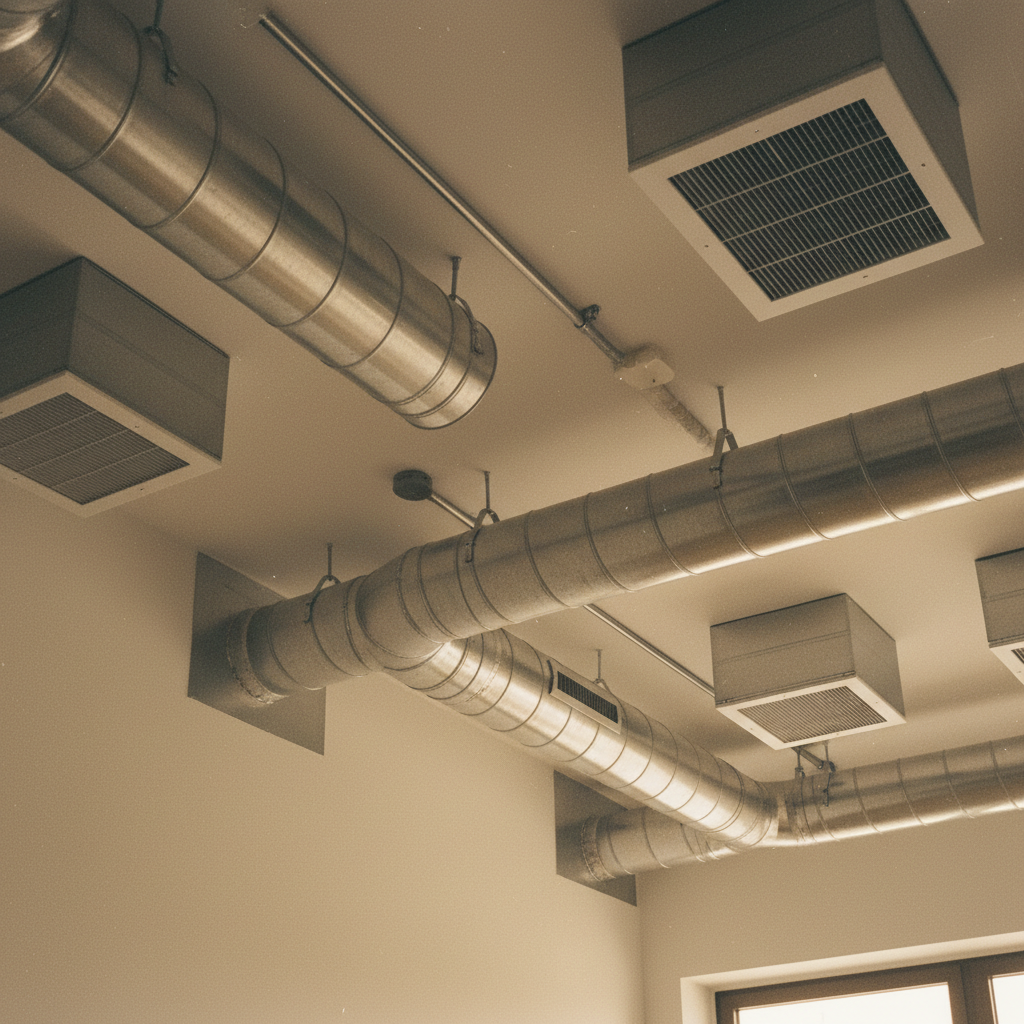
Identifying the signs of leaky air ducts requires a mix of observing your monthly data and paying attention to the physical atmosphere of your rooms. Because ducts are mostly hidden behind drywall or under floorboards, these symptoms are often the only diagnostic indicators available before a professional inspection.
Unexpectedly High Utility Bills: Review your energy statements from the previous year. If your usage has spiked during a season with similar weather, and you have maintained your recommended thermostat settings, your system is likely losing conditioned air. The furnace or AC runs longer to compensate for the air escaping into the wall cavities.
Persistent Hot and Cold Spots: When a supply duct has a significant breach, the room it serves will never reach the temperature set on the thermostat. You might notice the kitchen feels perfect while a back bedroom remains stifling in the summer. This happens because the air pressure drops significantly at the site of the leak, leaving very little volume to push through the terminal register.
Excessive Dust Buildup: If you notice a thick layer of grey dust on your furniture just days after cleaning, your return ducts are likely compromised. Return leaks create a vacuum that pulls in unfiltered air from unconditioned spaces like attics or crawlspaces. This introduces insulation particles and outdoor debris directly into your living space, making it significantly harder to improve indoor air quality at home.
Musty Smells or Dirty Sock Syndrome: Leaks in the return plenum can draw in moisture and earthy odors from beneath the house. When this damp air hits the cooling coils, it can facilitate bacterial growth, leading to a distinct, pungent odor every time the fan kicks on.
Weak Airflow at the Registers: Place a hand over your vents while the system is running. If the airflow feels like a faint whisper rather than a steady stream, the air is escaping through a disconnected joint or a tear in the flex ducting before it reaches the room.
Whistling or Rattling Noises: Air forced through a small hole or a loose flap of metal creates distinct acoustics. High-pitched whistling usually indicates a pressure imbalance caused by a leak, while rattling often points to a loose connection or a joint where the sealant has failed. If you hear these sounds, it is a clear indicator that your system is struggling to maintain its designed static pressure.
What Causes Ductwork to Leak?
Understanding why these failures occur helps you prioritize repairs and avoid future issues. In Fillmore, the primary mechanical stressor is thermal expansion and contraction. During our intense summer heat and sub-zero winter nights, the materials in your ductwork constantly grow and shrink. This cycle puts immense pressure on the joints and seams, eventually causing the sealant to crack or mechanical fasteners to loosen.
Poor initial installation is another frequent culprit. Many systems were originally joined using standard, cloth-backed duct tape. Despite its name, this adhesive is not rated for the high-temperature fluctuations inside an HVAC system. The glue eventually dries out, the backing turns brittle, and the tape peels away entirely, leaving a significant gap. Quality HVAC services in Fillmore utilize mastic or foil-faced tapes specifically engineered to withstand these environments.
Physical damage also plays a role. In crawlspaces and attics, rodents may chew through flex ducting to find nesting materials or warmth. Additionally, other home repair projects, such as plumbing upgrades or electrical work, often result in accidental punctures or disconnected lines that go unnoticed for years. Addressing these structural failures is a necessary step to improve indoor air quality at home and restore the original efficiency of your furnace and air conditioner.
How to Test for Ductwork Leakage at Home
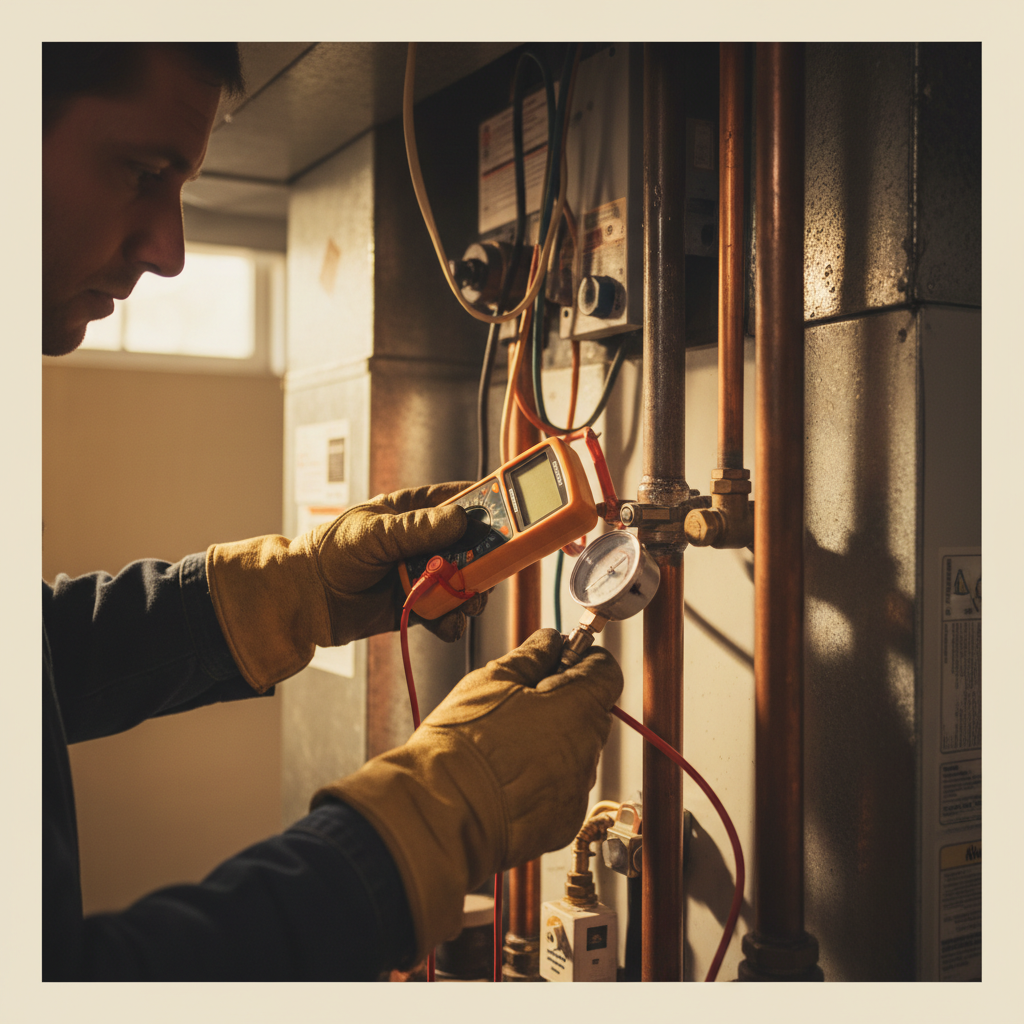
Since structural failures and aging materials are the primary culprits for energy loss, you can perform a preliminary assessment before calling in a technician. Begin with a focused visual inspection of accessible areas. In Fillmore homes, this typically means checking the attic, basement, or crawlspace. Look for sections where the ductwork has physically separated or where flex ducts appear kinked or crushed. A kinked duct restricts airflow similarly to a leak by forcing the blower motor to work against high static pressure. Pay close attention to gray streaks or dust trails near joints; these are clear signs that air is escaping or pulling in debris from unconditioned spaces.
For a more active test, use an incense stick or a smoke pencil while the system fan is running. Move the smoke source slowly along visible seams, elbows, and connection points. If the smoke wavers, blows away, or is suddenly pulled into a joint, you have identified a leak. This method is particularly effective for testing the return plenum where negative pressure is strongest. Identifying these breaches is a practical way to improve indoor air quality at home by stopping the intake of attic insulation and dust.
While these DIY methods identify major breaches, they often miss the hundreds of tiny pinhole leaks that collectively sabotage efficiency. To get a complete picture, professional HVAC services in Fillmore utilize specialized equipment. A blower door test depressurizes the house to measure total leakage, while duct blasting focuses specifically on the air distribution system. These diagnostic tools identify leaks hidden inside wall cavities or beneath thick layers of insulation that are impossible to find by sight or smoke alone.
The Real Cost of Leaky Air Ducts
Ignoring the signs of leaky air ducts creates a persistent drain on your household budget. The financial impact is twofold: immediate energy waste and the eventual expense of remediation. When a system loses 20 to 30 percent of its conditioned air, your utility provider still charges you for that full volume of energy. For a household spending $200 a month on heating and cooling, a 25 percent loss equates to $50 discarded every month. Over a decade, that is $6,000 in lost capital, which far exceeds the cost of professional HVAC services in Fillmore.
While national averages for professional sealing range broadly from $500 to $4,000, most Fillmore residences require an investment between $1,500 and $2,500. This variance depends on duct accessibility and the severity of the gaps. Homeowners often ask if this expense is justified. Beyond the direct utility savings, sealing your ducts prevents the blower motor from running at high static pressure, which avoids costly mid-season breakdowns and premature component failure. The investment typically pays for itself within five to seven years through lower bills alone, while providing the immediate benefit to improve indoor air quality at home by keeping unconditioned attic air and dust out of your breathing zones.
Professional Solutions: Mastic, Foil Tape, and Aeroseal
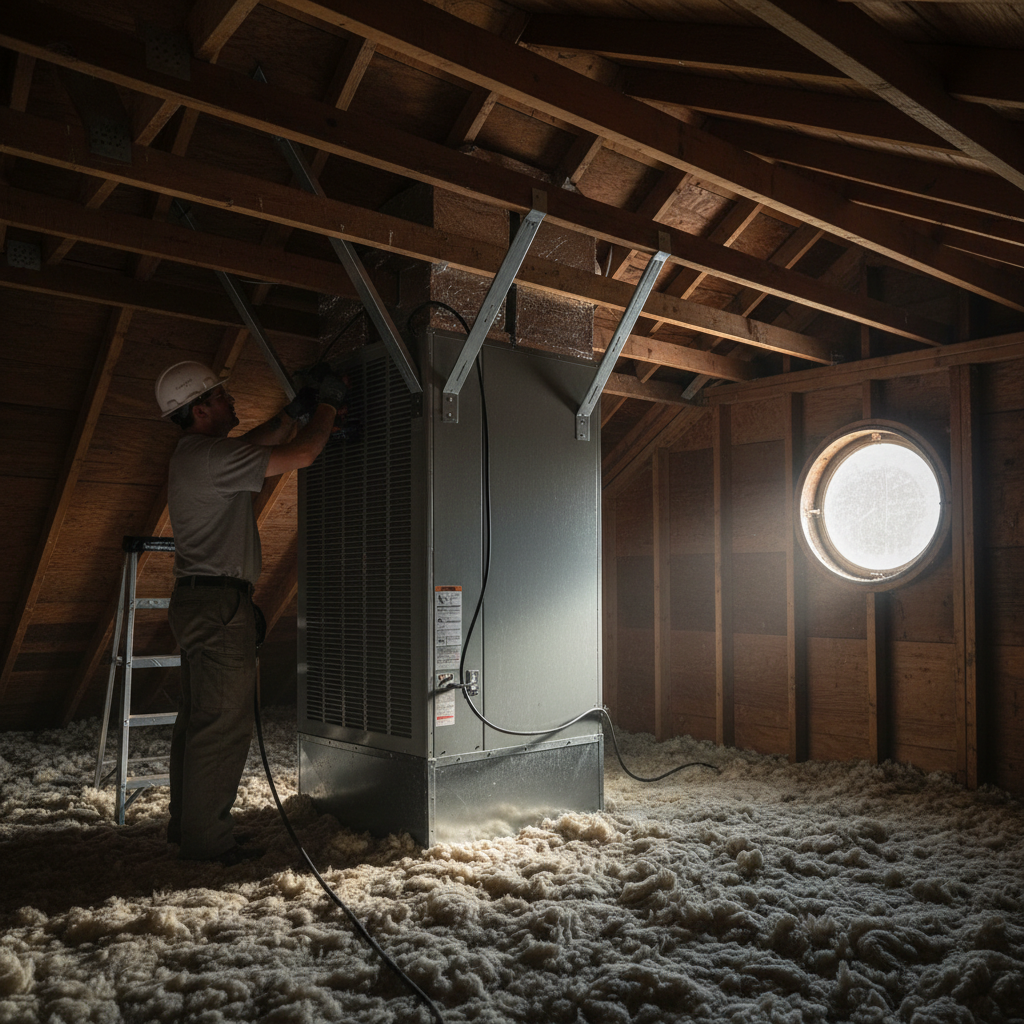
Once you recognize the signs of leaky air ducts, you need to choose a sealing method that withstands Utah's intense temperature swings. For exposed joints in a basement or attic, foil-faced tape is a significant step up from standard adhesives, but it must be UL 181 rated to be effective. However, professional installers generally prefer mastic sealant. Mastic is a thick, fiber-reinforced paste applied with a brush or putty knife. It fills gaps in irregular junctions more effectively than tape and remains flexible as the metal expands and contracts, ensuring the seal doesn't crack over time.
For ducts hidden behind drywall or in inaccessible ceiling joists, Aeroseal provides a more comprehensive solution. This process involves blocking off the registers and pressurizing the duct system with specialized, non-toxic adhesive particles. These particles seek out and plug leaks from the inside out, sealing gaps up to 5/8ths of an inch wide. It is often considered the gold standard for restoring system performance without the need for invasive wall repairs.
There are instances where sealing is no longer the most practical path. If your ductwork is significantly undersized for your current furnace or if the metal has suffered severe corrosion, a full replacement is a smarter long-term investment. Utilizing professional HVAC services in Fillmore to install properly sized, modern ducting ensures your airflow matches the manufacturer's specifications. This is essential if you want to improve indoor air quality at home by removing decades of accumulated debris that simple sealing cannot resolve.
Maintaining Your Ductwork for Longevity
Maintaining your air distribution system is a continuous process that safeguards your mechanical investment. Regular filter changes are the most basic yet effective task, as they prevent fine debris from entering the return side and coating the blower components. When you ignore the signs of leaky air ducts, the blower motor must spin faster and longer to overcome the pressure drop, leading to burnt-out capacitors or total motor failure.
Incorporating duct checks into your semi-annual HVAC services in Fillmore ensures that small gaps are caught before they worsen. A sealed, clean system allows the furnace and AC to cycle efficiently, which helps to improve indoor air quality at home while maximizing the equipment's operational lifespan. Keeping the ductwork intact ensures that every component in your HVAC cabinet works within its designed parameters.
Addressing leaky air ducts in your Fillmore home is a smart move for your comfort and your wallet. By identifying these common signs early, you can prevent minor leaks from becoming major energy drains. While some small repairs are manageable, the process often requires specialized tools and expertise to ensure durable results. If you want expert help to optimize your HVAC system, you can learn more about our local team and how we serve the community. We are here to ensure your home stays efficient and comfortable all year round.