Most furnaces last between 15 and 20 years, although electric models can serve a home for up to 30 years with consistent maintenance. To determine how long does a furnace last, homeowners must account for usage patterns, fuel type, and the frequency of professional tune ups to ensure the system reaches its full life expectancy.
It is a freezing Utah night, and you hear an unfamiliar clank echoing from the basement. That sudden surge of anxiety about your furnace failing when you need it most is a common stress for Fillmore homeowners. Your HVAC system represents one of the most significant investments in your property; therefore, understanding its expected shelf life is essential for both your financial planning and your family’s seasonal comfort. Recognizing the early signs of decline helps you avoid expensive emergency service calls during a bitter cold snap. In this guide, we will break down the average lifespan of various heating systems while exploring how our local climate impacts equipment durability. You will also learn the specific metrics we use, such as the 5000 Rule, to determine when a repair is no longer a viable solution for your home.
The Average Lifespan of a Furnace and Air Conditioner
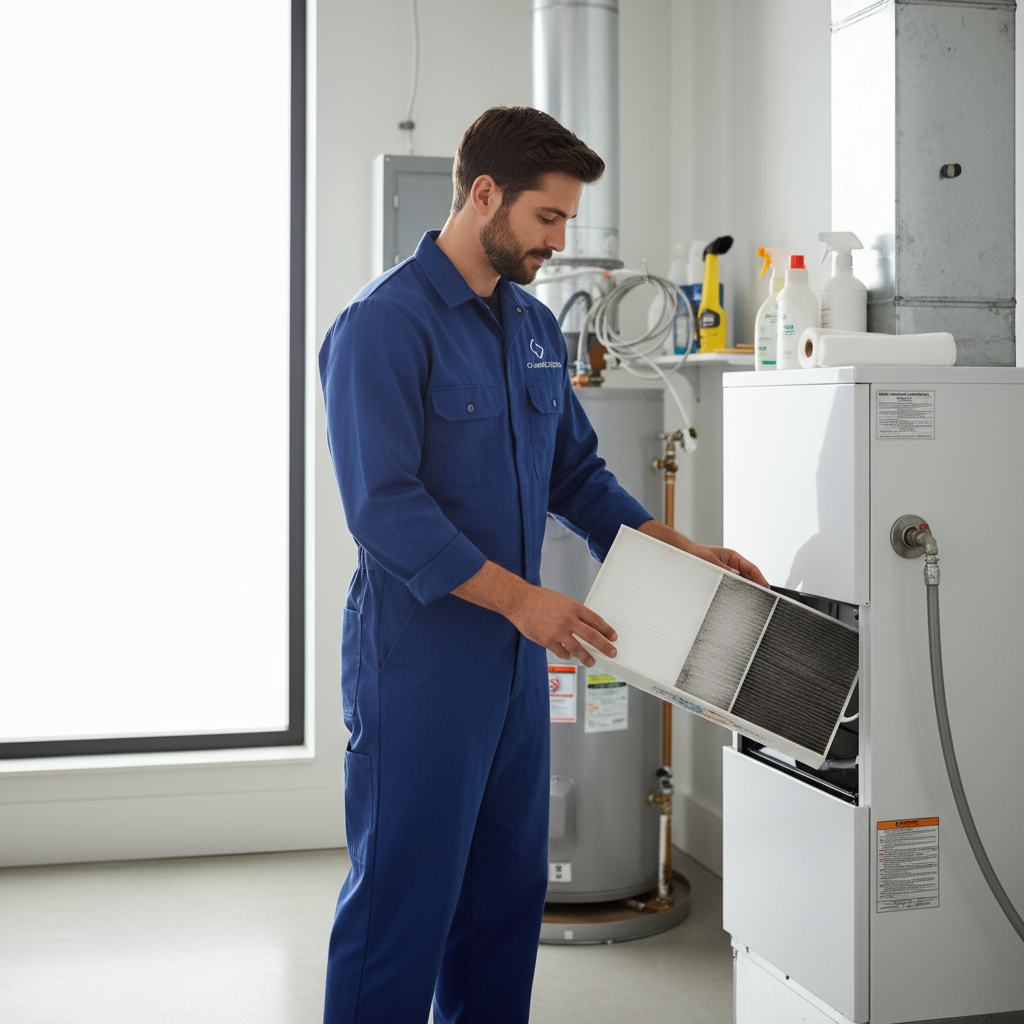
Homeowners in Fillmore often ask how long does a furnace last when they start noticing uneven heating or rising utility bills. Based on industry standards and local performance data, a natural gas furnace typically provides 15 to 20 years of service. Electric furnaces can often reach 20 to 30 years because they have fewer moving parts and do not deal with the corrosive stress of combustion. Air conditioning units generally have a shorter window, typically ranging from 12 to 20 years depending on the workload they face during our hot Utah summers.
It is vital to distinguish between life expectancy and useful life. While a unit might technically turn on after 20 years, its efficiency likely plummeted a decade ago. A furnace past its useful life often costs more in monthly energy waste and frequent repairs than the monthly payment on a new installation. In Fillmore, modern high efficiency models are popular, but they require more precise maintenance than older, simpler systems to reach these age milestones.
To ensure your equipment is operating safely, you should schedule a professional diagnostic once a year. Providing reliable HVAC services allows us to catch small issues before they become terminal. If you are unsure if your aging unit is worth saving, reviewing the HVAC repair vs replacement criteria can help you make an informed decision.
Understanding Furnace Longevity by System Type
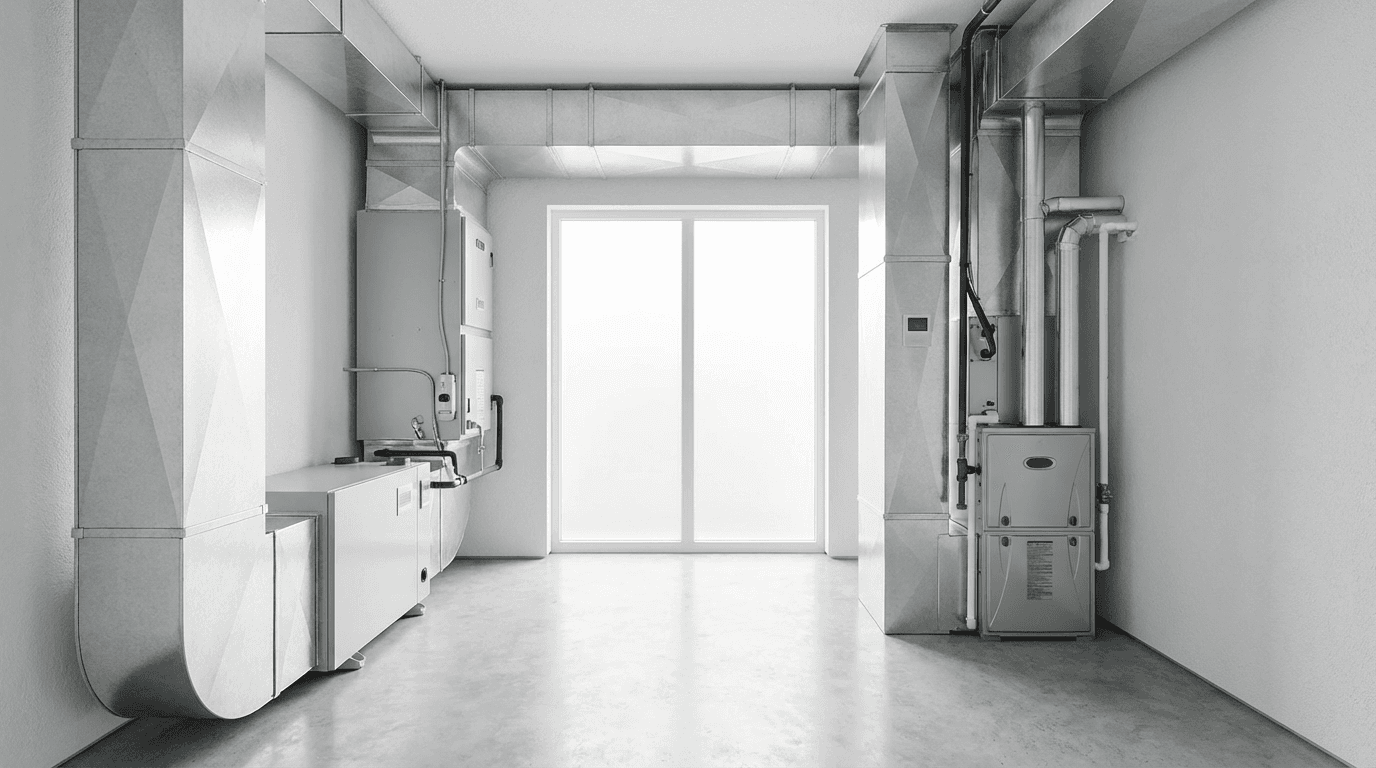
The internal mechanics of your heating system largely dictate how many winters it will survive. In Fillmore, natural gas furnaces are the most common choice due to their high efficiency and immediate heat output. When homeowners ask how long does a furnace last, the answer for gas units typically lands between 15 and 20 years. The limiting factor is the combustion process itself; the constant expansion and contraction of the metal heat exchanger under extreme temperatures eventually leads to fatigue or cracks. Proper venting is also critical, as restricted airflow can cause the system to cycle too frequently, accelerating wear on the inducer motor and gas valve.
Electric furnaces offer a different trajectory. Because they use electric resistance coils rather than burners, they avoid the corrosive byproducts of combustion and the stress of open flames. This simpler design allows many electric models to function for 20 to 30 years. However, there is a trade-off for Fillmore residents. While the equipment may last longer, the operational cost of using electricity to heat a home during a sub-zero Millard County cold snap is often significantly higher than using natural gas.
Oil furnaces, though less prevalent in newer local installations, generally provide 15 to 25 years of service but require more frequent cleaning to prevent soot buildup from damaging the heat exchanger. Regardless of the fuel source, the health of the heat exchanger is the ultimate gatekeeper of longevity. To monitor these internal components, you should schedule a professional diagnostic once the system passes the ten year mark. If a technician identifies a compromised heat exchanger in an older unit, looking into HVAC repair vs replacement is usually the next logical step to maintain home safety.
How the Fillmore Climate Affects Your HVAC System
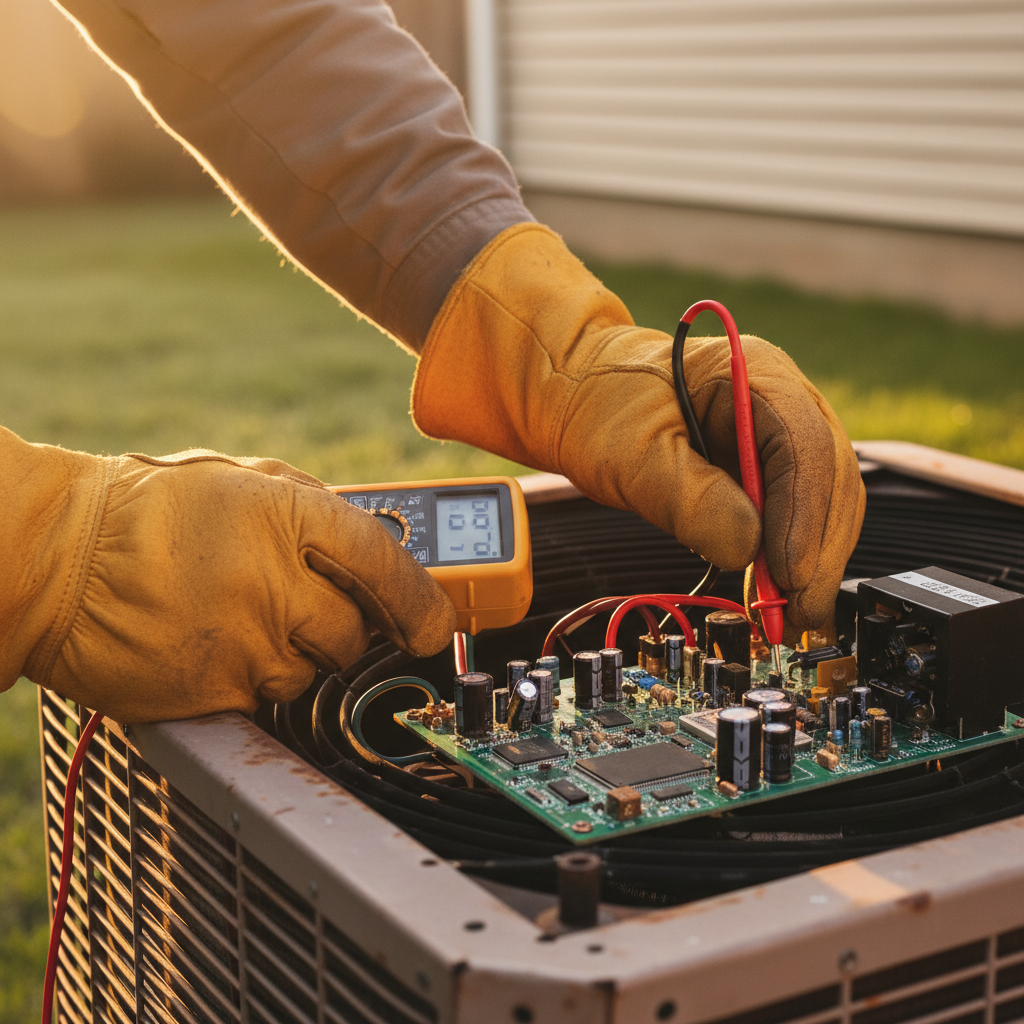
In Millard County, the high desert environment plays a significant role in determining the actual service life of your equipment. While national averages provide a baseline, the extreme temperature swings in Fillmore place unique stresses on mechanical components. During our freezing winters, furnaces run almost constantly to combat the sub-zero nights, which accelerates the wear on blowers and ignition systems. This heavy seasonal use means that when you ask how long does a furnace last in Utah, the answer often skews toward the lower end of the 15 to 20 year range if the system is neglected.
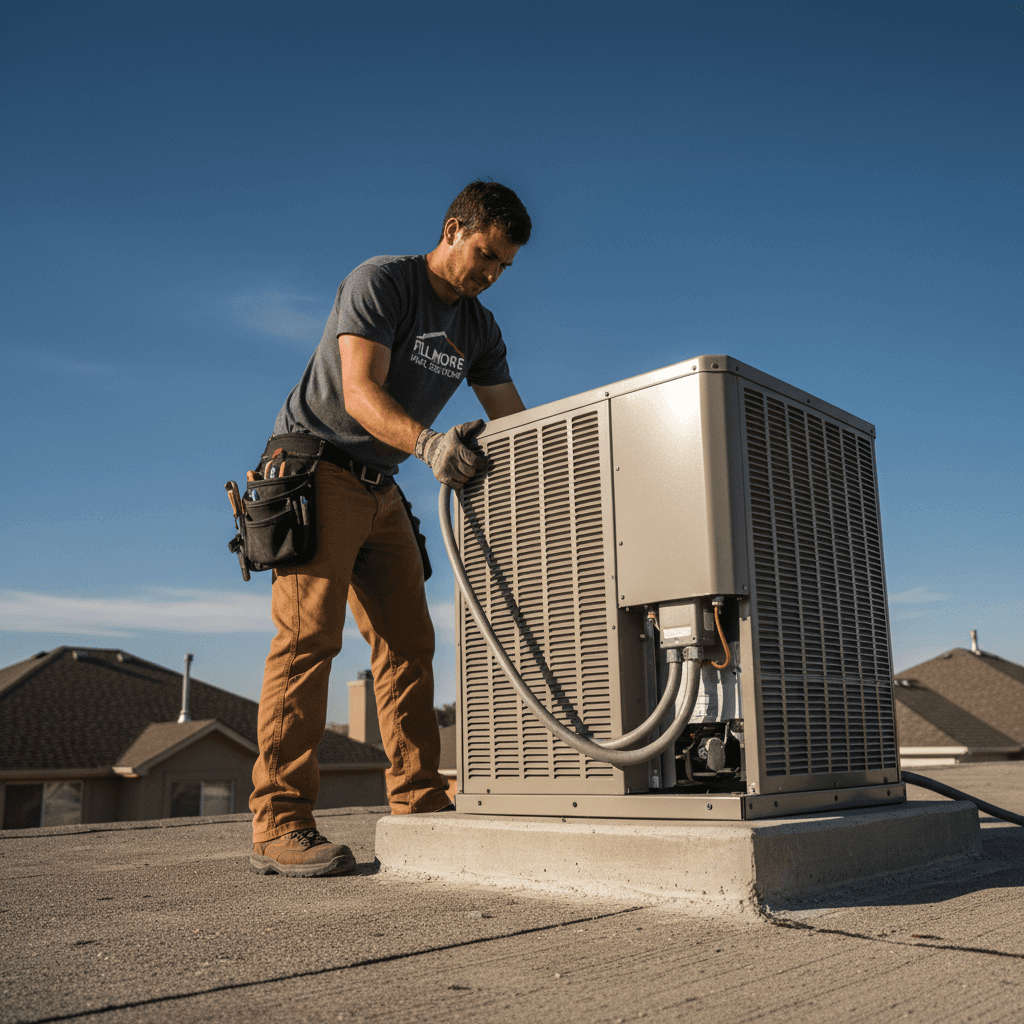
Windblown dust and agricultural debris are equally problematic for cooling systems. Our hot, dry summers require air conditioners to work under high pressure, and when the outdoor condenser coils become layered with fine Utah dust, the unit cannot shed heat efficiently. This thermal stress forces the compressor to work harder and run longer, which significantly shortens its lifespan and drives up utility costs. A system that might reach 20 years in a milder climate can easily fail at 12 or 15 years here without consistent intervention.
To combat these environmental factors, you should schedule a professional diagnostic to ensure your coils are clean and your furnace components are not fatigued from a long winter. Providing reliable HVAC services in this climate requires understanding these specific local stressors and how they impact metal fatigue and electrical connections. If your unit has already endured a decade of Fillmore weather and is starting to struggle, it may be time to evaluate HVAC repair vs replacement before the next extreme season arrives.
The 5000 Rule and Other Signs It Is Time to Replace
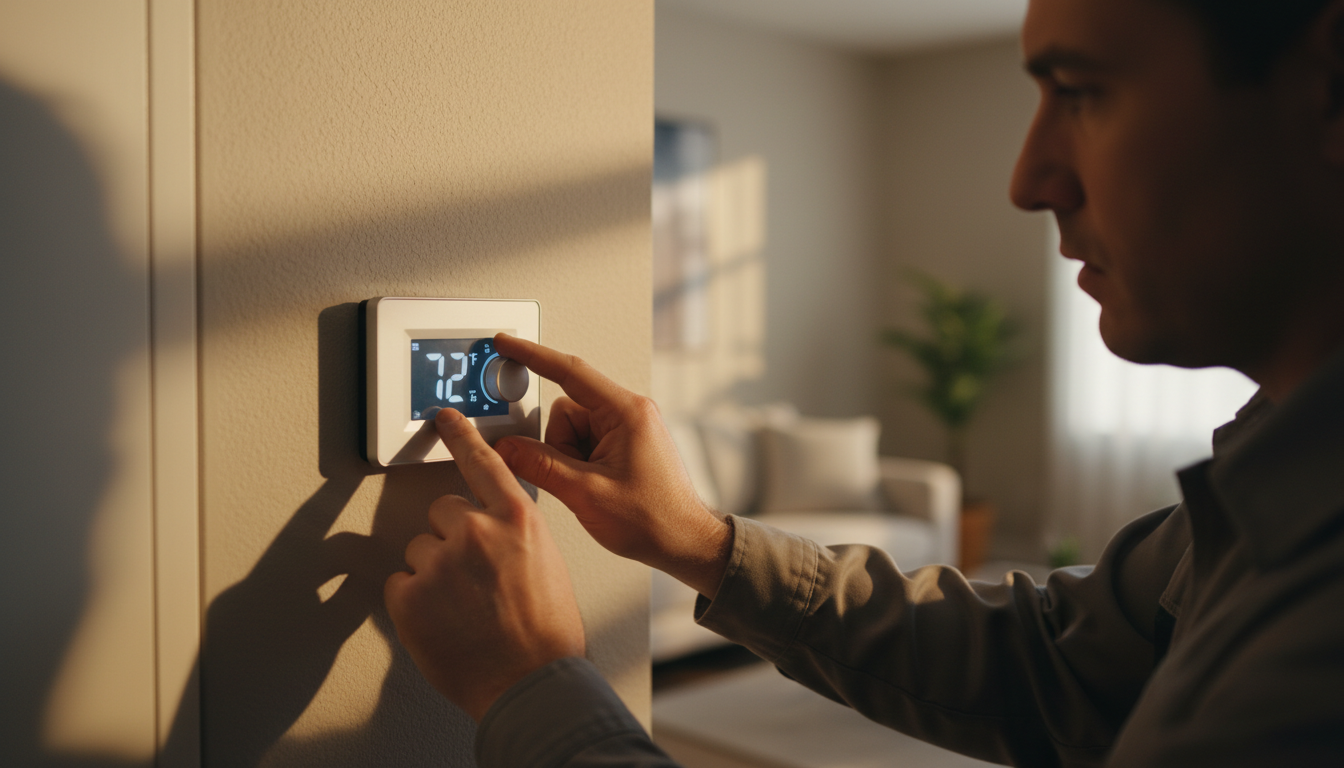
When the local climate takes its toll, you need a logical way to decide if a fix is worth the money. One industry standard is the $5,000 rule. To apply this, multiply the age of your unit by the estimated cost of the repair. If the resulting number exceeds $5,000, the investment is rarely justified. For example, spending $600 on a 10 year old furnace results in a score of $6,000; in this case, a replacement is likely the better financial move. For air conditioning units, many technicians use the 20 percent rule. If a single repair bill exceeds 20 percent of the cost of a brand new system, you are throwing good money after bad.
When calculating how long does a furnace last in your specific home, watch for these operational red flags: - Energy bills that climb steadily despite similar usage patterns. - Requiring more than two repairs in a single calendar year. - Banging, grinding, or screeching noises indicating mechanical failure. - Noticeable cold spots or uneven airflow between rooms.
If you notice these issues, you should schedule a professional diagnostic to evaluate the remaining service life. While we provide reliable HVAC services for all makes and models, there comes a point where sinking money into a failing unit compromises home safety. Understanding HVAC repair vs replacement helps you avoid the trap of emergency mid-winter installations.
When to Repair versus Replace Your Heating and Cooling System
Deciding between a fix and a full upgrade requires looking beyond the immediate bill. Even if you are concerned about how long does a furnace last, the safety and future availability of parts often dictate the next step. If your system is less than a decade old and still covered by a manufacturer warranty, repairing a failed capacitor or fan motor is almost always the right choice. These minor components can be swapped out quickly to restore reliable HVAC services without a massive investment.
However, catastrophic failures change the math. A cracked heat exchanger is a safety hazard that generally warrants a new furnace regardless of age. For cooling, the 2025 HVAC refrigerant change is making R22 systems nearly impossible to service affordably. If your old compressor fails, the cost of specialized refrigerant and labor often approaches the price of a new, high efficiency unit.
Scenario | Recommend Repair | Recommend Replace |
|---|---|---|
Equipment Age | Under 10 years old | Over 15 years old |
Warranty Status | Parts covered by manufacturer | Out of warranty |
Critical Failure | Minor parts (capacitors, ignitors) | Cracked heat exchanger or failed compressor |
Refrigerant Type | Modern R-410A or newer | Obsolete R-22 |
Financial Incentives | No current local incentives | 2026 Utah HVAC rebates available |
You should schedule a professional diagnostic to get an accurate reading on these components before committing to a path. Comparing HVAC repair vs replacement options now allows you to prepare for upcoming Utah rebates and avoid the rising costs of maintaining outdated technology.
Strategic Timing for HVAC Replacement in Utah
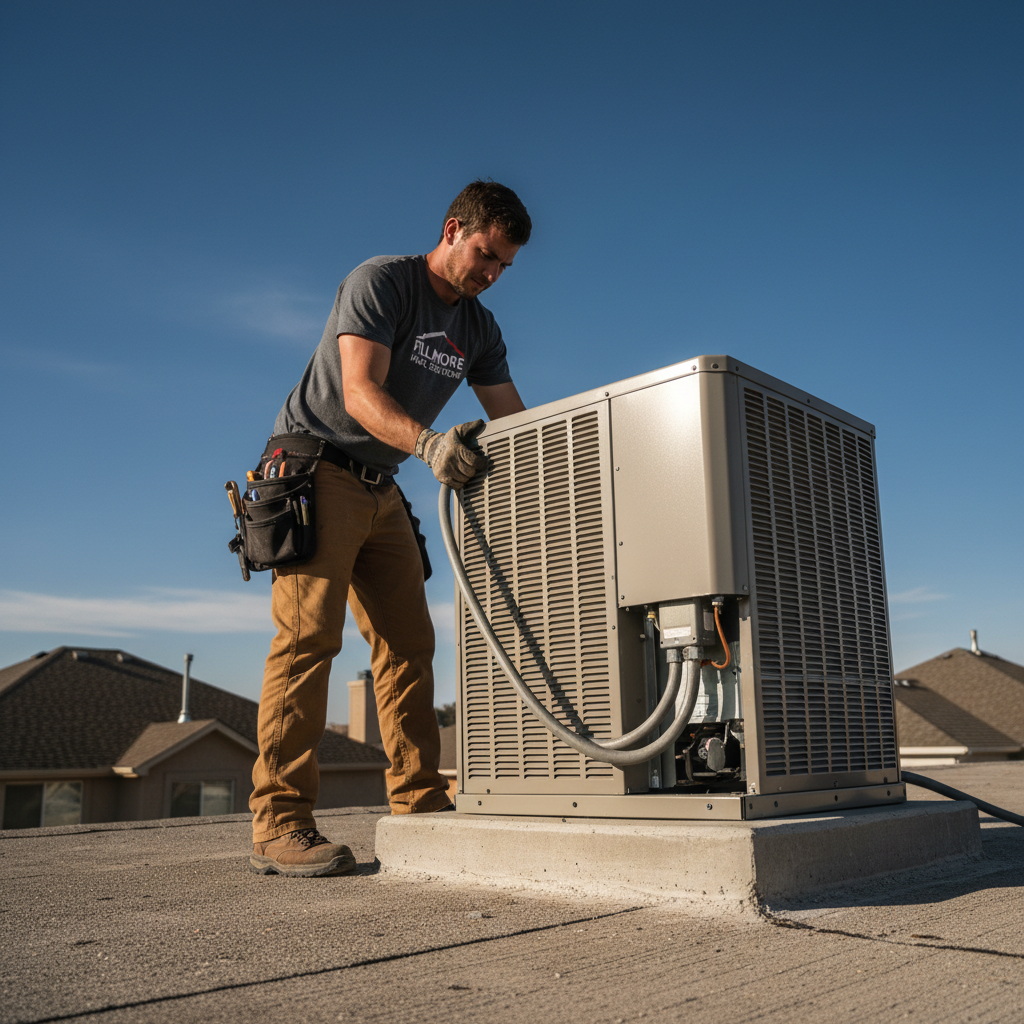
Understanding the financial impact of upcoming rebates is important, but timing the installation itself can save you even more. The most cost-effective window to upgrade your home comfort system in Millard County is during the shoulder seasons, specifically early spring and late fall. During these months, the intense demand for emergency calls drops. This gives technicians more flexible schedules and often results in better pricing compared to the peak of a Utah heatwave or a sub-zero cold snap.
Waiting for a total system failure in mid-January or July is a recipe for unnecessary stress and expense. When you are forced to replace a unit during a crisis, you often face emergency service fees and are limited to whatever equipment is currently in stock. By being proactive, you can take the time to compare different efficiency ratings and ensure you select a model that fits your specific square footage and insulation needs.
If your unit is nearing the end of its projected lifespan, you should schedule a professional diagnostic during the off-season. Planning a replacement while your current system still functions ensures you receive reliable HVAC services without the pressure of a freezing home. Evaluating HVAC repair vs replacement options before the peak seasons arrive allows you to make a calculated investment. While every homeowner wants to know exactly how long does a furnace last, the goal is to retire the equipment just before it leaves you stranded.
Simple Steps to Extend the Life of Your Furnace and AC
Maximizing your equipment investment requires consistent attention to airflow and mechanical cleanliness. The most effective habit is changing your air filters every one to three months. During Fillmore's windier seasons, fine high desert dust accumulates rapidly; a clogged filter forces the blower motor to overwork, which leads to premature motor failure. Outside, ensure the condenser unit remains clear of weeds, brush, and agricultural debris to allow for proper heat transfer.
Routine maintenance significantly impacts how long does a furnace last by preventing compounding damage. You should schedule a professional diagnostic at least once a year. These visits allow a technician to identify minor issues, such as a failing ignitor or a weakening capacitor, before they cause a system wide shutdown. By providing reliable HVAC services that prioritize prevention, we help you avoid an early HVAC repair vs replacement dilemma and ensure your system runs efficiently for its entire projected lifespan.
Understanding the lifespan of your furnace helps you stay ahead of unexpected breakdowns and costly repairs. While regular maintenance goes a long way toward extending that timeline, every system eventually reaches its limit. If you want expert help evaluating your current setup or planning for an upgrade, our team is here to assist you. You can learn more about our commitment to Fillmore homeowners and how we prioritize your comfort. Taking proactive steps today ensures your home stays warm for many winters to come.