Yes, modern air source heat pumps work in cold climates because advanced models are engineered to extract heat even at temperatures as low as -25°F. For homeowners wondering do heat pumps work in cold climates, these high-performance units provide a reliable, efficient, and cost-effective solution for staying warm during freezing winters.
As the temperatures in Fillmore drop well below freezing, many homeowners question if a heat pump can truly keep up with the demand. The old myth that these systems fail once the thermometer hits forty degrees still lingers, often causing unnecessary anxiety during our peak winter months. For Utah residents, choosing the right heating solution is not just about comfort; it is about managing energy bills and ensuring long term reliability. In this guide, we will explore the evolution of cold climate heat pump technology and explain why modern systems no longer follow the outdated twenty degree rule. You will learn how these units compare to traditional gas furnaces in terms of operating costs, what to expect from defrost cycles, and how to maximize local rebates for your next HVAC upgrade.
The Evolution of Heating: Can Heat Pumps Handle Utah Winters?
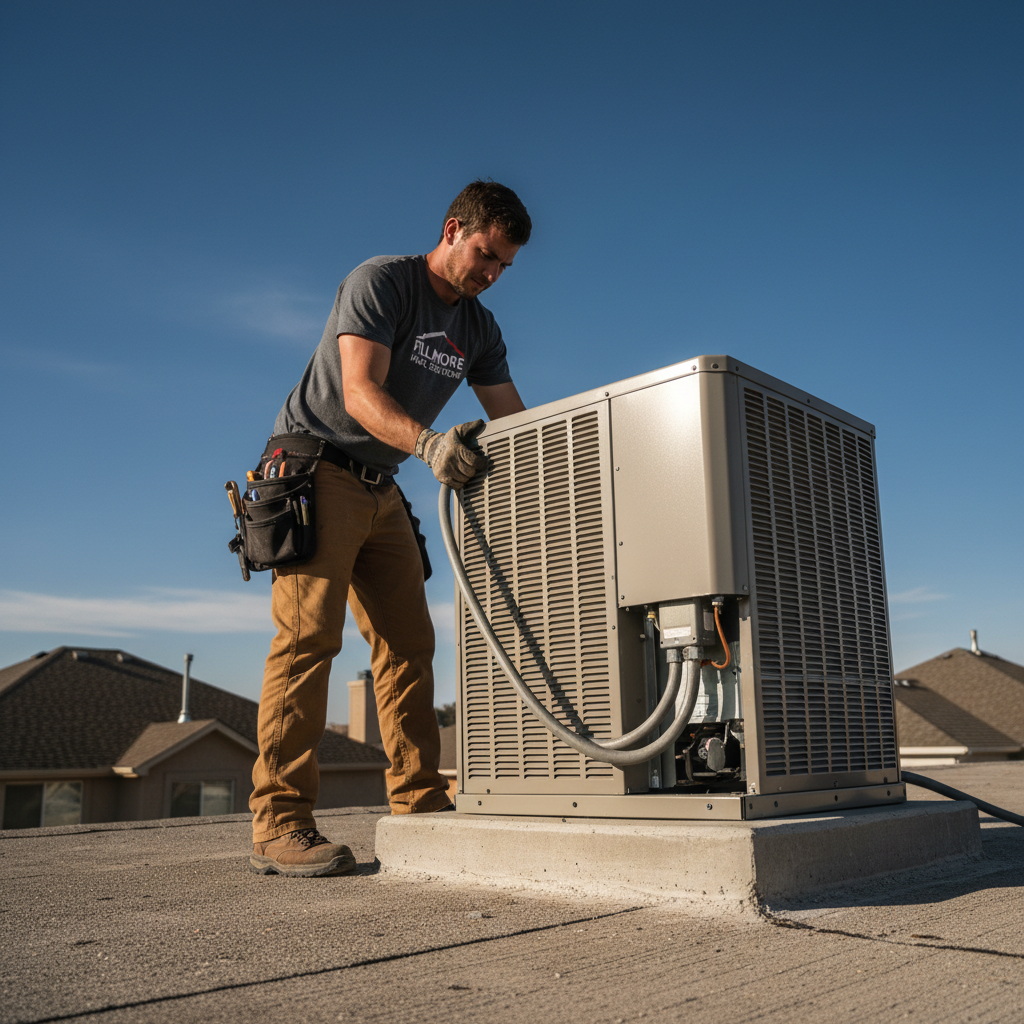
Homeowners in Millard County often ask if a heat pump is a viable option for our region, or if it is strictly for milder environments. The short answer is yes. Modern systems, specifically Cold Climate Heat Pumps (CCHP), are engineered to perform exceptionally well during the harsh winters we experience in Fillmore. While older air source models were notorious for losing their effectiveness once temperatures dropped below 35 degrees, today's technology allows these systems to remain primary heat sources even in sub zero conditions.
The effectiveness of these units comes down to physics. To a human, 0 degree air feels incredibly cold, but scientifically, that air still contains a significant amount of thermal energy. Modern refrigerants have very low boiling points, allowing them to extract this energy from the outside air and move it into your home. The transition from older technology to CCHPs is the reason many residents are now looking into reliable heating and cooling services to replace aging gas furnaces.
Local factors also play a critical role in system performance. Fillmore sits at an elevation of approximately 5,000 feet. This altitude results in lower air density, which affects the rate of heat transfer. Because thinner air carries less heat mass per cubic foot, a heat pump must be correctly sized and calibrated to handle the specific atmospheric conditions of the Pahvant Valley. When a system is expertly matched to our local elevation and climate, it can provide consistent comfort even when the winter wind picks up off the mountains.
Understanding Cold Climate Heat Pump Technology (CCHP)
Transitioning from the theoretical physics of heat extraction to practical application requires understanding the components inside a modern outdoor unit. The most significant advancement in cold climate technology is the variable speed inverter driven compressor. Older, single stage units operated like a light switch; they were either fully on or fully off. When temperatures dropped, these legacy systems simply could not move refrigerant fast enough to keep up with the rapid heat loss of a home.
Modern CCHPs operate more like a dimmer switch. The inverter allows the compressor to modulate its speed, ramping up to higher frequencies as the mercury drops. This enables the system to extract the maximum amount of thermal energy possible from the thin Fillmore air. Many of the high performance models we install for Millard County residents maintain 100 percent heating efficiency down to 5 degrees. Even during extreme cold snaps, these systems continue providing heat down to -15 or even -25 degrees. This operational range covers nearly every winter night recorded in our region. By utilizing advanced refrigerants and flash injection technology, these systems ensure that the question of do heat pumps work in cold climates is answered with a definitive yes for local homeowners seeking reliable heating and cooling services.
Debunking the 20 Degree Rule for Modern Systems
The 20 degree rule is a persistent myth in the HVAC industry, rooted in the limitations of legacy equipment. In the past, air source heat pumps often became glorified electric heaters once the thermometer hit 20 degrees, losing their ability to move heat efficiently. With modern CCHP technology, this threshold no longer dictates performance. When homeowners ask, do heat pumps work in cold climates, they are often relieved to learn that functionality continues far below this outdated benchmark. However, while these systems technically function in extreme cold, we must still account for the Coefficient of Performance (COP).
As temperatures drop, the COP, which measures the ratio of heat delivered to electricity consumed, begins to decline. This brings us to the balance point. This is the precise temperature where the heat pump can no longer offset the building's heat loss on its own. For a well insulated home in Fillmore, this point might be much lower than in an older, drafty property.
Fillmore’s specific geography, particularly the wind speeds common in Millard County, plays a significant role here. Wind stripping heat from your exterior walls forces the system to work harder, effectively raising your balance point. Understanding these dynamics is why we emphasize precision when providing reliable heating and cooling services. We ensure your system is sized not just for the temperature, but for the specific structural and environmental demands of your property.
Heat Pump vs. Gas Furnace: The Fillmore Operating Cost Breakdown
Analyzing the financial side of the debate requires looking beyond the price of fuel and focusing on seasonal efficiency. In Central Utah, natural gas typically costs less per British Thermal Unit (BTU) than electricity. However, a traditional gas furnace operates at roughly 80 to 96 percent efficiency, meaning for every dollar spent, a portion literally goes up the flue. In contrast, heat pumps achieve efficiencies between 300 and 400 percent because they move existing heat rather than creating it through combustion. This massive efficiency gap often offsets the higher cost of electricity, particularly during the milder stretches of a Fillmore autumn or spring.
For many homeowners, the most practical solution is a Dual Fuel or Hybrid system. This configuration pairs an electric heat pump with a high efficiency gas furnace. In this setup, the heat pump handles the primary heating load whenever outdoor temperatures are above 30 or 40 degrees. Once the mercury plunges below that crossover point, the system automatically switches to the gas furnace. This strategy allows you to capitalize on the heat pump’s extreme efficiency during the majority of the heating season while relying on the raw heating power of gas during the coldest Millard County nights.
System Type | Efficiency Range | Best Performance Window |
|---|---|---|
Standard Gas Furnace | 80% - 96% | Temperatures below 20°F |
Cold Climate Heat Pump | 300% - 400% | Temperatures above 5°F |
Dual Fuel (Hybrid) | Variable | Year-round optimization |
Choosing the right setup involves calculating your specific home’s heat loss and local utility rates. When we provide reliable heating and cooling services, we help residents determine the exact balance point where switching fuels makes the most economic sense. This customized approach ensures that the question of do heat pumps work in cold climates is answered not just with a yes, but with a plan that minimizes monthly utility bills.
Why Is My Electric Bill So High? Managing Defrost Cycles
When homeowners notice a sudden spike in their winter utility costs, they often wonder if their system is failing or if the answer to do heat pumps work in cold climates is more expensive than they anticipated. The culprit is frequently the defrost cycle and the subsequent activation of auxiliary heat. During a defrost cycle, the system briefly reverses its operation to melt frost buildup on the outdoor coils. While this is a normal maintenance function, the indoor air can feel cool for a few minutes, causing the system to engage electric resistance strips, also known as emergency heat, to maintain comfort levels.
These heat strips are the least efficient way to heat a home, consuming significantly more power than the heat pump's compressor. High bills usually indicate that the system is entering this auxiliary mode too frequently. This happens most often when a system is improperly sized for our local elevation or when homeowners use aggressive set-back temperature schedules.
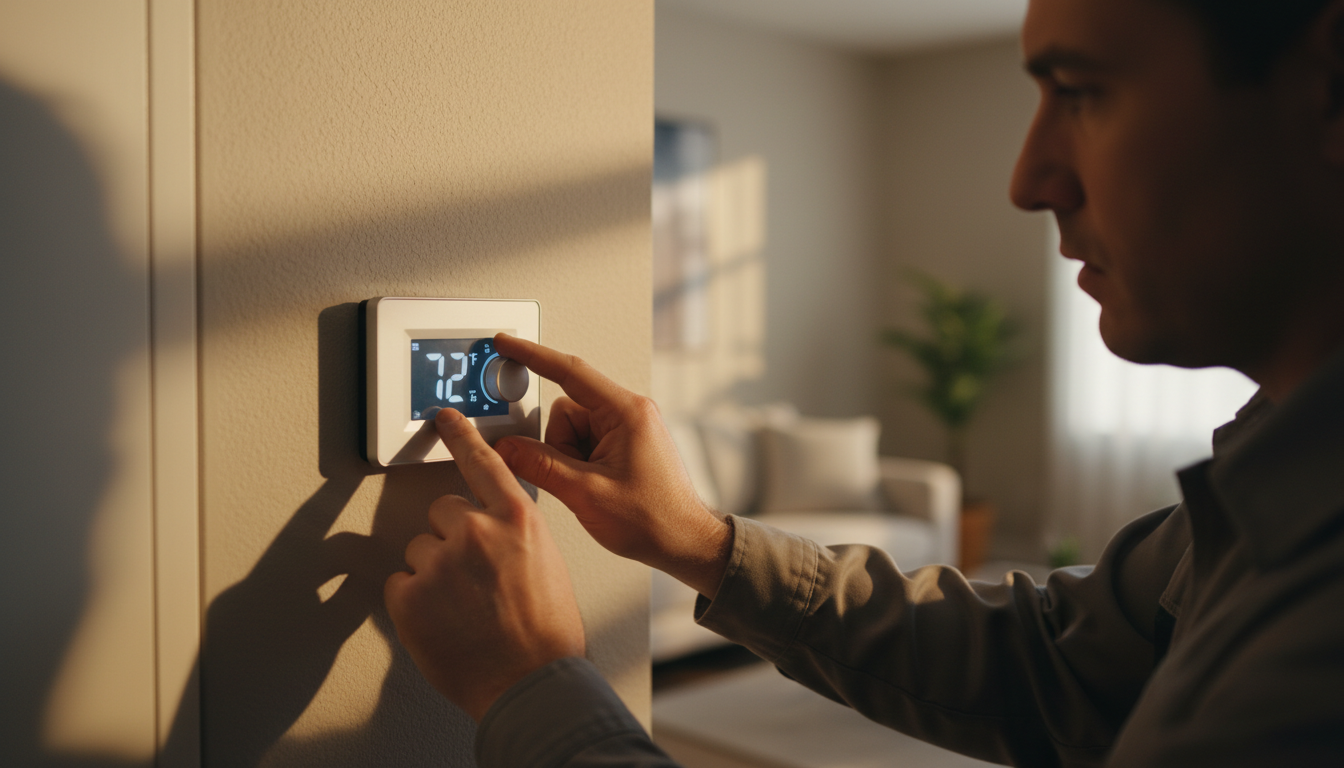
Unlike gas furnaces that provide a rapid blast of heat, heat pumps are designed for steady state operation. Setting your thermostat back more than two or three degrees at night forces the system into an intensive recovery mode the next morning, which almost always triggers the expensive heat strips to close the gap. Maintaining a consistent temperature and scheduling reliable heating and cooling services to verify proper sensor calibration are the best ways to keep operational costs predictable in Millard County.
The Impact of Fillmore's Climate on Installation and Sizing
While the defrost cycle is a necessary part of operation, Fillmore homeowners have a distinct advantage due to our semi-arid climate. Millard County’s low humidity means there is less moisture available to freeze on the outdoor coils, resulting in fewer defrost cycles than a unit would experience in a humid coastal region. This dry air significantly improves seasonal efficiency.
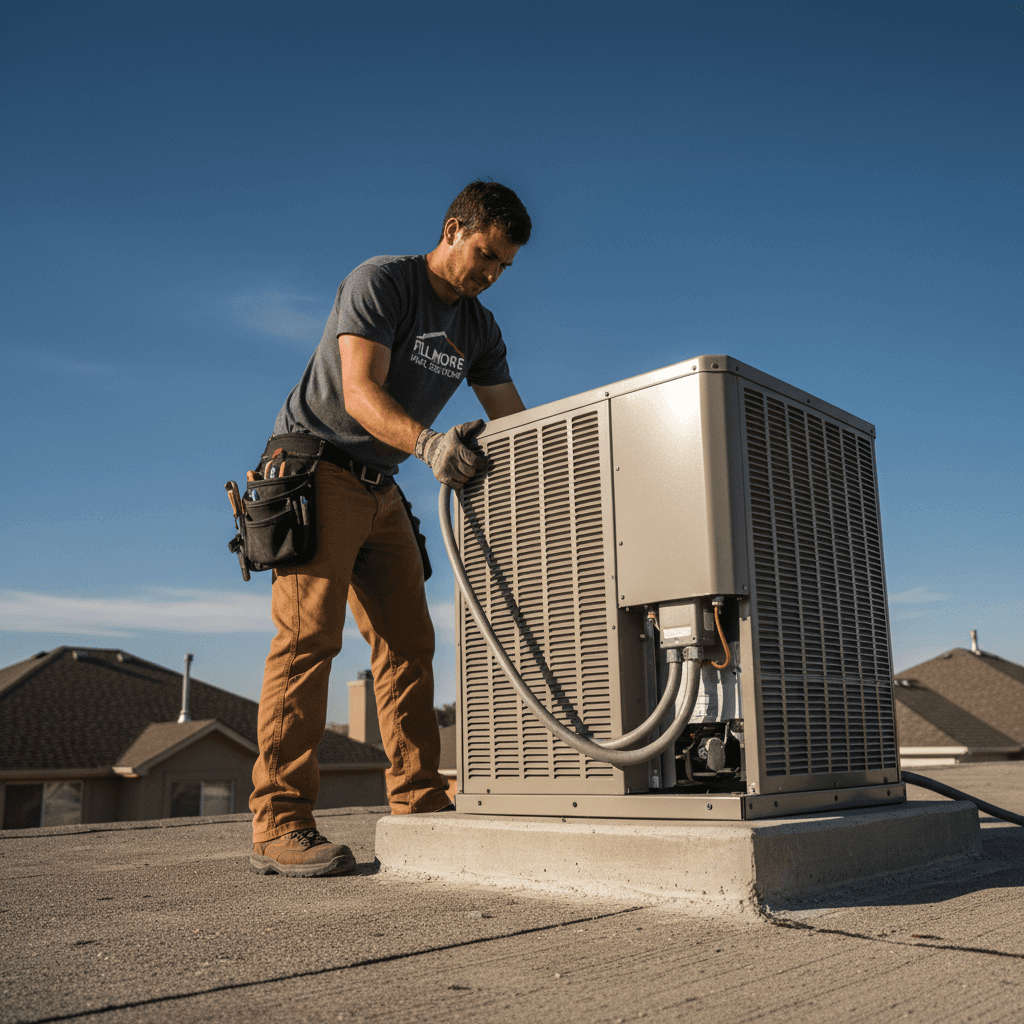
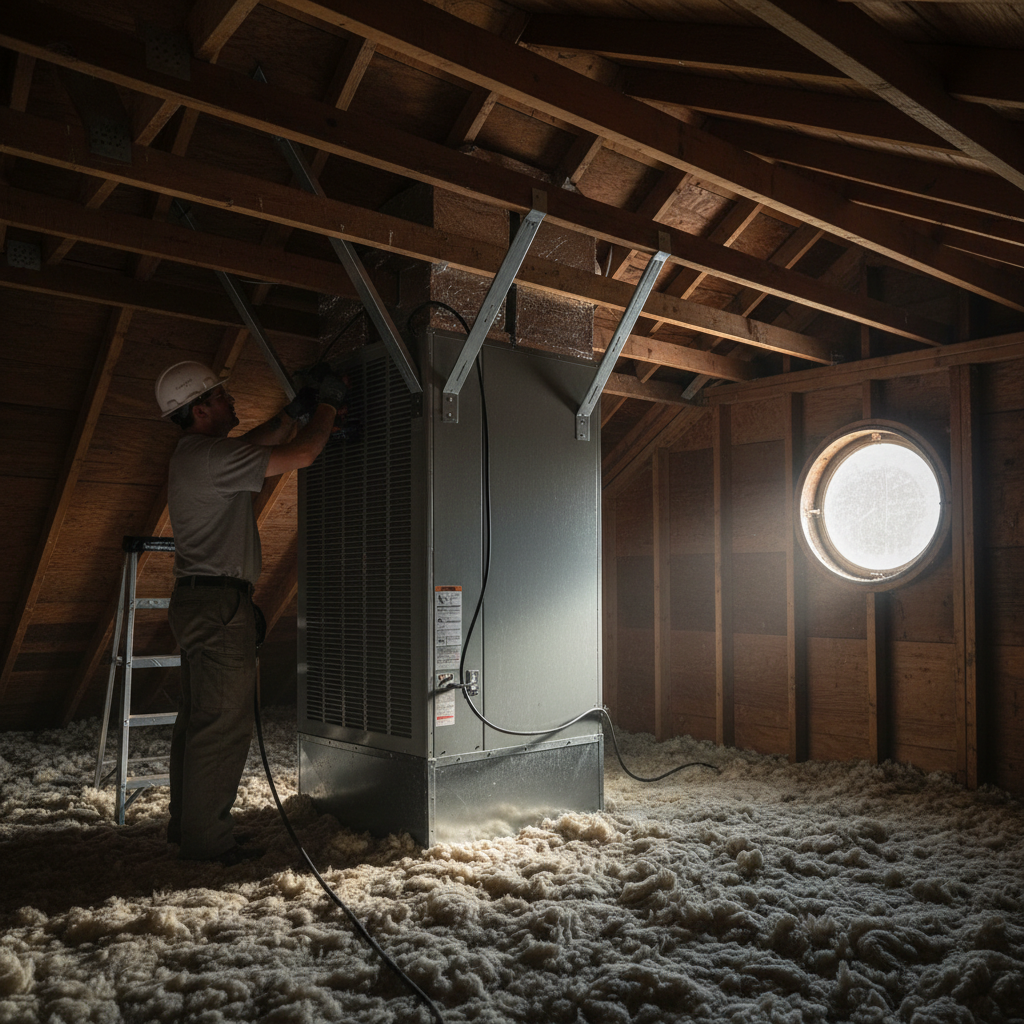
Physical installation must still account for our winter precipitation. We install outdoor units on specialized snow stands, elevating the chassis above the local snow line. This prevents the base pan from freezing and ensures unobstructed airflow during heavy storms. Furthermore, sizing these systems at 5,000 feet requires more than a simple square footage estimate. A professional Manual J load calculation is non-negotiable; it accounts for thinner air and the specific heat loss of your home at high altitude. When people ask do heat pumps work in cold climates, the answer depends heavily on this precision. Getting this right is a core part of our reliable heating and cooling services, ensuring the unit doesn't underperform when the thermometer drops.
Rebates and Incentives for Utah Heat Pump Upgrades
Upgrading to a high efficiency system involves a higher initial investment compared to a standard air conditioner, but current financial incentives significantly lower that barrier. Under the Inflation Reduction Act, Fillmore homeowners can claim a federal tax credit of 30 percent of the total project cost, capped at $2,000 per year. This credit applies specifically to qualifying heat pumps that meet high efficiency standards. Additionally, local utility providers often offer rebates to encourage the transition away from less efficient heating methods.
Program Source | Maximum Benefit | Qualifying Equipment |
|---|---|---|
Federal Tax Credit (25C) | $2,000 per year | CCHP / Energy Star Tier 2 |
Local Utility Rebates | Varies by provider | High-efficiency Heat Pumps |
Manufacturer Rebates | Seasonal availability | Select matched systems |
When you look at the total cost of ownership, these incentives combined with monthly energy savings make the transition logical. Even if you previously doubted the technology, understanding how well modern units function helps clarify that 2026 Utah HVAC rebates and incentives are designed for our specific environment. Our team provides reliable heating and cooling services that include helping you document equipment specifications required for these tax filings. We ensure you select a model that qualifies for the maximum possible return while proving that these systems are a financially sound answer to the question, do heat pumps work in cold climates.