The HVAC refrigerant change 2025 homeowners need to understand involves the EPA phasing out high-GWP refrigerants like R-410A in favor of more environmentally friendly alternatives. While you are not required to replace existing units, all new systems manufactured after January 1, 2025, will use these new refrigerants to comply with updated federal standards. This transition aims to reduce environmental impact, though it may lead to higher maintenance costs for older systems as legacy refrigerants become more scarce.
If you are a homeowner in Fillmore, the news about the 2025 HVAC refrigerant transition likely feels like another layer of confusion in an already complex market. You might be wondering if your current air conditioner will soon be obsolete or if a simple repair will become prohibitively expensive overnight. This shift is driven by new EPA regulations phasing out R-410A in favor of more efficient alternatives like R-32 and R-454B. Understanding these changes is vital for anyone planning a home upgrade or managing an older unit in the Utah climate. In this guide, we will explore the technical differences between these new refrigerants and the specific deadlines impacting local residents. We also discuss the financial implications of the $5000 rule and provide professional advice on whether you should buy now or wait until the 2025 standards are fully implemented.
Understanding the Shift: Why HVAC Refrigerants Are Changing in 2025
The landscape of residential cooling is undergoing a significant transformation due to federal environmental regulations. Central to this shift is the HVAC refrigerant change 2025 homeowners should prepare for, which is mandated by the Environmental Protection Agency (EPA) under the American Innovation and Manufacturing (AIM) Act. The primary goal of this legislation is to phase out high Global Warming Potential (GWP) substances in favor of more environmentally friendly alternatives.
GWP is a metric used to measure how much heat a greenhouse gas traps in the atmosphere relative to carbon dioxide. Currently, the industry standard refrigerant is R-410A, which carries a GWP of 2,088. New EPA standards require that all new residential air conditioning and heat pump systems use refrigerants with a GWP below 750. This transition is fundamentally different from the previous R-22 phase-out. While the R-22 transition focused on protecting the ozone layer, the 2025 shift targets the reduction of atmospheric warming potential while pushing for higher equipment efficiency.
For residents in Fillmore and throughout Millard County, this nationwide mandate will directly influence the types of system upgrades available and the future cost of maintaining older units. As manufacturers pivot to producing equipment compatible with new A2L refrigerants, the supply of R-410A will gradually tighten, eventually leading to higher service costs for existing systems. Providing reliable heating and air conditioning services requires staying ahead of these regulatory deadlines. We encourage local homeowners to contact our experienced team to understand how these changes might impact their specific cooling needs before the new manufacturing standards take full effect.
Meet the New Refrigerants: R-32 and R-454B
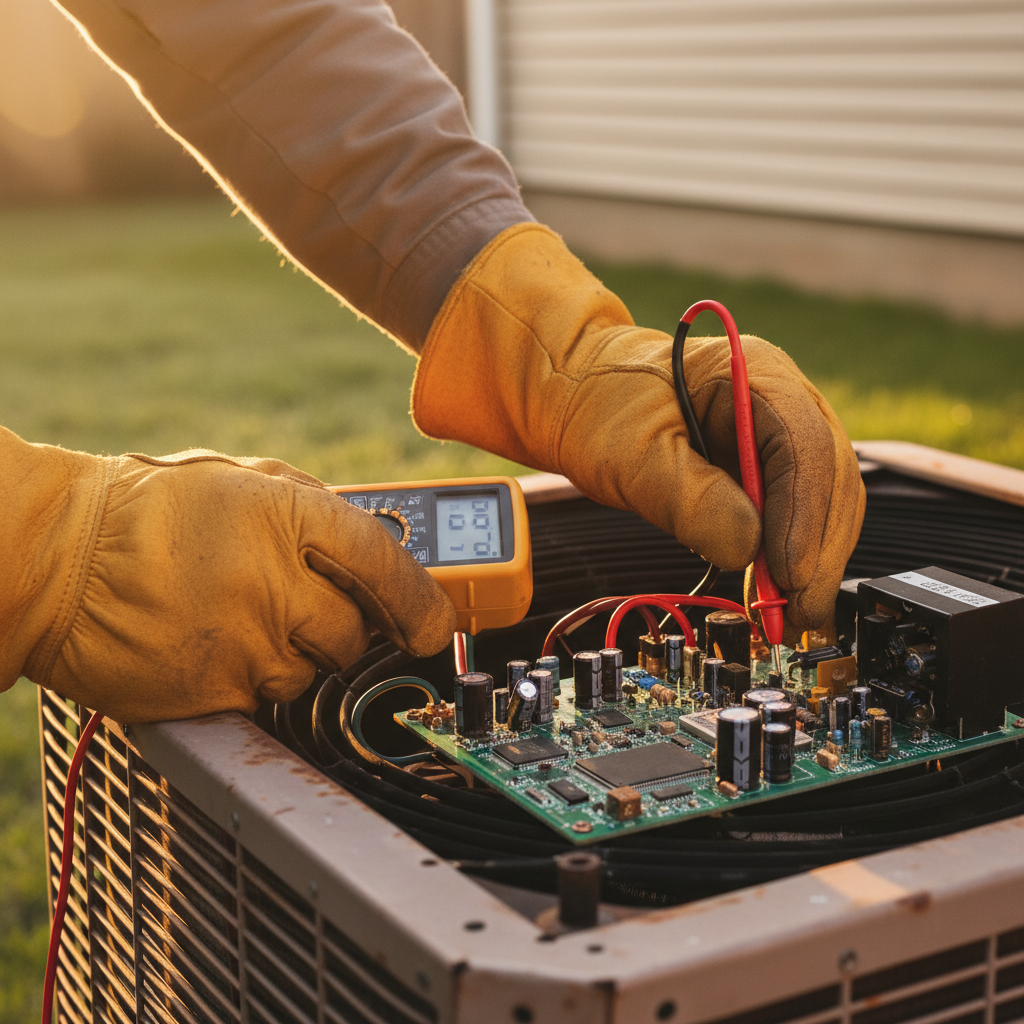
To meet the new federal standards, the industry is transitioning to a class of refrigerants known as A2Ls. Specifically, manufacturers are adopting R-32 and R-454B to replace the outgoing R-410A. The A2L designation indicates that these substances are non toxic but mildly flammable. While the term flammable may sound concerning, A2L refrigerants are incredibly difficult to ignite and have a very slow flame spread. To ensure total safety, new equipment using these gases comes equipped with integrated mitigation boards and leak sensors. If a leak is detected, the system automatically activates the blower fan to disperse the refrigerant, preventing it from reaching a concentration level that could pose a risk.
Refrigerant | GWP Rating | Classification | Primary Use Case |
|---|---|---|---|
R-410A | 2,088 | A1 (Non-flammable) | Current standard (phasing out) |
R-32 | 675 | A2L (Mildly flammable) | High efficiency cooling units |
R-454B | 466 | A2L (Mildly flammable) | Multi brand heat pumps and ACs |
The HVAC refrigerant change 2025 homeowners are seeing also brings a significant performance boost. Both R-32 and R-454B offer superior heat transfer properties compared to R-410A. In the high desert heat of Fillmore, where summer temperatures frequently spike, this improved efficiency helps systems maintain comfort without overworking the compressor.
Our technicians at Gobes HVAC have invested in modern diagnostic tools specifically designed for A2L systems. We undergo rigorous training on new safety protocols and system upgrades to ensure every installation meets strict building codes. By choosing reliable heating and air conditioning services from a team familiar with these specific technologies, you can ensure your home remains safe and energy efficient. If you have questions about how these new components work, feel free to contact our experienced team for a clear explanation.
Important Deadlines: The 2025 and 2026 Timeline for Utah Residents
The HVAC refrigerant change 2025 homeowners are navigating follows a strict federal schedule. While these dates affect the entire country, they have specific implications for how we manage inventory and planning for system upgrades right here in Fillmore. The transition is divided into two primary phases to allow the market and local contractors to adjust.
January 1, 2025: This marks the official manufacturing cutoff. As of this date, manufacturers can no longer produce new residential central air conditioners or heat pumps that utilize R-410A.
Throughout 2025: Local contractors are permitted to sell and install any remaining R-410A equipment that was manufactured before the January 1 deadline. This sell through period ensures that existing inventory does not go to waste.
January 1, 2026: This is the final deadline for all R-410A system installations. After this date, every new system installed must utilize the newer A2L refrigerants like R-32 or R-454B.
Fillmore residents do not need to panic if their current outdoor unit is performing well. There is no requirement to tear out a functional R-410A system simply because the industry is moving forward. These deadlines apply specifically to the manufacturing and installation of new equipment. We continue to provide reliable heating and air conditioning services for all older models, regardless of the refrigerant they use. If you are unsure whether your current unit will make it through the next season, you can contact our experienced team for a professional assessment of your system’s remaining lifespan and performance.
Will My Current AC Unit Become Obsolete?
The hard deadlines for manufacturing and installation often lead to the misconception that existing equipment must be scrapped. Your current R-410A unit is not becoming obsolete; it is simply becoming part of a previous generation of technology. You can continue to rely on your existing setup as long as it remains mechanically sound. We still provide reliable heating and air conditioning services for units that are several decades old, and the 2025 transition does not change our commitment to keeping your current system running.
However, the financial reality of maintaining an older unit will shift. As the industry pivots away from R-410A, the supply of that specific gas will decrease, which naturally drives up the price per pound for repairs involving the sealed system. If your air conditioner develops a significant leak several years from now, the cost of the refrigerant alone could represent a large portion of the repair bill. This is a primary factor in the HVAC refrigerant change 2025 homeowners should consider when planning their home maintenance budgets.
Feature | Existing R-410A System | New A2L System (R-32 / R-454B) |
|---|---|---|
Serviceability | Fully repairable while parts last | Full manufacturer support |
Refrigerant Cost | Likely to increase as supply drops | Stable and more affordable |
Energy Efficiency | Older SEER standards | Modern SEER2 high-efficiency |
Safety Tech | Standard pressure switches | Built-in leak sensors and fans |
When we perform system upgrades in Fillmore, we look at the total cost of ownership. A new A2L system provides a clean slate with a full manufacturer warranty and higher energy efficiency, which lowers monthly utility bills during our intense summer months. If you are facing a major repair on a unit approaching the ten year mark, the choice becomes a calculation of long term value. To help you navigate this, we provide accurate, data driven diagnoses. You can contact our experienced team to evaluate your current unit's health and receive an honest recommendation on whether a repair or a proactive replacement makes the most sense for your home.
Cost Implications and the $5000 Rule for HVAC
Navigating the financial side of a major repair involves more than just looking at a single invoice. We often recommend the $5000 rule to help determine if a repair is a sound investment or a sunk cost. To apply this logic, many experts multiply the age of the unit by the repair cost; if the total exceeds $5,000, replacement is the better option. Alternatively, if a repair costs more than half the price of a brand new system and the unit is over ten years old, investing in new equipment is generally more practical. This is especially relevant now, as the HVAC refrigerant change 2025 homeowners are encountering will inevitably drive up the price of legacy refrigerants like R-410A as they become more scarce.
Newer systems utilizing A2L refrigerants carry a slightly higher initial price tag. This increase reflects the specialized safety sensors, mitigation boards, and sophisticated controls required by modern building codes to handle mildly flammable refrigerants safely. However, these system upgrades are designed for peak energy efficiency. In Fillmore, where summer cooling demand is high, the reduction in monthly utility bills often offsets the higher equipment cost over the life of the unit.
To make the transition more affordable, Millard County families can take advantage of federal incentives. The Energy Efficient Home Improvement Credit, also known as the 25C tax credit, allows homeowners to claim up to $2,000 per year for qualifying heat pump installations. When combined with the long term savings of a high efficiency unit, these credits significantly lower the barrier to entry for modern technology. If you are weighing the costs of an upcoming repair, contact our experienced team for a detailed quote on reliable heating and air conditioning services to help you make an informed decision.
Expert Advice: Should You Buy an HVAC System Now or Wait Until 2025?
Determining the right time to replace your unit involves balancing immediate costs with long-term performance goals. If your air conditioner is currently making unusual noises, struggling to maintain setpoints, or requiring frequent refrigerant top-offs, acting now is often the most practical choice. Purchasing a system before the full HVAC refrigerant change 2025 homeowners are anticipating allows you to secure a unit using R-410A. These systems generally have a lower upfront cost; furthermore, the supply chain for R-410A components is well established, ensuring that reliable heating and air conditioning services will remain accessible for many years to come.
Conversely, if your system is stable but nearing its ten or twelve year mark, waiting for the 2025 or early 2026 inventory may be the better path. These newer A2L models represent the latest in climate control technology. While the initial investment may be slightly higher due to the integrated safety sensors and mitigation boards, the long-term energy savings from improved SEER2 ratings are substantial. In Fillmore, where we face extreme temperature swings, a high-efficiency system can significantly reduce utility bills during peak usage months.
Homeowner Situation | Recommendation | Key Advantage |
|---|---|---|
System is failing or unreliable | Replace now with R-410A | Lower initial cost; proven technology |
System is functional but old | Wait for 2025/2026 models | Maximum efficiency; long-term support |
Prioritizing environmental impact | Wait for A2L units | Lower GWP; modern safety features |
Reliability is the most important factor for Millard County residents. Avoiding a total system failure during a January freeze or a July heat spike is critical for home comfort and safety. We suggest planning system upgrades proactively to avoid the stress of an emergency replacement. To get a professional assessment of your current equipment, contact our experienced team. We provide honest, data-driven recommendations to help you choose the timing that best fits your budget and home comfort requirements.
The 2025 refrigerant transition represents a significant step toward greener home cooling, yet it naturally brings up questions about your current system and future investments. Staying informed is the best way to navigate these industry updates with confidence. If you want expert help understanding how these changes affect your specific home, we are here to guide you. You can learn more about our team and our commitment to providing clear, honest advice to Fillmore residents whenever you need assistance.