Completing furnace maintenance before winter involves replacing air filters every 30 to 90 days and clearing any debris from around the unit. Experts suggest scheduling a professional inspection once a year to ensure the system is operating safely and efficiently during the peak heating season.
As the crisp autumn air begins to settle over Fillmore, the reality of a harsh Millard County winter is never far behind. There is nothing more frustrating, or potentially dangerous, than hearing your furnace struggle to ignite on the first sub-zero night of the season. Neglecting your heating system during the milder months often leads to emergency repairs and inflated utility bills when you can least afford them. Taking a proactive approach to maintenance ensures your home remains a sanctuary against the Utah snow while protecting your long-term investment. In this guide, we will walk you through a practical DIY checklist, explain how to safeguard your outdoor components from heavy debris, and detail what a comprehensive professional tune-up involves. You will also discover how simple preparations today will maximize your energy efficiency and system reliability throughout the entire 2026 heating season.
Why Furnace Maintenance Before Winter is Critical in Millard County
Living in the shadow of the Pahvant Range means residents of Fillmore enjoy beautiful seasons, but winter in Millard County is unforgiving. As a high-altitude mountain-desert environment, our region often sees temperatures plummet well below freezing once the sun sets over the Great Basin. When a January cold snap hits, your heating system is more than a convenience; it is a critical line of defense against frozen pipes and unsafe indoor temperatures.
Many homeowners ask if annual service is strictly necessary if the unit seems to be running fine. The reality is that skipping furnace maintenance before winter invites avoidable risks. Without a professional eyes-on inspection, minor wear and tear can escalate into a total system failure at the worst possible time. Furthermore, an unmaintained furnace operates less efficiently, leading to significantly higher utility bills throughout the season.
Beyond the financial impact, there are serious safety concerns. Dust accumulation and mechanical strain can degrade indoor air quality, while a cracked heat exchanger poses a risk of carbon monoxide leaks. Relying on reliable heating and cooling services ensures that these technical issues are caught early. A proactive approach helps extend the lifespan of your equipment and provides peace of mind when the Utah winds begin to howl. Before the ground freezes, contact Gobes HVAC for a tune-up to ensure your home remains a warm refuge regardless of the temperature outside.
The Homeowner DIY Checklist: Easy Fall Tasks
While professional intervention is necessary for mechanical integrity, homeowners can take several steps to support their heating system. These tasks do not require specialized tools, but they significantly impact how hard your equipment has to work during a Millard County cold snap. Consistent attention to these details can prevent the system from straining under the load of a sudden temperature drop.
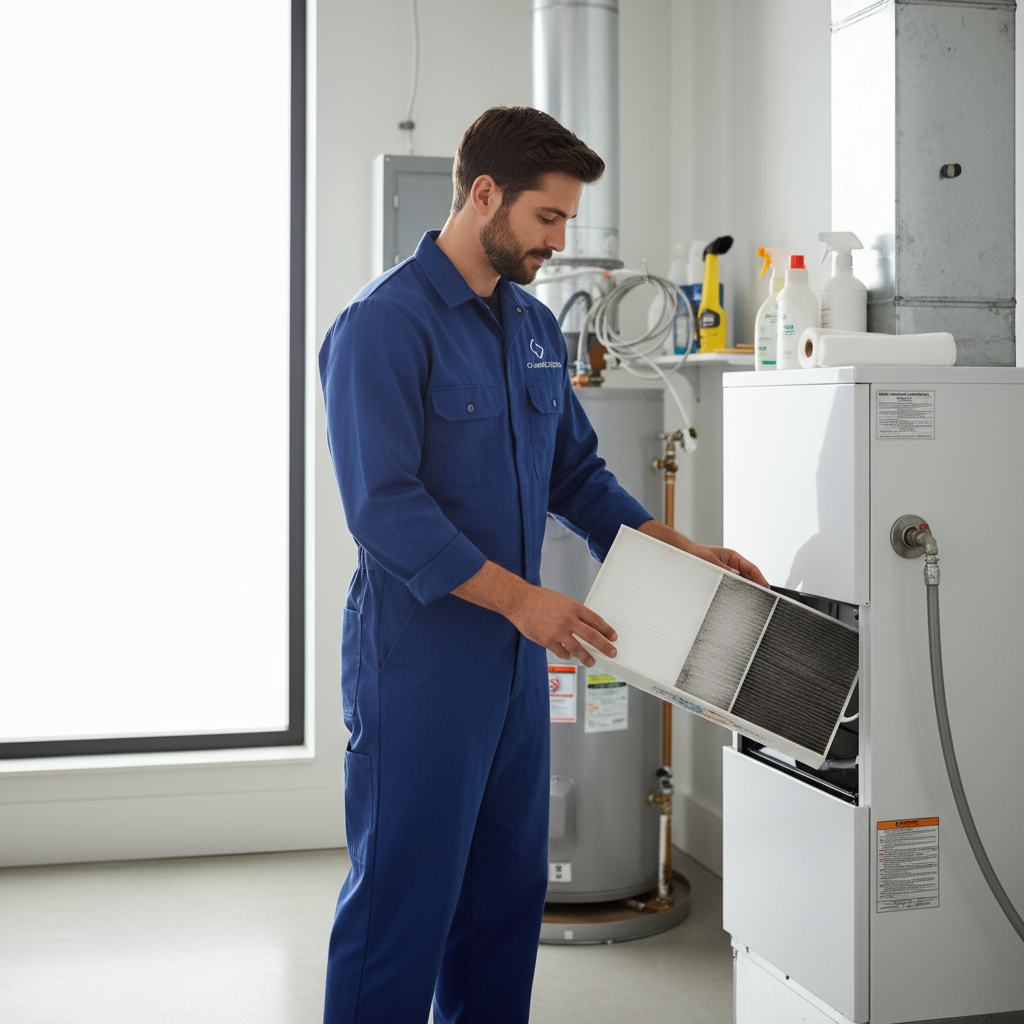
Air Filter Replacement: This is the single most effective way to prevent premature wear. In our high-desert environment, dust and particulates accumulate quickly. Follow the 30 to 90 day rule; check the filter every month and replace it if you cannot see light through the mesh fibers. A clogged filter restricts airflow, forcing the blower motor to work harder and increasing your monthly energy costs.
Clear the Vents: Walk through every room in your house to inspect the supply registers and return air grilles. Over the summer months, furniture, heavy curtains, or new area rugs may have been positioned over these openings. Blocking even one or two vents disrupts the system’s pressure balance, which can lead to overheating or uneven heating throughout the home.
Carbon Monoxide Detectors: Because your furnace uses combustion to generate heat, safety monitors are non-negotiable. Test these devices monthly by pressing the test button. Replace the batteries every autumn, even if the unit is not chirping. If your detectors are more than five to seven years old, they likely need a full replacement to remain reliable.
Thermostat Calibration: Do not wait for the first frost in Fillmore to see if your heat works. Switch your thermostat to heat mode and set the temperature a few degrees above the current room temperature. Listen for the furnace to engage and feel for warm air at the vents. If the system fails to start or cycles off too quickly, you still have time to contact Gobes HVAC for a tune-up before the seasonal rush begins. Performing these steps as part of your furnace maintenance before winter ensures that when the temperature drops, your system is prepared to respond effectively.
Outdoor Unit Care: Preparing for Utah Snow and Debris
While the primary furnace components sit indoors, many Fillmore properties utilize heat pumps or hybrid systems that rely on an outdoor condenser unit. Maintaining these units is a vital part of furnace maintenance before winter. In the high-desert environment of Millard County, windblown debris like sagebrush, dried leaves, and silt can accumulate quickly against the delicate fins of the unit.
For optimal performance, ensure all vegetation is cleared to a distance of 18 to 24 inches from every side of the cabinet. This clearance allows for proper airflow and prevents moisture-heavy plant matter from causing premature rust. As the seasons shift toward heavy snowfall, residents must be mindful of snow accumulation. Never wrap an outdoor unit in plastic or airtight covers, as this traps moisture and creates a corrosive environment that can damage electrical components. Instead, clear away heavy snow loads manually after significant storms to ensure the system can breathe. If you notice significant ice buildup on the coils during a freeze, it often indicates a defrost cycle failure or a refrigerant issue, which requires reliable heating and cooling services to diagnose properly. Keeping the outdoor area tidy ensures the internal components do not overwork during the coldest months of the year.
What a Professional Furnace Tune Up Includes
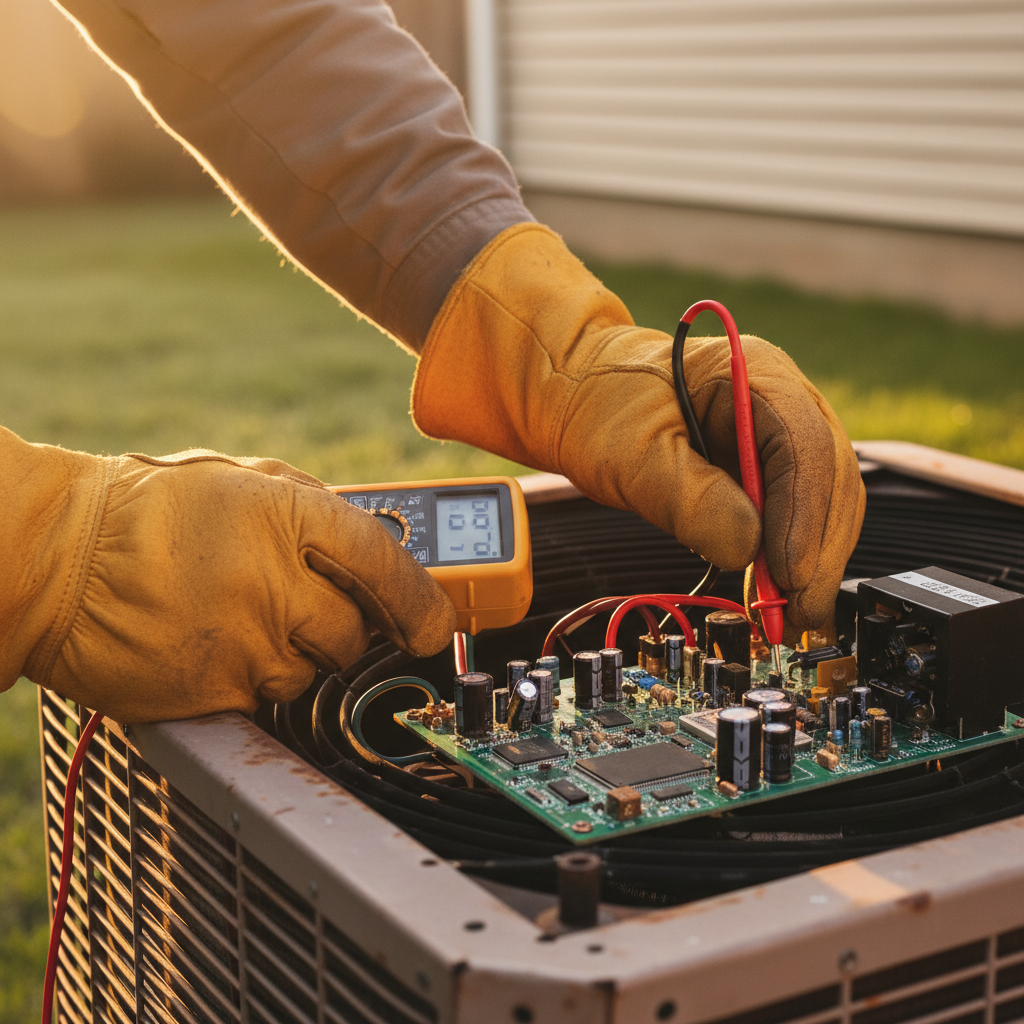
While homeowners can handle filters and vent clearing, a comprehensive furnace tune up requires specialized tools and technical diagnostic skills. A professional technician from Gobes HVAC performs a deep dive into the mechanical and electrical health of your system, addressing components that are inaccessible or dangerous for an untrained individual to handle. This technical intervention ensures the unit operates safely under the heavy loads required by the Utah winter.
During a scheduled visit, we utilize modern diagnostic tools, such as a digital multimeter, to test all electrical connections. We check for proper voltage and amperage on the blower motor and inducer motor; this prevents electrical shorts and identifies components that are nearing the end of their functional life before they cause a total system shutdown. We also meticulously clean the burner assembly. Over time, Millard County dust and carbon buildup can clog the ports, leading to inefficient combustion, delayed ignition, and uneven heating.
Safety is the primary driver behind professional reliable heating and cooling services. We perform a rigorous inspection of the heat exchanger to look for hairline cracks or signs of corrosion. Even a microscopic breach in this component can allow carbon monoxide to enter your home air stream. Furthermore, we verify gas pressure at the manifold using a manometer. Incorrect pressure can cause the furnace to run too hot, damaging internal parts, or too cool, which causes condensation that leads to premature rust and heat exchanger failure.
Investing between $75 and $200 for a professional service call ensures your equipment is calibrated to factory specifications. This technical precision is what differentiates a simple check-up from a professional performance restoration. If you want to ensure your system is safe and efficient before the first major snowstorm, you should contact Gobes HVAC for a tune-up to secure your home comfort for the months ahead.
Is a Professional Furnace Tune Up Worth the Cost?
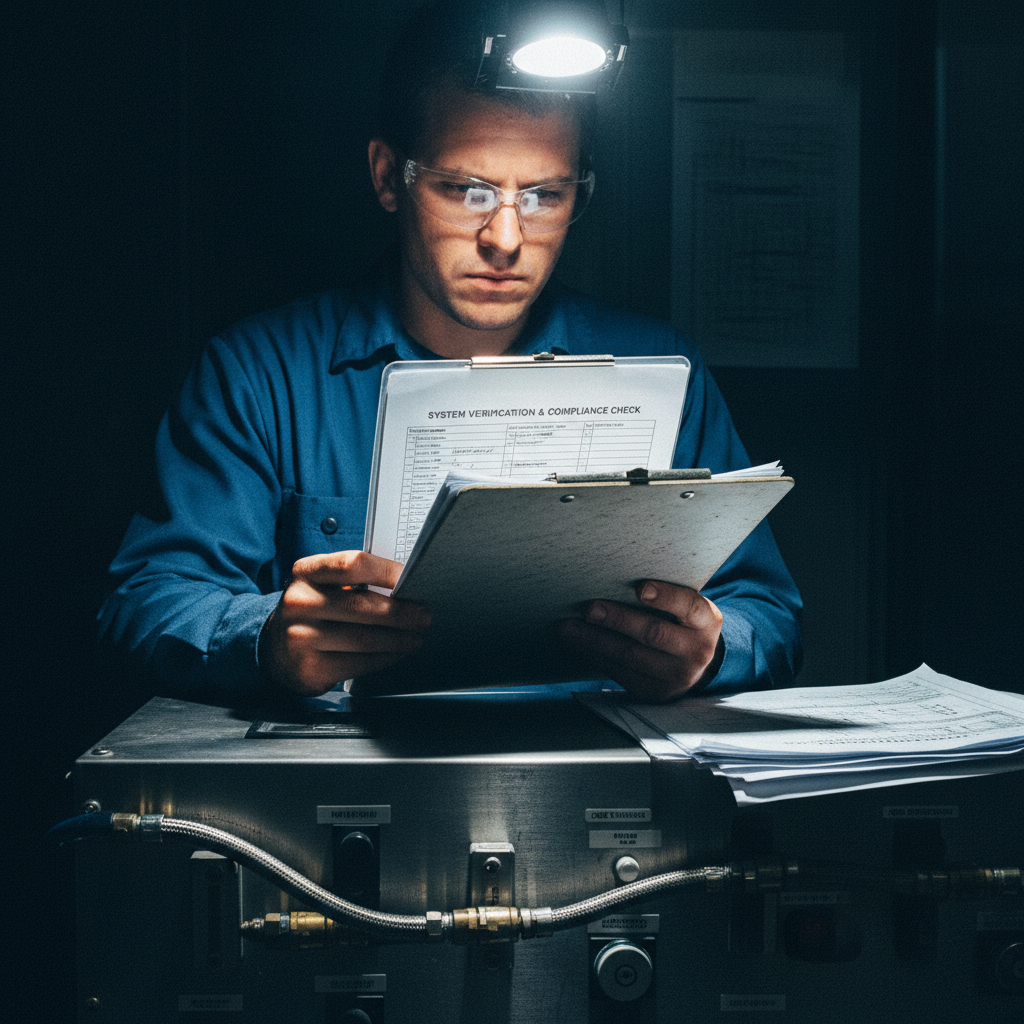
Deciding if a professional service call fits into your seasonal budget requires looking at the long-term math. Many homeowners in Fillmore wonder if the expense is truly necessary for a unit that appears to be running. However, industry data indicates that consistent maintenance can reduce the risk of expensive breakdowns by as much as 95%. In a region where a heater failure can lead to frozen plumbing and uninhabitable indoor temperatures, that high probability of reliability is a significant asset.
A professional visit usually costs between $75 and $200, a modest investment when compared to the alternatives. Emergency repair calls on weekends or holidays often incur premium labor rates, and the cost of replacing a prematurely worn blower motor or cracked heat exchanger far exceeds the price of a tune up. If a system is neglected to the point of total failure, a full installation can cost several thousand dollars.
For local property owners looking to maximize their investment, utilizing reliable heating and cooling services often includes the option for recurring maintenance plans. These programs provide a structured approach to care, often resulting in lower repair costs over the life of the equipment. Letting a professional handle your furnace maintenance before winter ensures your budget remains predictable and your home remains safe. If you want to avoid the financial sting of an unexpected mid winter failure, you should contact Gobes HVAC for a tune-up before the first heavy frost.
Energy Efficiency and System Reliability for the 2026 Season
Looking ahead to the 2026 season, the focus for Millard County property owners is shifting toward long term operational reliability and strict energy standards. Modern HVAC systems are engineered to tighter tolerances than ever before, which means even a thin layer of dust on the blower wheel or a slight misalignment in the burner can cause a disproportionate drop in performance. By prioritizing furnace maintenance before winter, you ensure these high performance components are not operating under unnecessary stress that could lead to a premature failure by mid decade.
Efficiency is the most direct way to control your winter utility budget. In Fillmore, where heating demands remain high from November through March, a furnace that uses fuel effectively is a financial necessity. When a system is clean and properly calibrated, it achieves the highest possible Annual Fuel Utilization Efficiency (AFUE) rating. This means more of the gas you pay for is converted into heat for your living space rather than being wasted through the flue. A furnace that is even slightly out of tune can consume significantly more fuel to reach the same thermostat setting, leading to hundreds of dollars in preventable costs over a single season.
Gobes HVAC utilizes modern diagnostic tools to verify these metrics with precision. We use digital combustion analyzers to measure the oxygen and carbon dioxide levels in your exhaust, ensuring the fuel to air ratio is optimized for peak efficiency. This data driven approach allows us to detect subtle changes in system health that traditional methods might miss. Maintaining this level of technical accuracy is essential for extending the equipment lifespan well into the late 2020s. To prepare your system for the demands of the coming years, contact Gobes HVAC for a tune-up and secure the reliable heating and cooling services your home requires.
Taking these simple steps now ensures your Fillmore home stays warm and safe throughout the coming winter months. While basic maintenance can often be handled on your own, a professional inspection provides peace of mind that every component is operating at peak efficiency. If you want expert help to guarantee your system is fully prepared, you can learn more about our team and our commitment to your comfort. We are here to make sure your furnace runs reliably all season long.