You can learn how to lower heating bill costs by lowering your thermostat to 68 degrees and sealing air leaks with caulk or weatherstripping. Regular HVAC maintenance, such as changing filters and scheduling professional tune-ups, ensures peak efficiency during the winter months. Additional savings come from setting water heater temperatures to 120 degrees and using programmable thermostats to manage energy use.
Watching your utility bill climb as the temperature drops in Fillmore is a frustration every homeowner knows too well. When the high desert wind howls across Millard County, your furnace works overtime to maintain a steady indoor climate; this often results in a significant financial burden by mid winter. At Gobes HVAC, we believe that maintaining a warm home should not require a sacrifice of your monthly budget or the long term health of your heating equipment. This guide provides professional insights into reducing your energy consumption without compromising on comfort. You will learn how to master your thermostat settings, the importance of rigorous seasonal maintenance, and how to address heat loss through your home’s envelope. We also explore specialized techniques like managing indoor humidity and optimizing your water heater to ensure your home remains an efficient sanctuary all season long.
Understanding the Cost of Winter Comfort in Fillmore
Residents in Millard County understand that Fillmore winters bring a unique brand of cold. Our high desert environment means temperatures often drop well below freezing, while persistent winds off the Pahvant Range can pull heat right out of a home. These local conditions force your furnace or heat pump to work significantly harder, leading to longer run cycles and increased mechanical wear. When your system fights against the wind chill and the thin desert air, energy consumption can climb rapidly if the system is not optimized.
Finding the best way how to lower heating bill expenses during these months isn't about sacrifice; it is about efficiency and strategy. You should not have to choose between a warm home and a reasonable budget. The goal is to reduce energy consumption through mechanical precision and thermal retention, ensuring you stay warm without overpaying. By focusing on how your system interacts with the local climate, you can implement solutions that protect your equipment and your wallet. This guide explores practical methods, from professional HVAC maintenance to smart thermostat settings, to help you achieve lasting winter comfort.
Master Your Thermostat for Maximum Savings
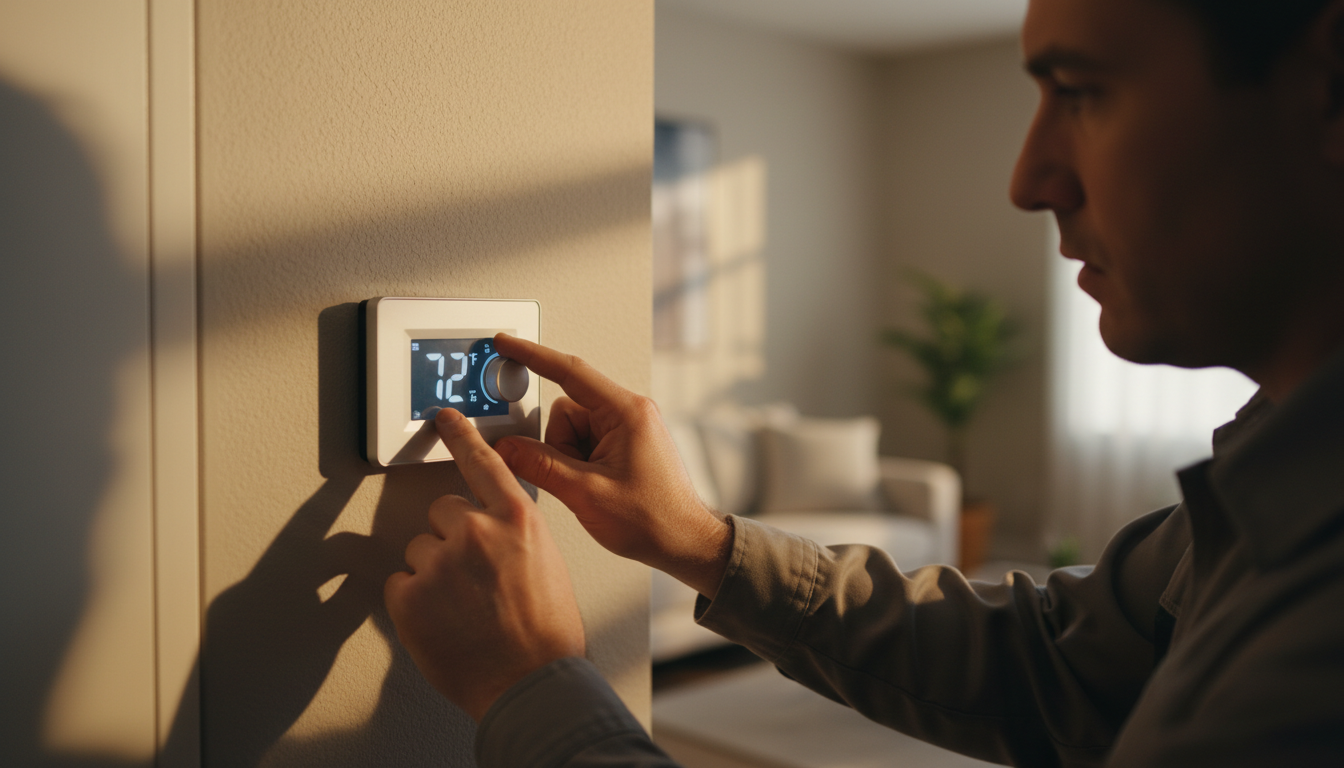
Managing your home's temperature begins with understanding the 68 degree rule. The Department of Energy recommends this setting as the ideal balance between physical comfort and fiscal responsibility. The math behind this strategy is straightforward; you can save approximately 1% on your heating bill for every degree you lower the thermostat during an eight hour period. By dropping the temperature 7 to 10 degrees from its normal setting for eight hours a day, such as while you are at work or asleep, you can see a total annual savings of nearly 10%.
A frequent question I encounter is whether 72 degrees is a good winter temperature. While 72 degrees provides undeniable comfort, it is an expensive baseline for a high desert climate. Maintaining a constant 72 degrees requires your furnace to cycle more frequently, especially when outdoor temperatures plummet at night. Every degree you push above 68 increases your energy consumption significantly, making 72 a comfortable but costly choice.
I recommend setting your thermostat to 68 degrees when you are awake and active. During the night or when the house is empty, aim for a setback between 58 and 61 degrees. A smart thermostat is particularly valuable for Fillmore residents because our local weather often sees 40 degree temperature swings in a single day. These devices automatically adjust to these fluctuations, ensuring your furnace isn't fighting against the midday sun. However, even the most advanced thermostat cannot compensate for mechanical inefficiency. To ensure your controls are communicating accurately with your system, regular HVAC maintenance is essential to verify sensor calibration and overall performance.
The Critical Role of HVAC Maintenance and Filter Changes
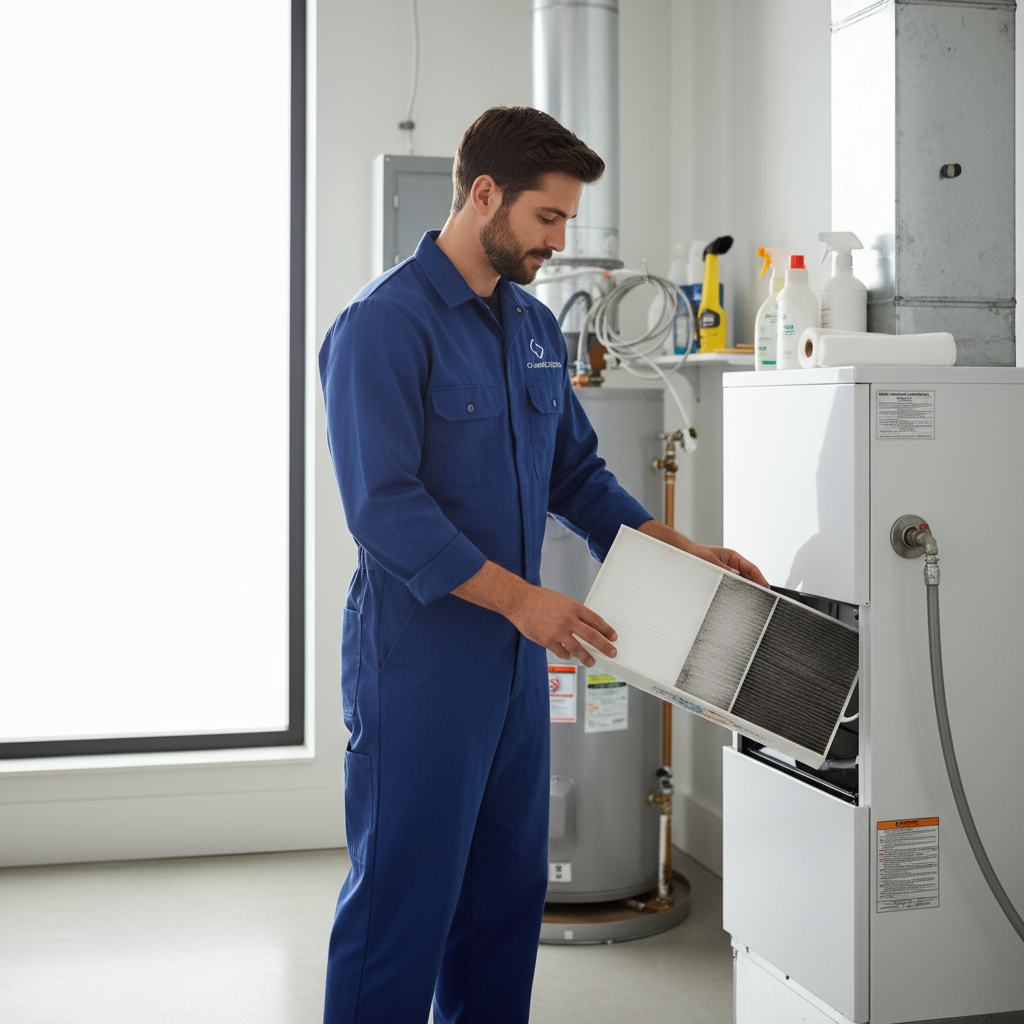
Mechanical efficiency is the foundation of any strategy for how to lower heating bill expenses. The simplest yet most overlooked component of this is the air filter. When a filter becomes clogged with dust, pet dander, or desert particulates, it creates physical resistance. This restriction forces your furnace’s blower motor to work significantly harder to pull air through the system. A strained motor consumes more electricity and leads to longer heating cycles because the system cannot move enough warmed air to satisfy the thermostat quickly. Regularly replacing filters, typically every 30 to 90 days depending on your household occupancy, keeps airflow unobstructed and energy costs down.
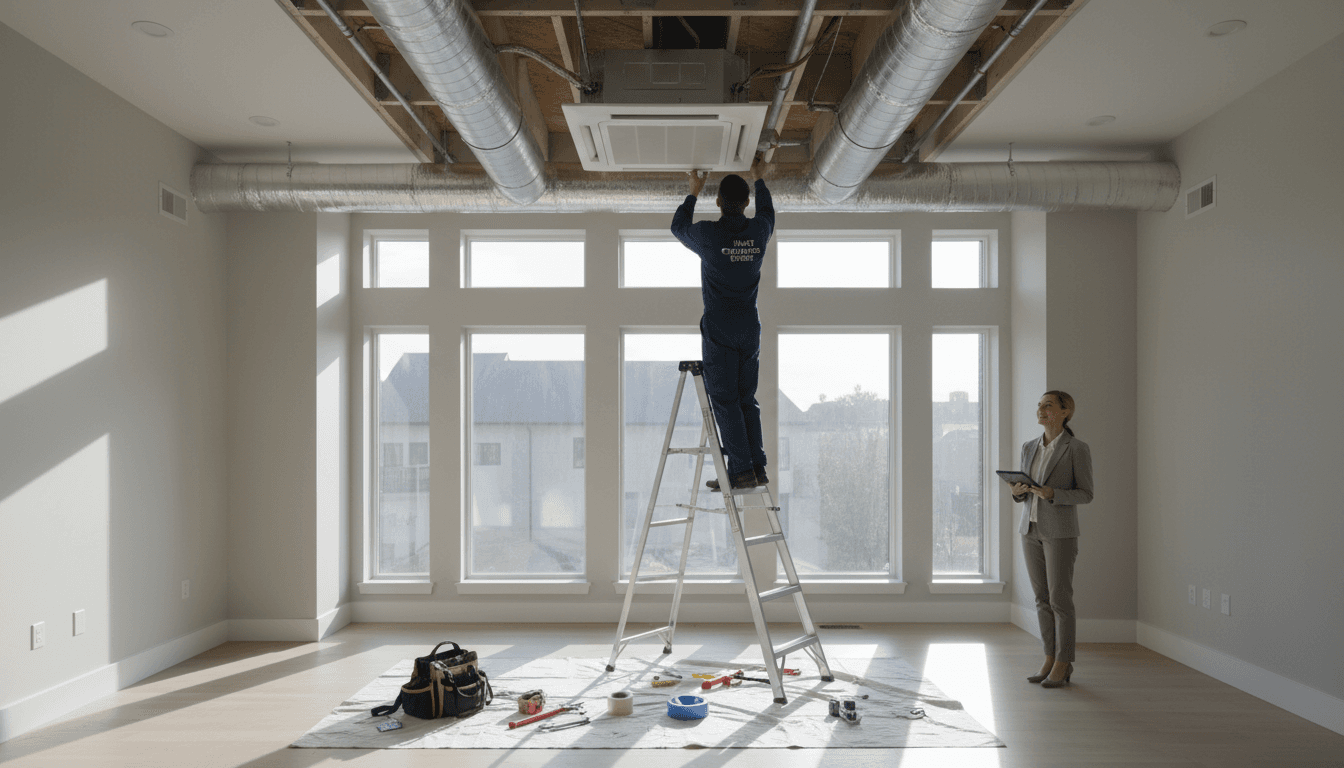
While a filter change is a vital task for a homeowner, it does not replace the need for an annual professional tune up. A comprehensive HVAC maintenance visit goes far beyond surface level cleaning. Our team focuses on internal components that impact both safety and fuel consumption. This includes cleaning the burners to ensure proper combustion and calibrating the burner assembly for peak efficiency. We also meticulously inspect the heat exchanger for hairline cracks or corrosion, which could compromise both system safety and thermal transfer performance.
Addressing these mechanical details ensures that every therm of natural gas or kilowatt of electricity translates directly into heat for your home rather than being wasted through poor combustion or mechanical friction. This proactive approach does more than just lower monthly costs; it prevents the minor wear and tear that often leads to mid-winter breakdowns. By extending the operational lifespan of your equipment through professional oversight, you protect your long term investment while maintaining a reliable environment for your family.
Stopping Heat Loss: Sealing the Envelope of Your Home
While mechanical precision keeps your furnace running efficiently, its work is undermined if the heat it produces immediately escapes. The building envelope, which is the physical barrier between your conditioned living space and the harsh Fillmore elements, is often the biggest source of heat loss. When warm air escapes through small gaps, your system must run longer to compensate, directly impacting how to lower heating bill results. Research shows that properly sealing these leaks can reduce your heating and cooling costs by up to 20%.
Air sealing should focus on areas where different building materials meet. In many older Fillmore residences, significant drafts originate in crawlspaces and along uninsulated rim joists, the area where the home's foundation meets the wood framing. We recommend applying silicone based caulk to gaps in window frames and installing high quality weatherstripping on all exterior door perimeters. These simple barriers prevent the persistent Utah wind from forcing its way into your living areas.
It is equally important to address the stack effect, where warm air rises and escapes into the attic. Use expanding spray foam or fire rated caulk to seal penetrations where plumbing stacks, recessed lights, or electrical wires pass through the ceiling joists. Beyond the visible walls, leaky air ducts hidden in unconditioned spaces can also be a major culprit, dumping expensive heat into your attic or crawlspace before it ever reaches your vents. By tightening the home's envelope, you ensure the heat you pay for stays where it belongs, allowing your HVAC system to cycle off sooner and stay off longer.
The Humidity Hack for Utah High Desert Winters
Tightly sealing your home preserves the air you have already heated, but the physical quality of that air determines how warm you actually feel. In the high desert climate of Millard County, winter air is notoriously dry. This lack of moisture accelerates the evaporation of moisture from your skin, which creates a natural cooling effect even when the furnace is running. Consequently, 68 degrees in a dry house often feels like 64 degrees, tempting many homeowners to nudge the thermostat up to 72 just to stop shivering.
Integrating a whole-home humidifier into your system allows you to maintain an indoor humidity level between 30 and 50 percent. Water vapor holds heat better than dry air and slows down that evaporative cooling on your body. By making the air feel warmer, you can stick to lower thermostat settings without sacrificing comfort. This shift reduces the overall load on your furnace, leading to fewer cycles and providing a clear path for how to lower heating bill totals throughout the season. Proper moisture control ensures your HVAC maintenance efforts aren't wasted by a system fighting against the physics of dry desert air.
Optimize Your Water Heater and Windows
Managing household energy use extends beyond the furnace itself. Your water heater typically accounts for a significant portion of your monthly utility costs. Following data from AARP research, you should lower your water heater setting to 120 degrees. Many units are pre-set at 140 degrees, which consumes excessive energy and creates a scalding risk. By making this small adjustment, you maintain sufficient heat for household tasks while discovering another practical method for how to lower heating bill expenses.
Windows represent another critical area where lifestyle habits impact efficiency. Glass is a poor insulator, and the cold nights in Millard County can quickly pull warmth from your living room. Installing heavy curtains or thermal drapes provides an additional layer of insulation. Close these drapes as soon as the sun sets to trap heat inside. Conversely, take advantage of the clear, sunny afternoons common in Fillmore by opening south-facing curtains. This allows passive solar energy to naturally warm your home, reducing the frequency of furnace cycles. Integrating these low-cost habits alongside professional HVAC maintenance ensures your home remains resilient against the winter chill without relying solely on mechanical power.
Evaluating Long Term Efficiency: When to Upgrade
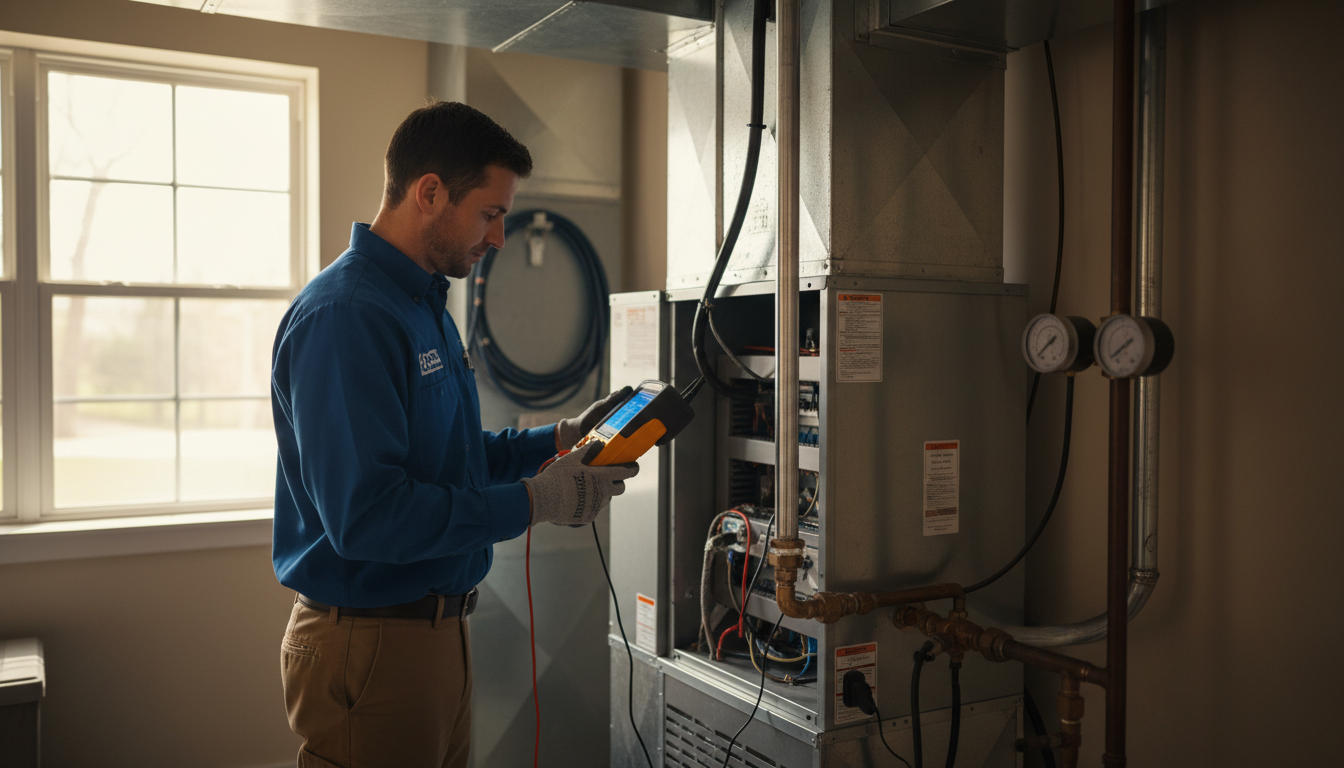
Small behavioral changes and routine upkeep are essential, but they cannot overcome the inherent limitations of aging equipment. When your furnace requires frequent repairs or fails to maintain consistent temperatures despite regular HVAC maintenance, it is time to evaluate its operational efficiency. Most older units in Fillmore operate with an AFUE rating of 80% or less, meaning 20 cents of every dollar spent on fuel is lost through the exhaust. In contrast, modern high-efficiency systems can achieve ratings as high as 98%, providing a definitive answer to how to lower heating bill expenses for the next two decades.
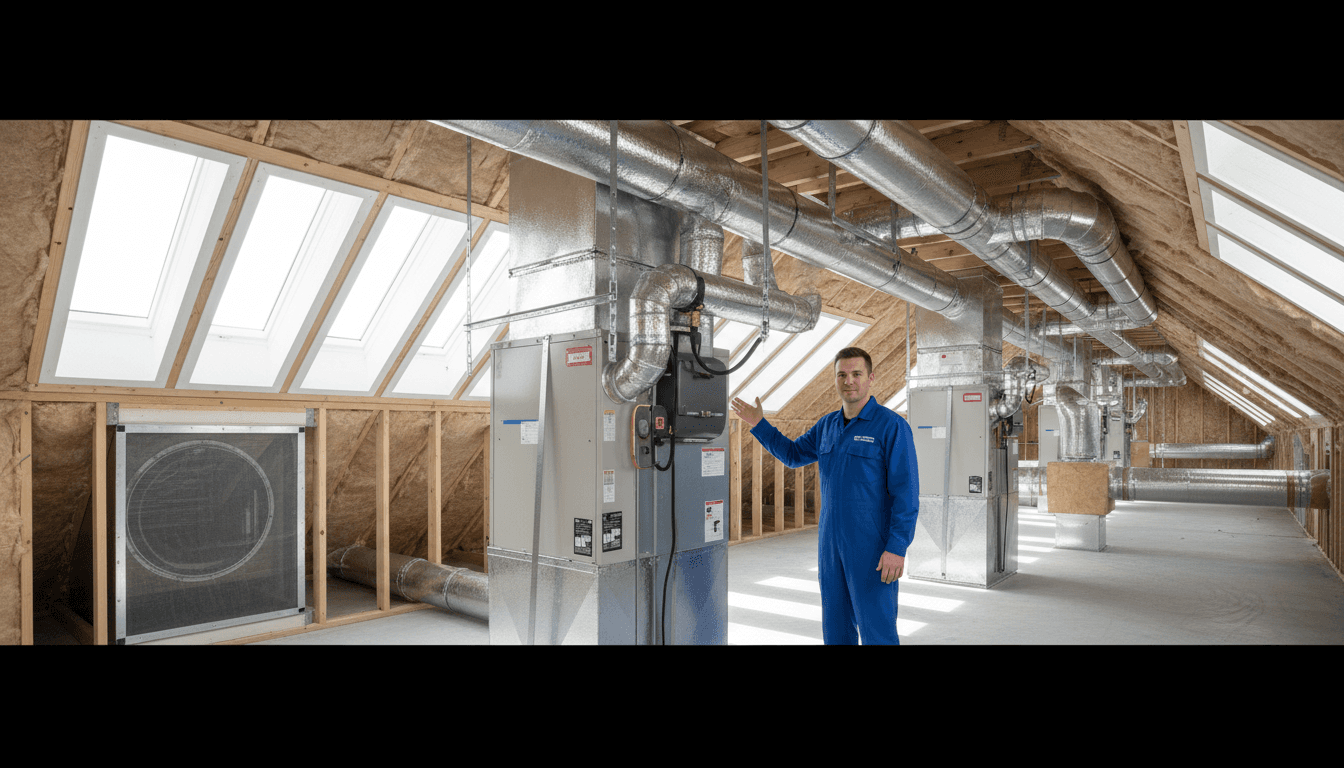
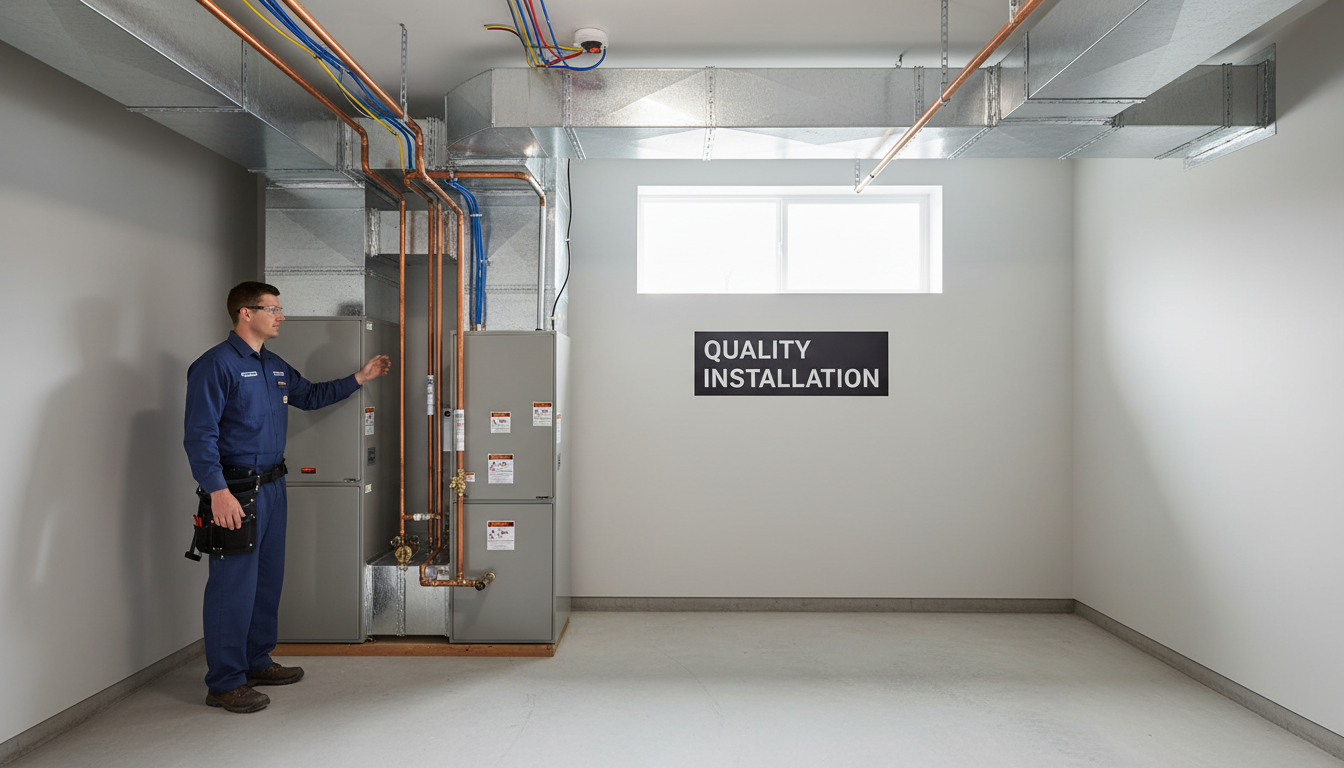
Upgrading your system involves more than just selecting a high-rated unit; the quality of the installation determines if those efficiency numbers are actually met. A system that is not correctly sized for your home or is paired with incompatible ductwork will cycle poorly and waste energy. For residents looking to modernize, the 2026 Utah HVAC rebates provide a significant financial opportunity to reduce the upfront cost of these energy-efficient upgrades. By combining professional installation with these incentives, you ensure your equipment operates at its peak rated capacity, securing long term reliability and lower monthly utility costs for your household.